OVERVIEW
The Nature Conservancy hired Conservation Media to help tell the story of how habitat restoration work in the sagebrush steppe of western Montana and eastern Idaho is providing some marketable wood to local small businesses. It’s a win-win story for wildlife, watersheds, and communities.
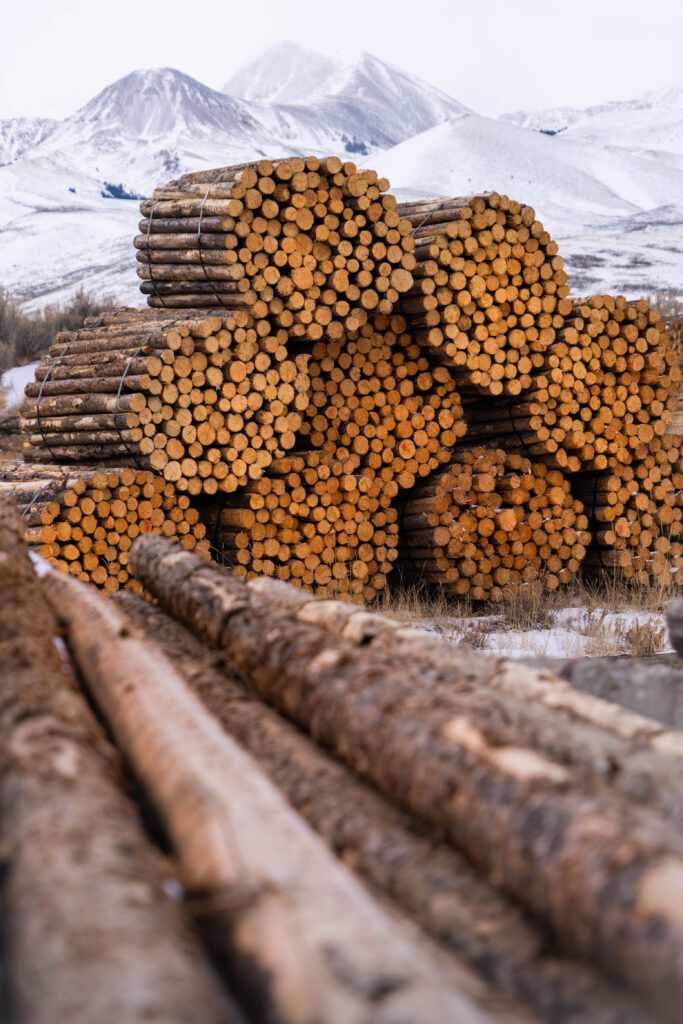
Fire suppression has allowed small conifers to invade sagebrush steppe habitats, leading to steep declines in sage-grouse populations, reduced water flows, loss of lush mesic habitats, and increased risk of high-severity fire. In addition, this invasion of tres reduces the amount of native grasses that both wildlife and ranchers depend on. Removing these small, scrappy trees reverses the problems for everyone, but it’s hard, tedious work. The scraps are typically scattered, burned, or converted to bio-char to keep the carbon contained. Some trees, however, are just barely usable for posts, poles, or house logs. While large corporate mills won’t take them, local community members will. It’s a revenue stream into local communities provided by habitat restoration work.
SHORT FILM
Below is the short film Conservation Media produced for The Nature Conservancy.
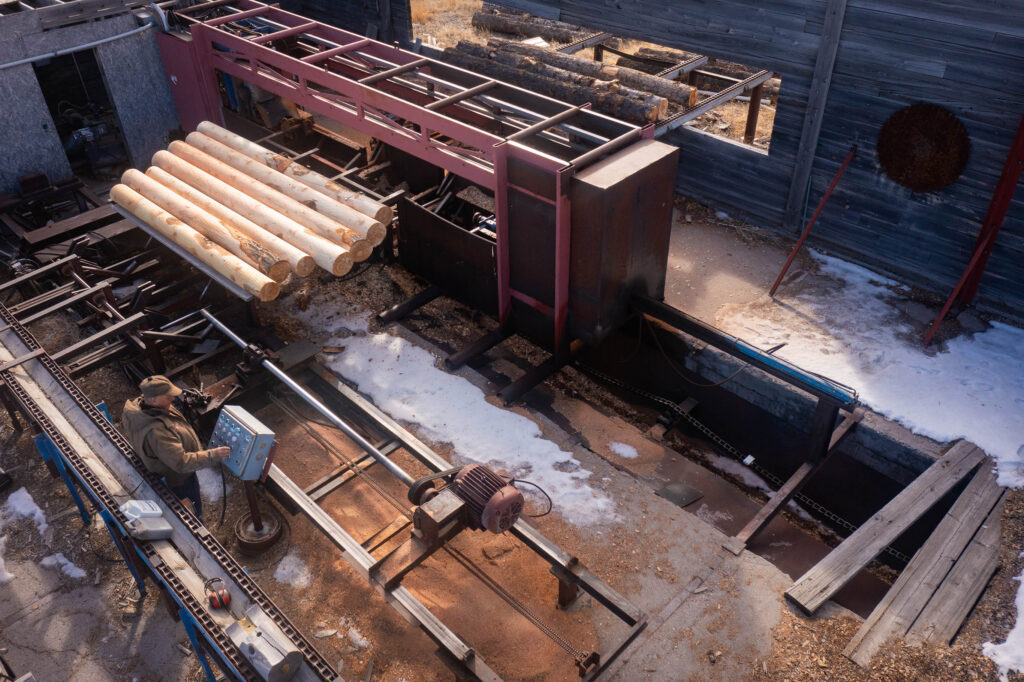
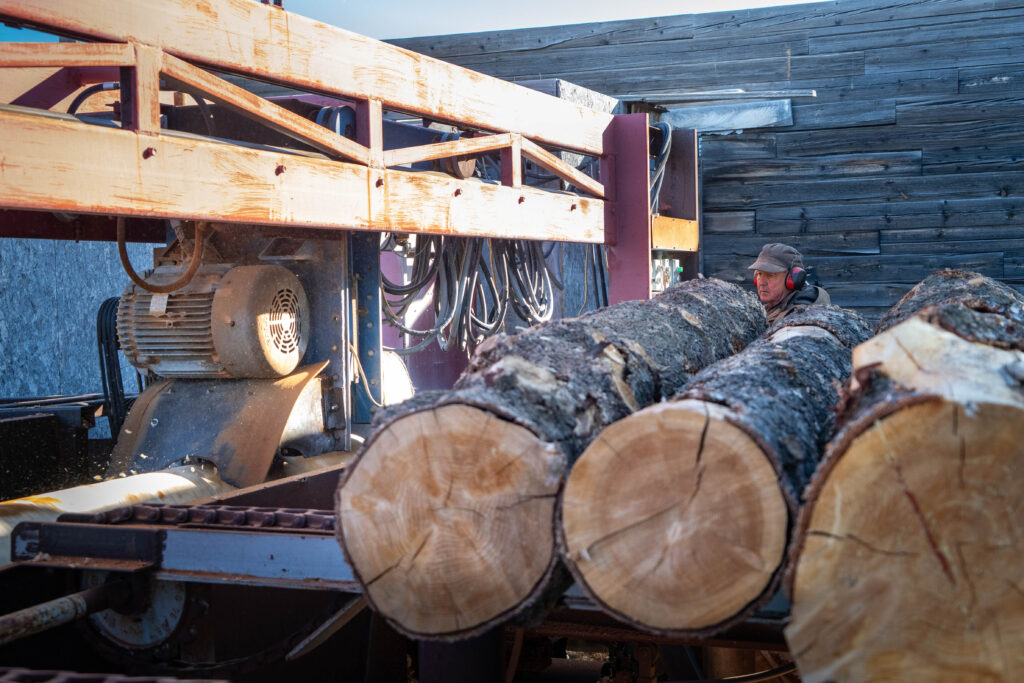
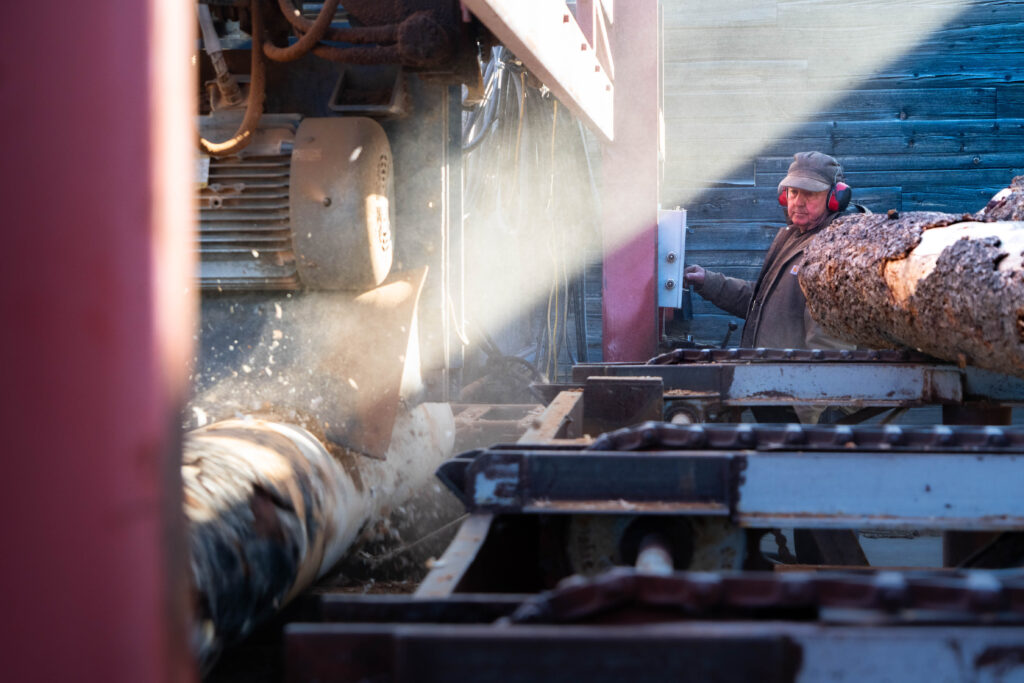
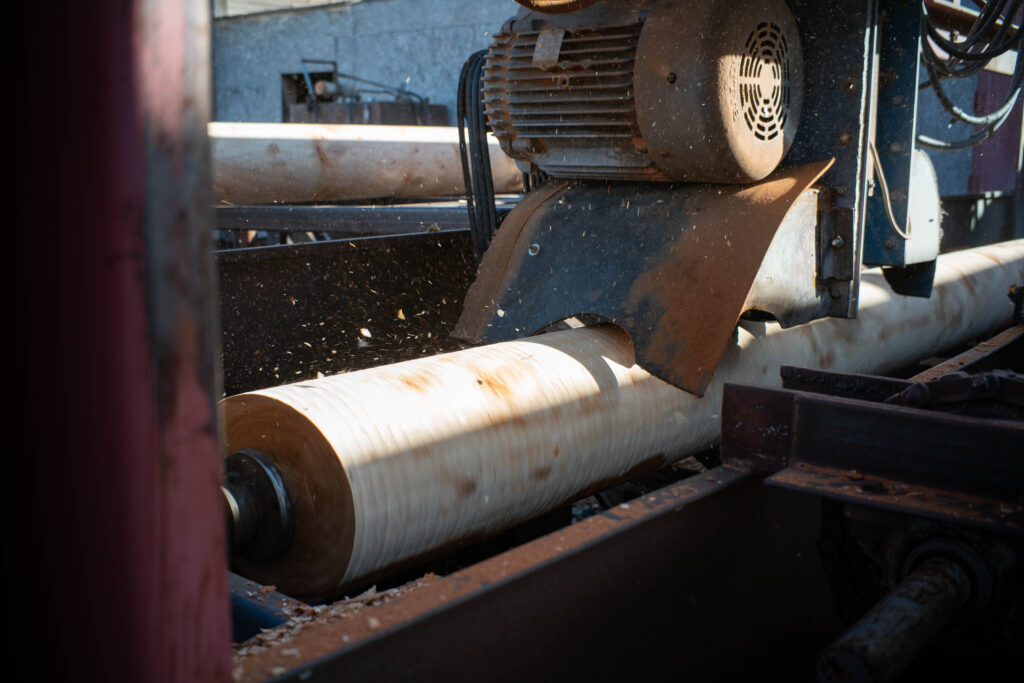
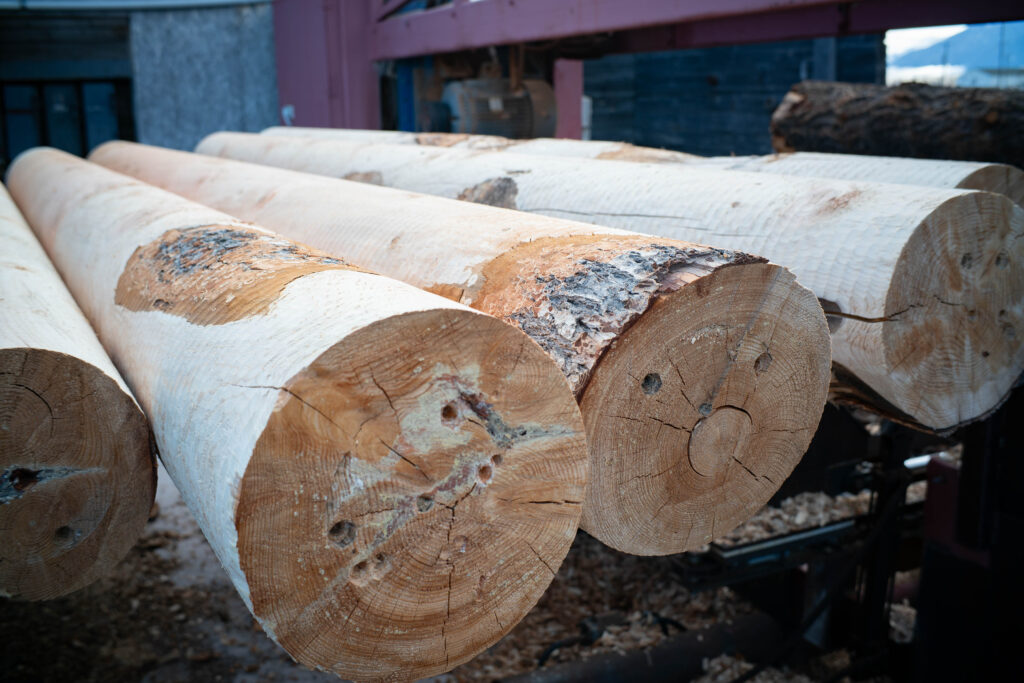
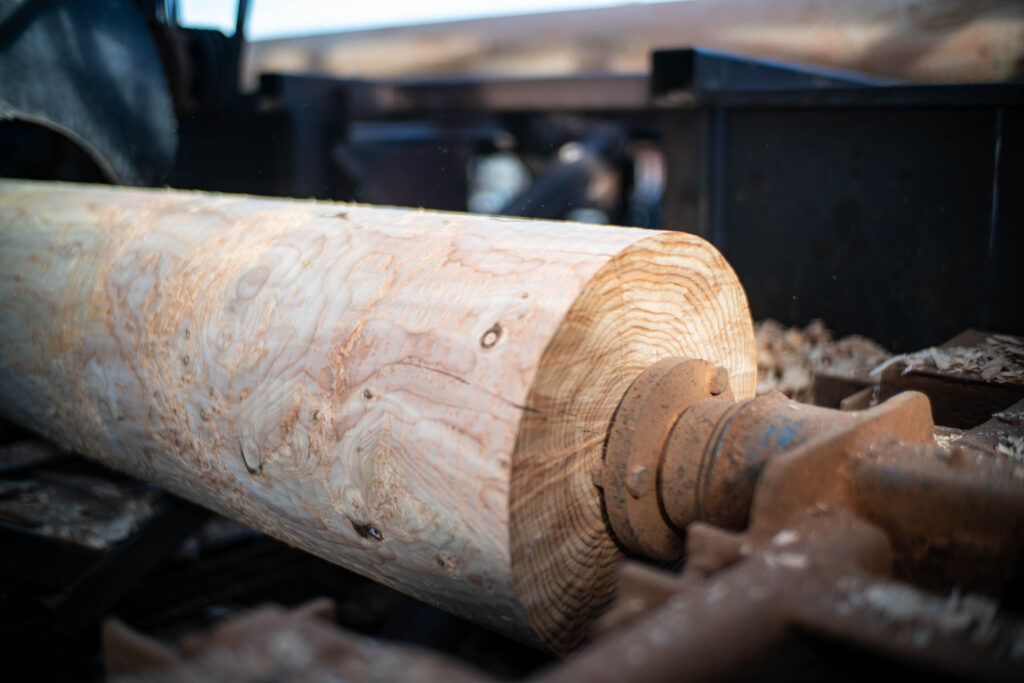
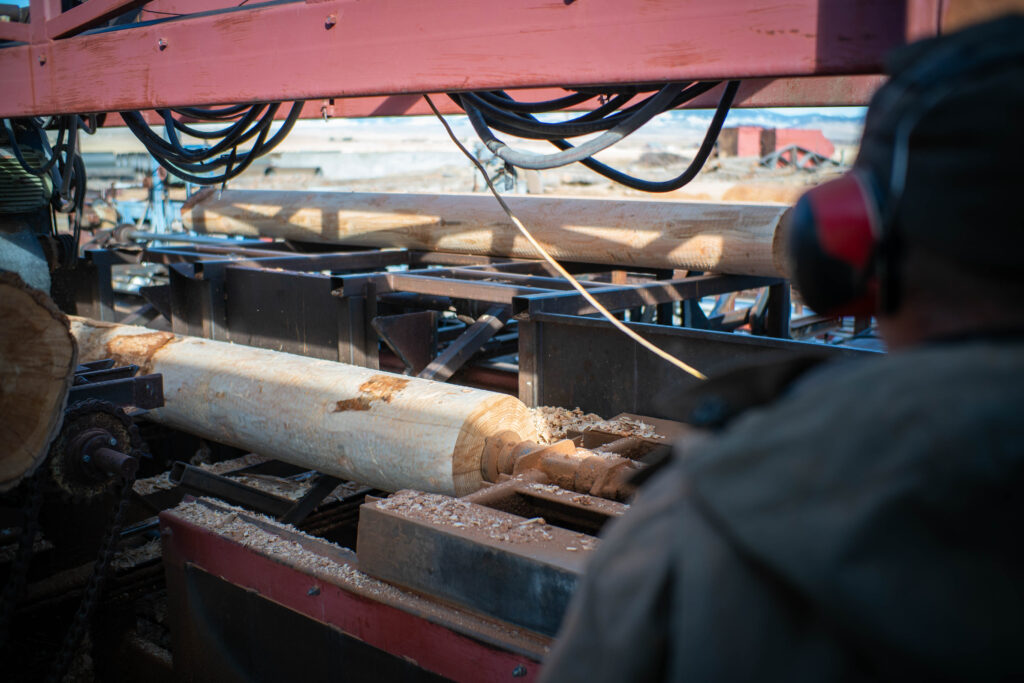
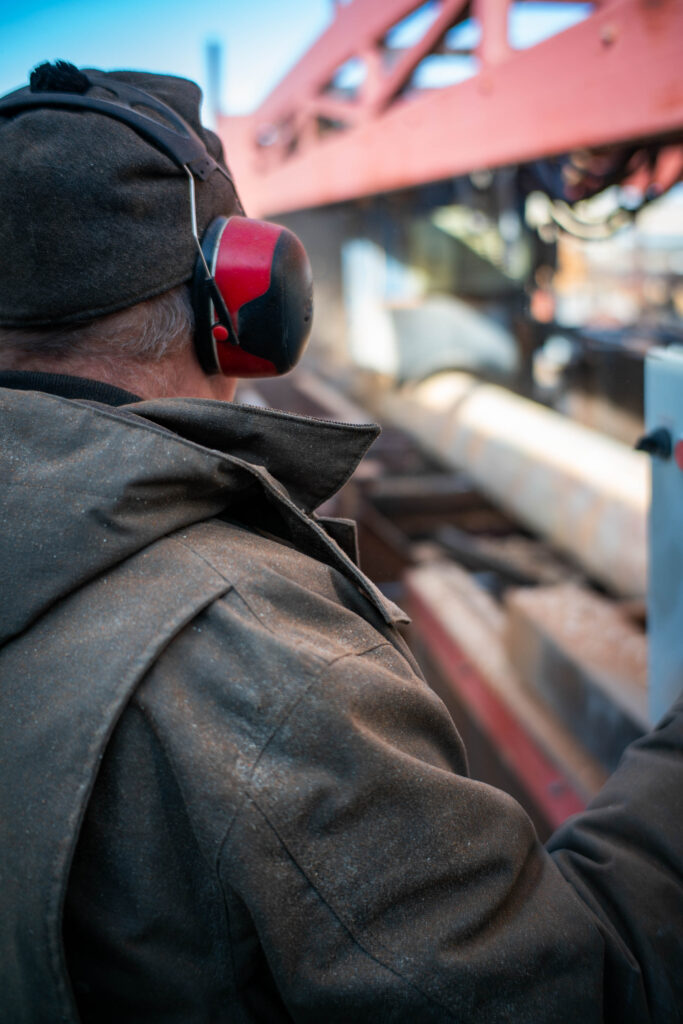
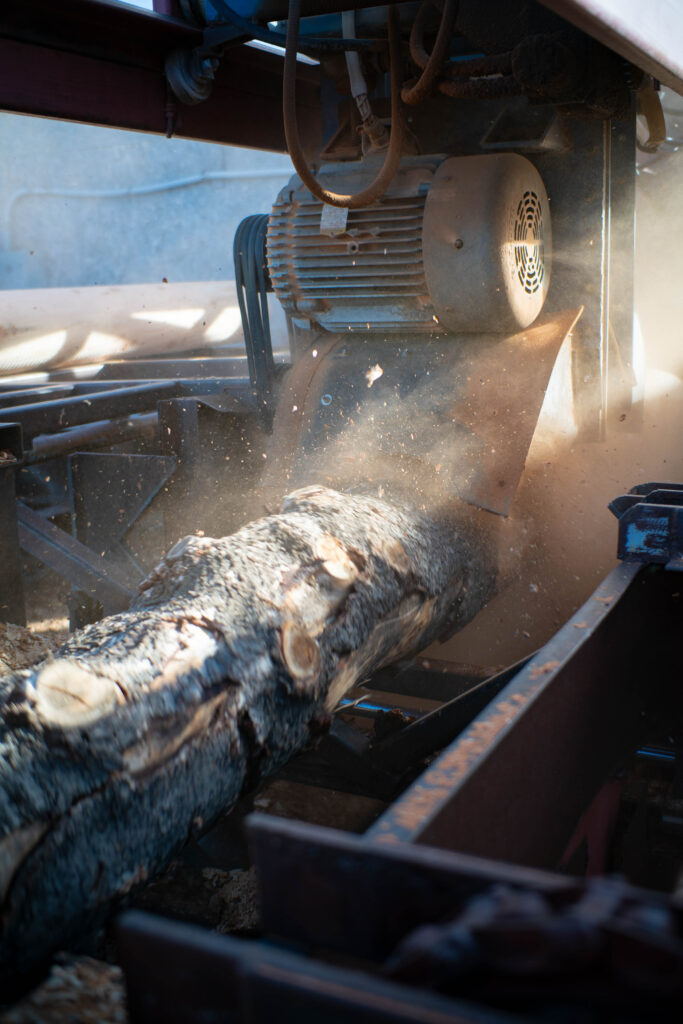
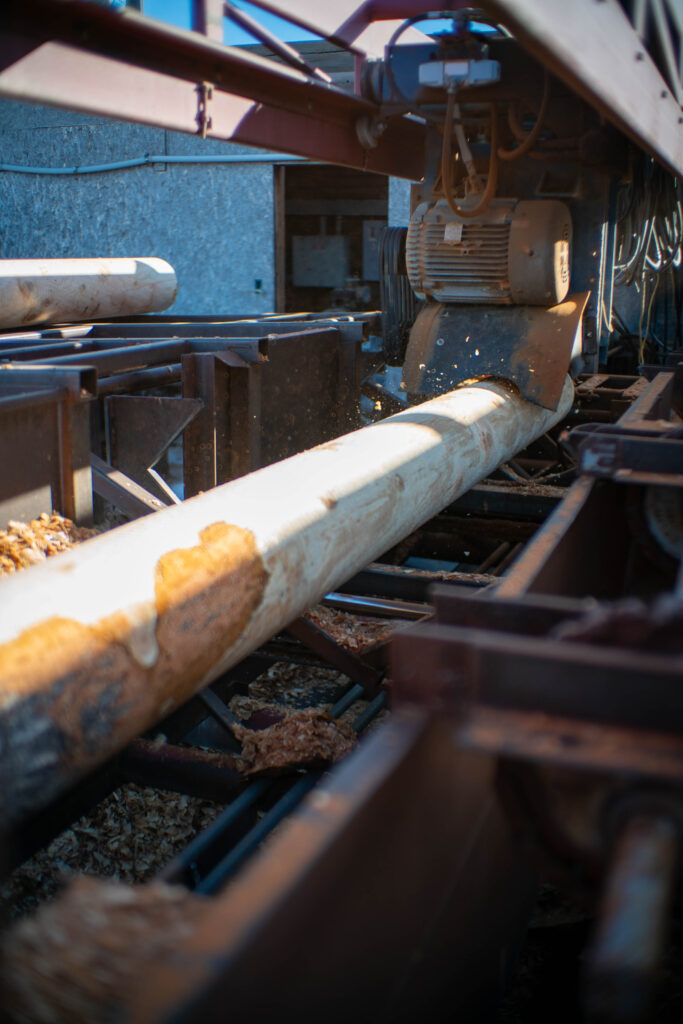
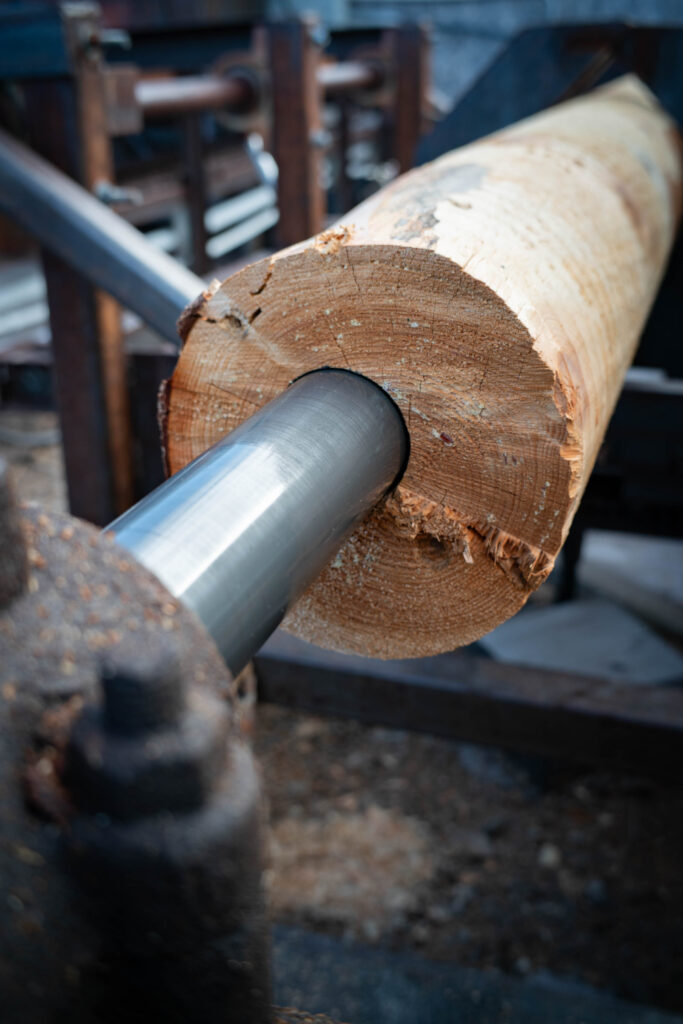
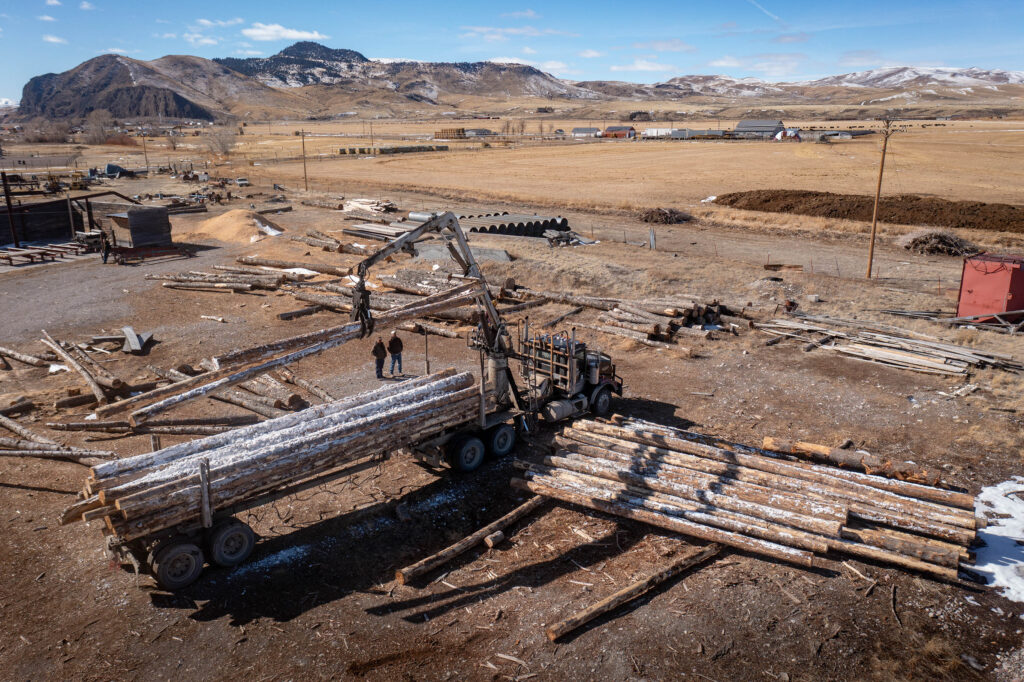
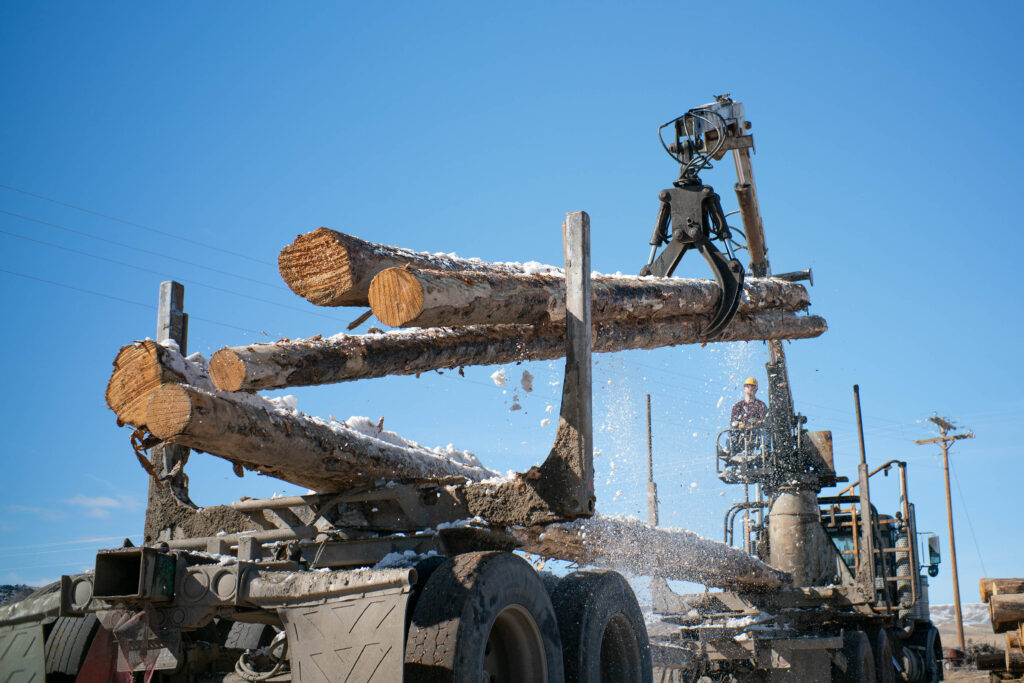
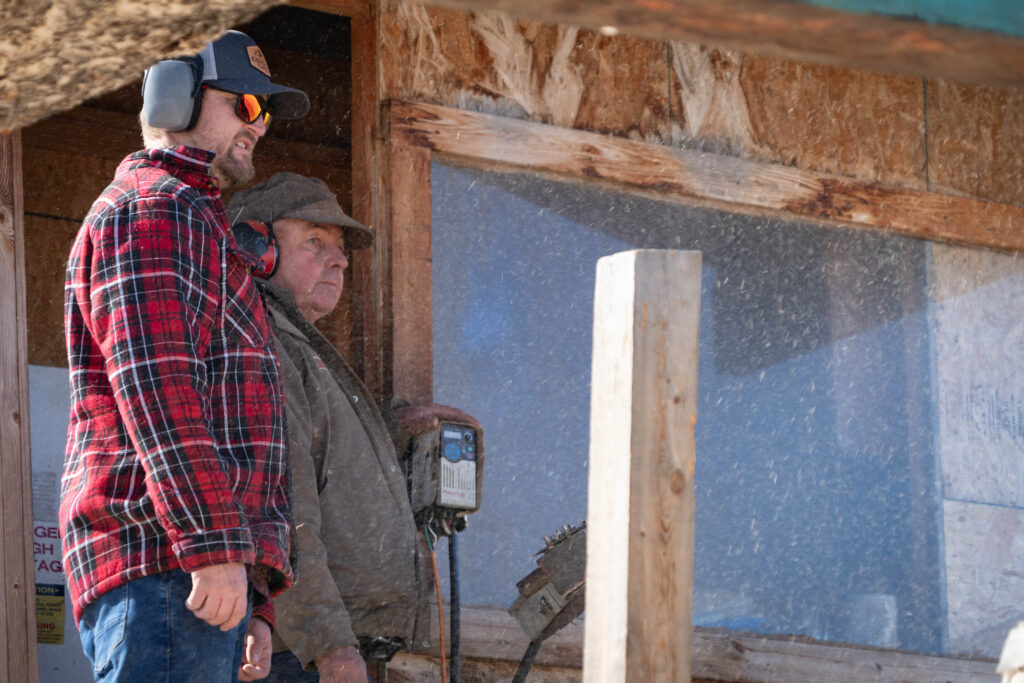
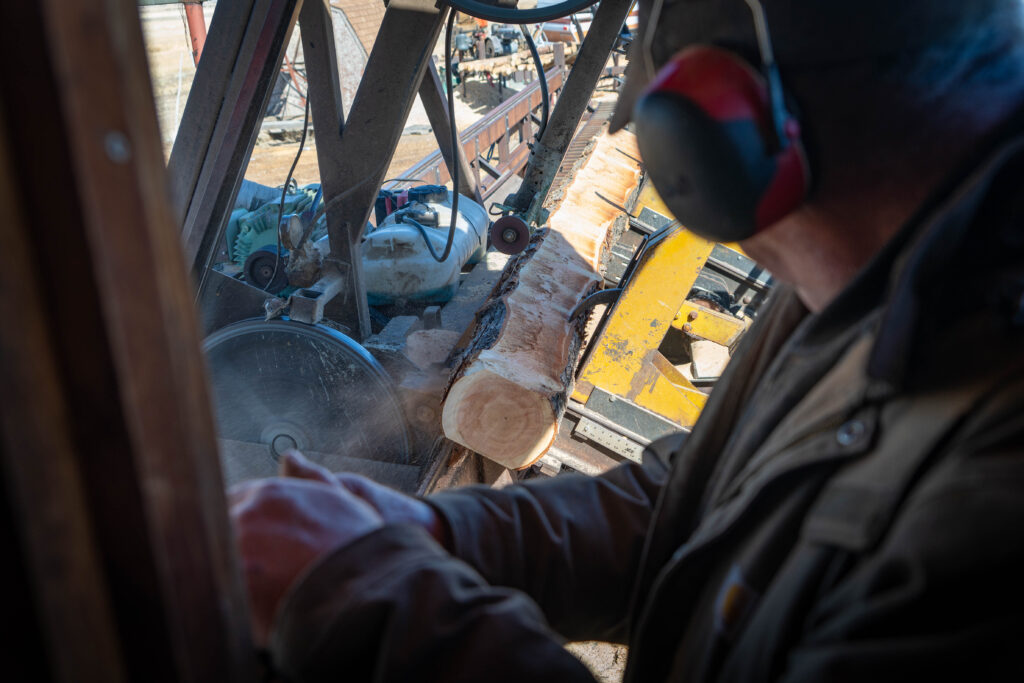
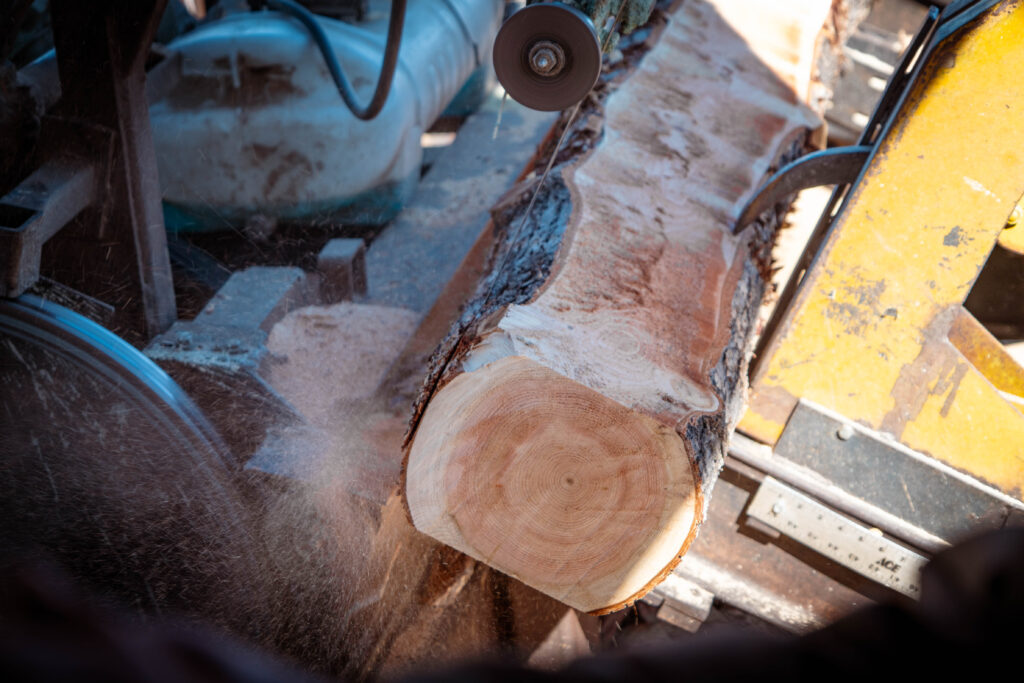
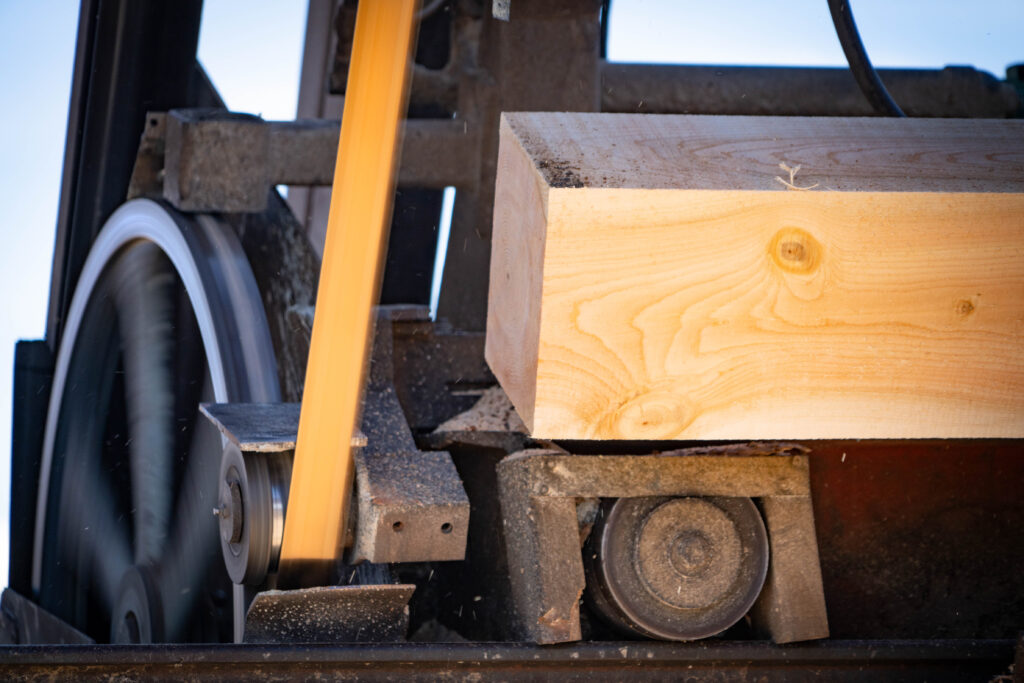
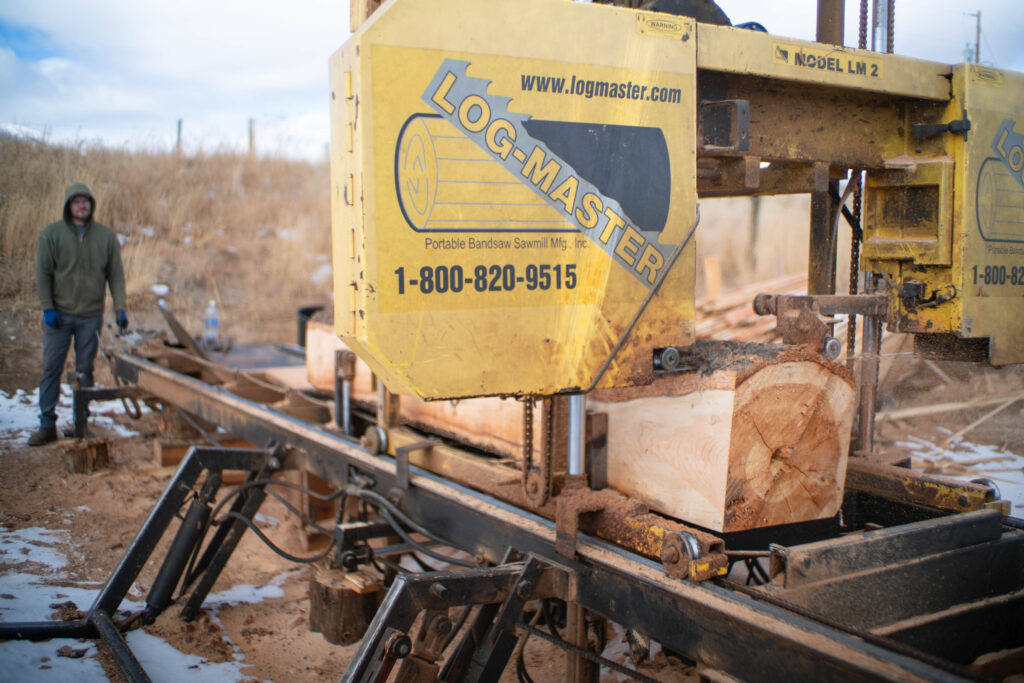
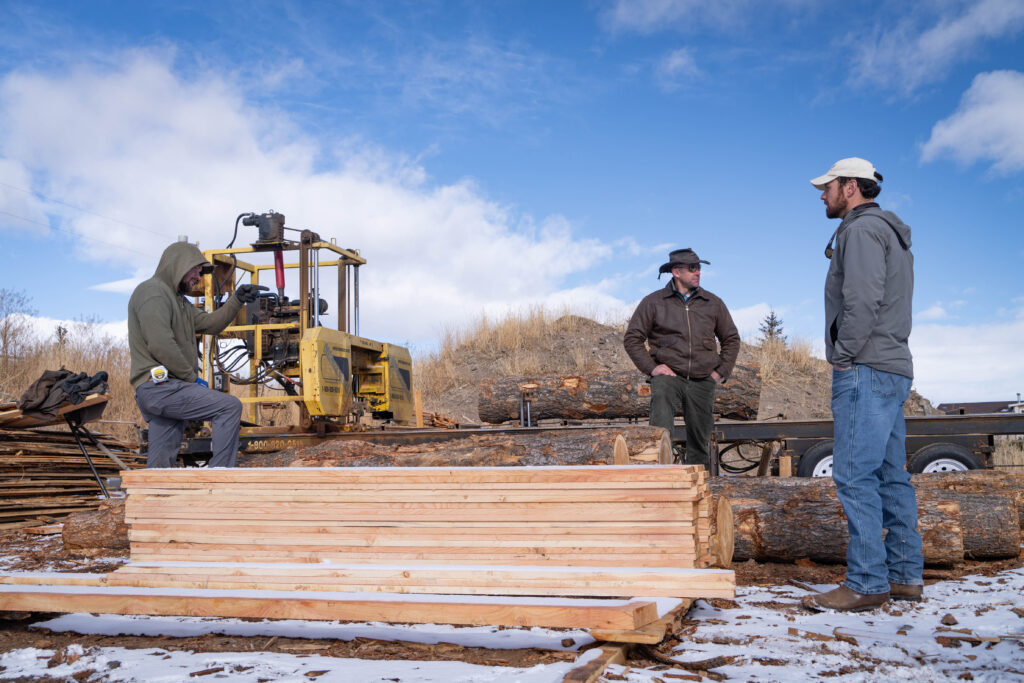
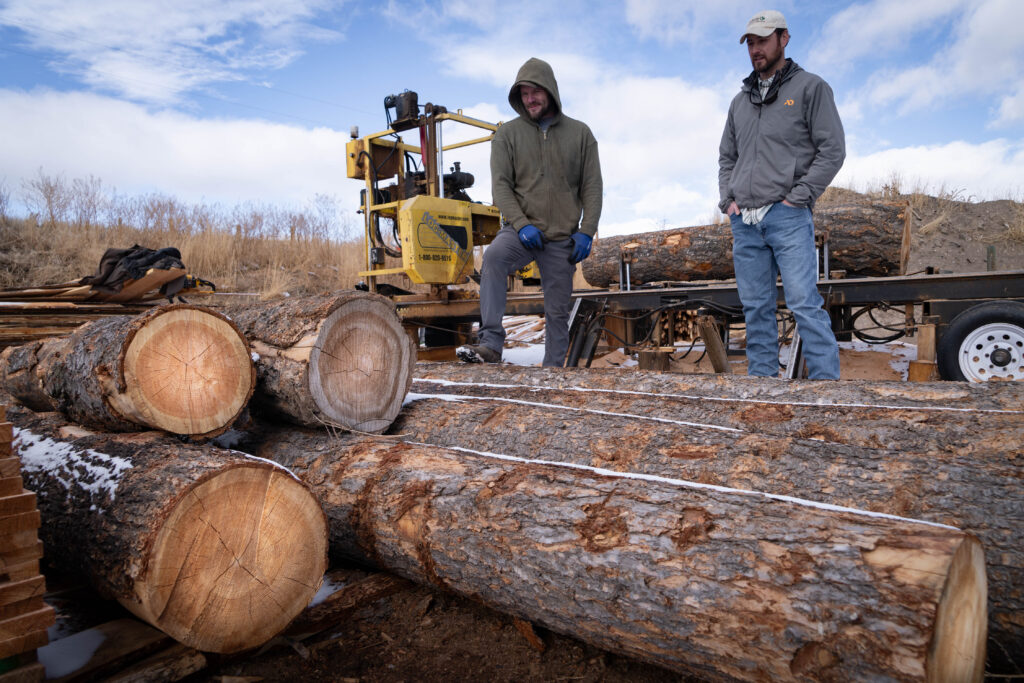
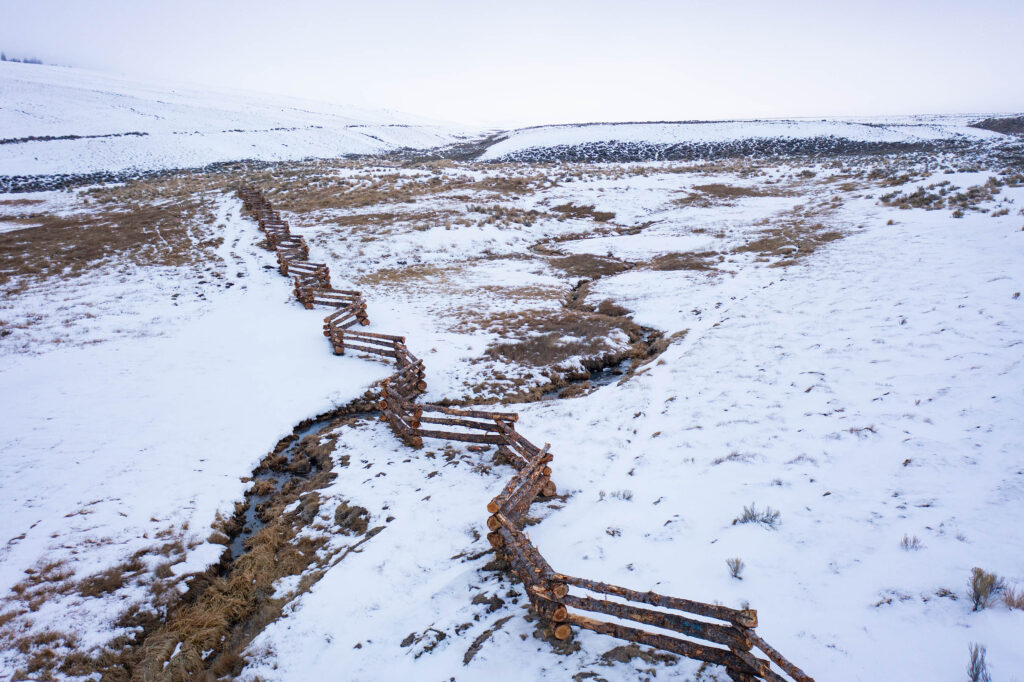
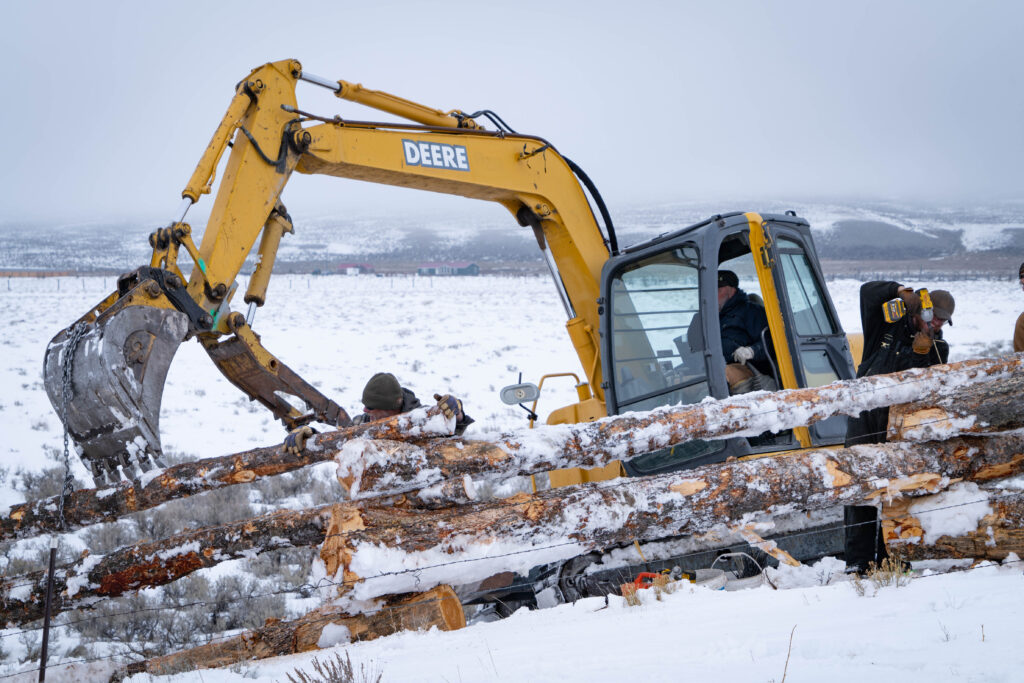
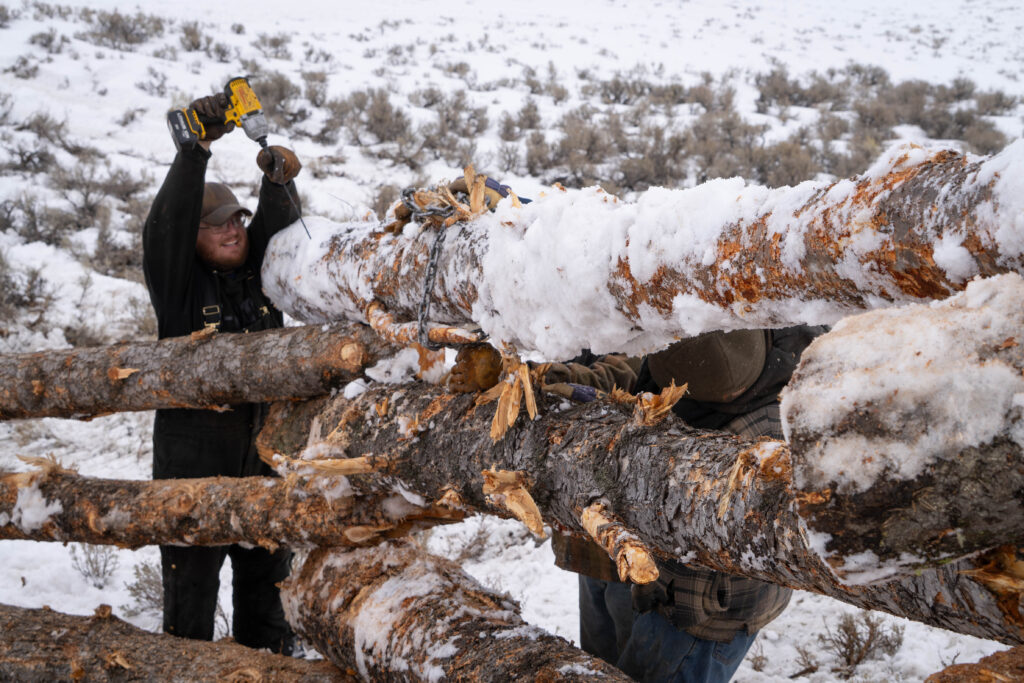
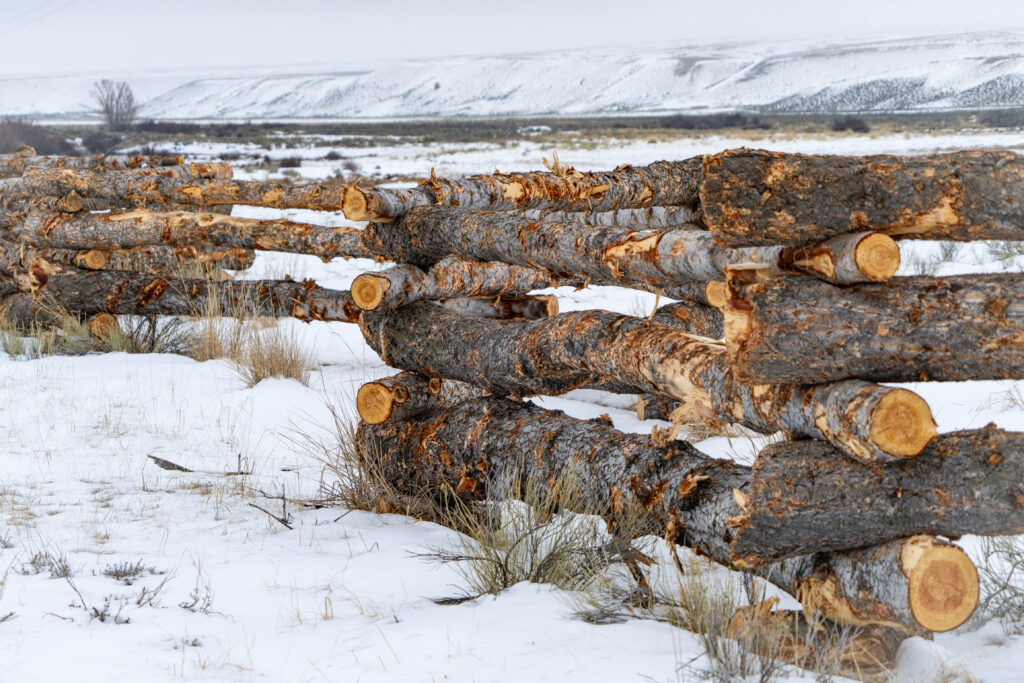
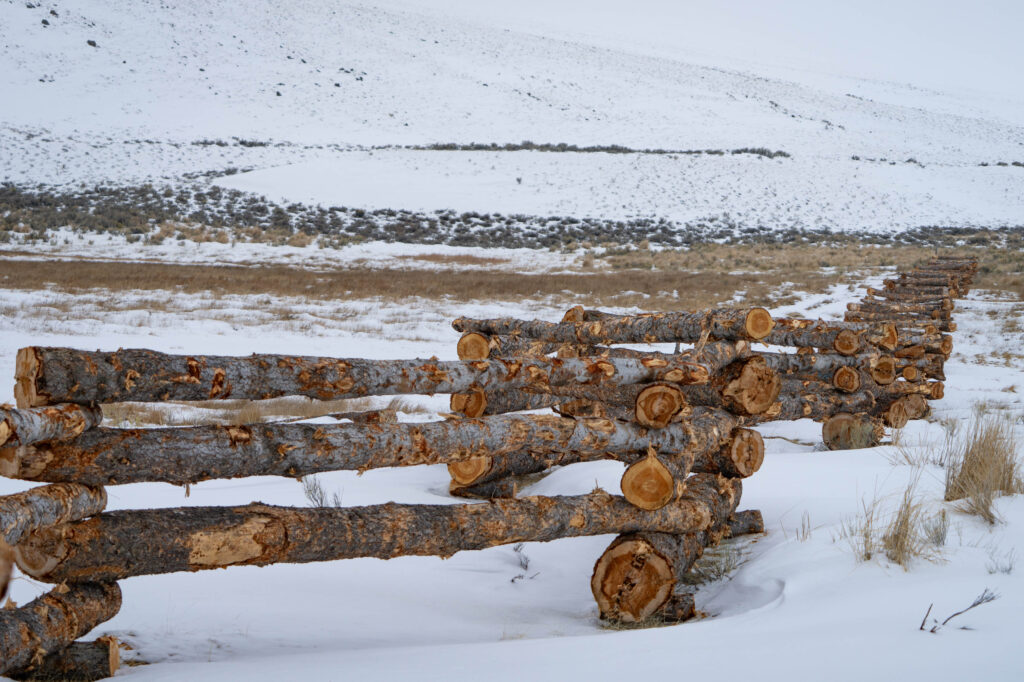
Our crew traveled to six different sites to tell this story, including restoration sites, a house-log mill, two board mills, a post and pole mill, and the site of a fence installation.
PHOTOGRAPHY
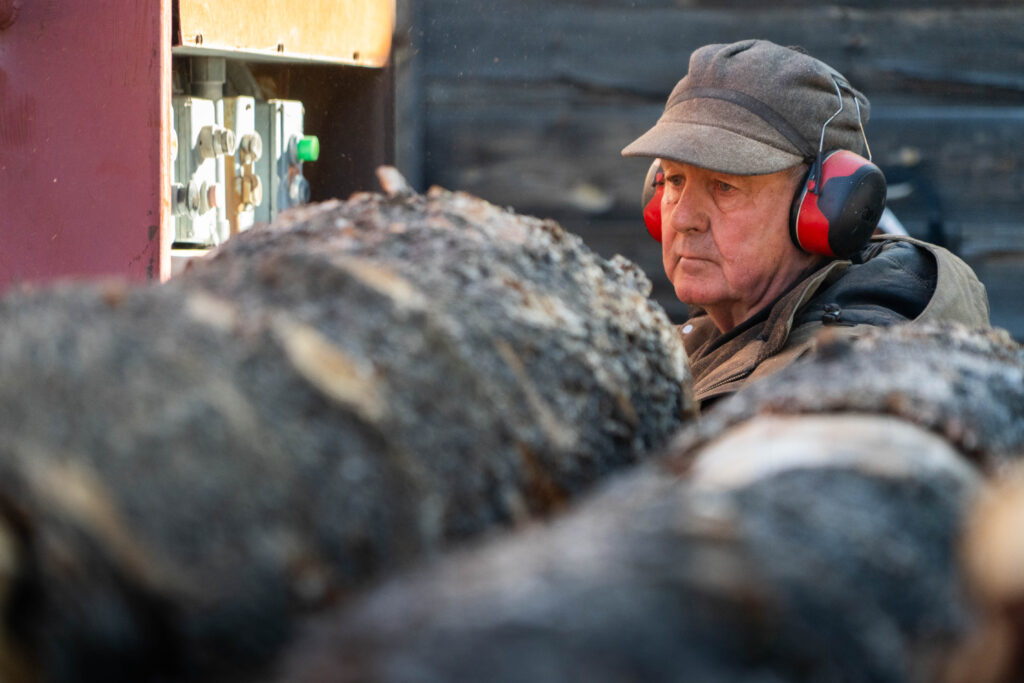
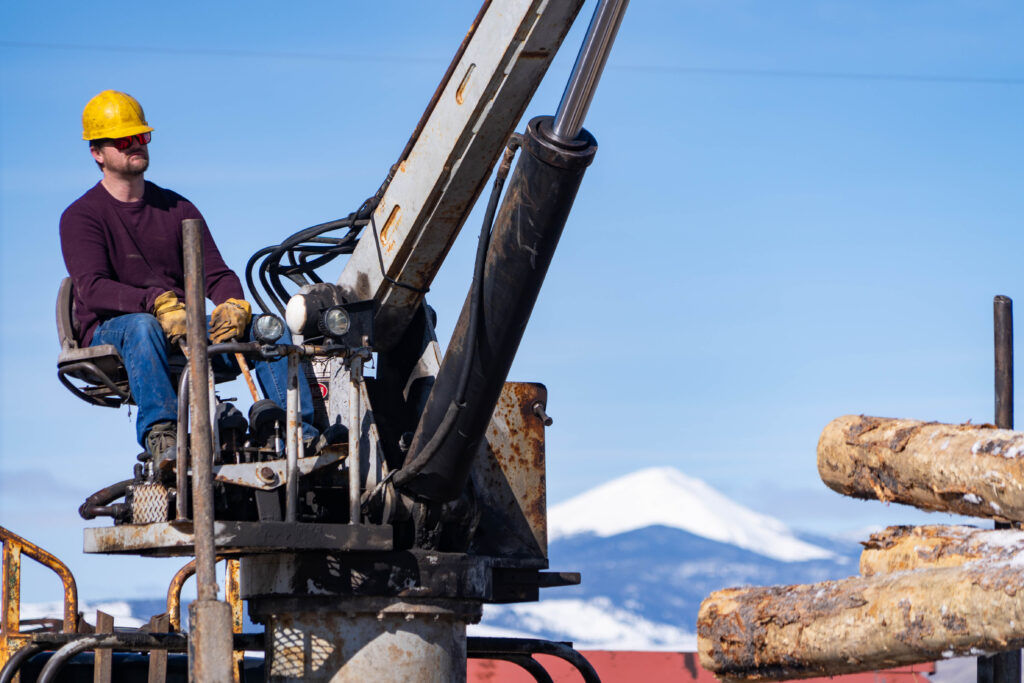
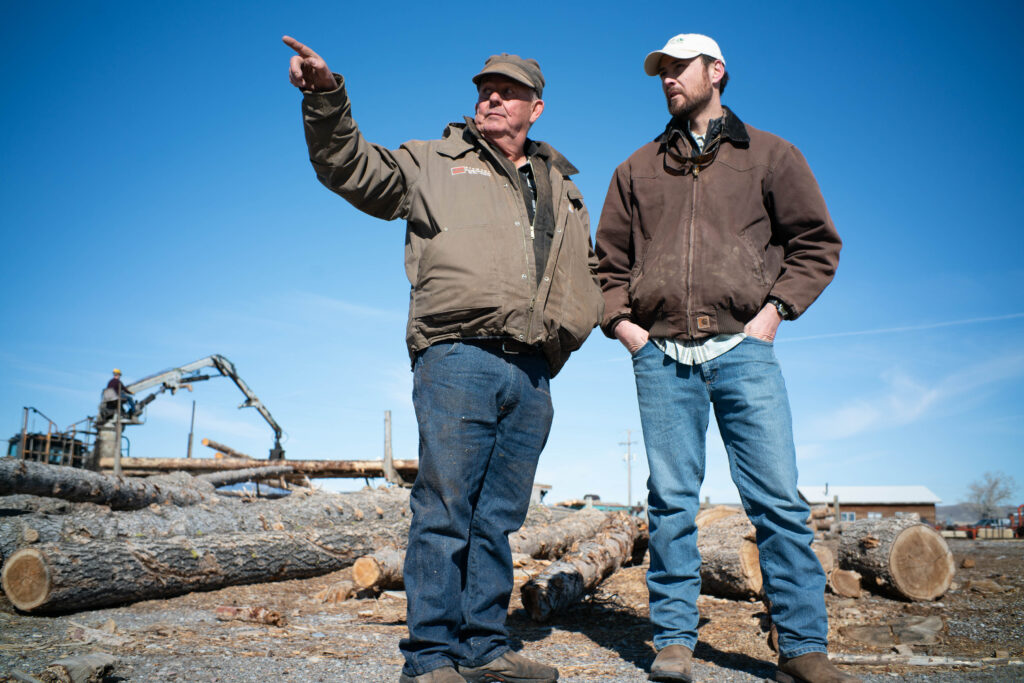
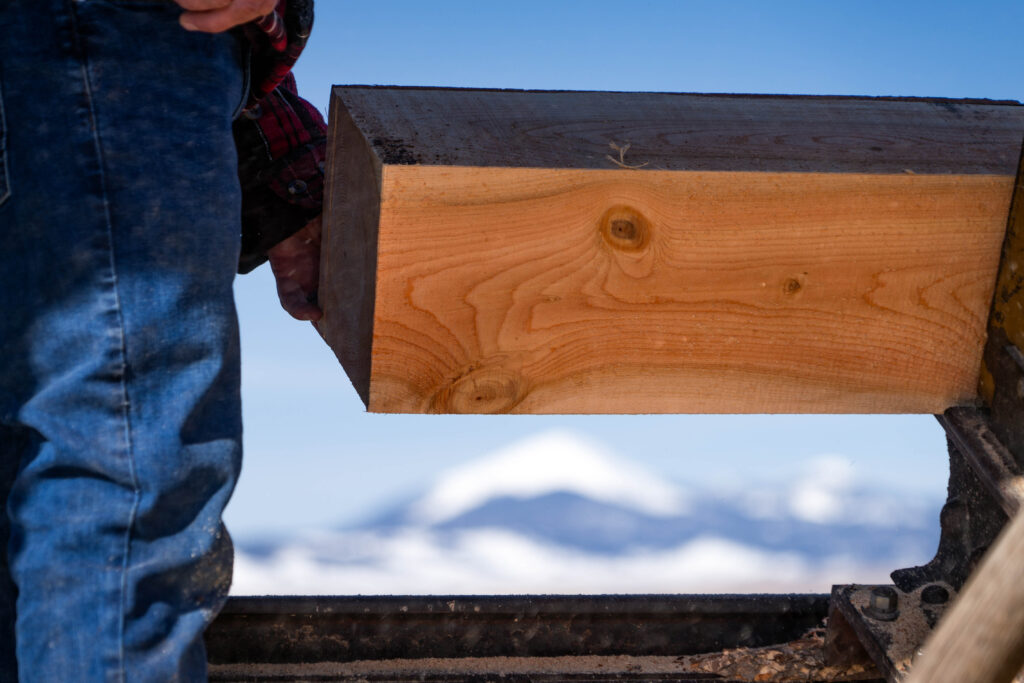
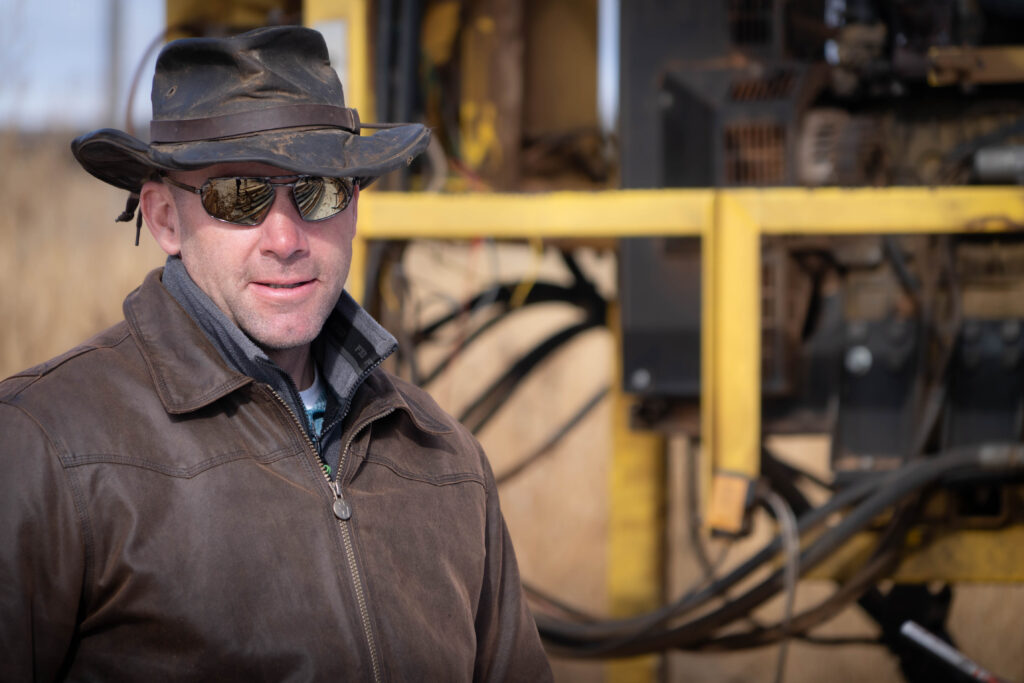
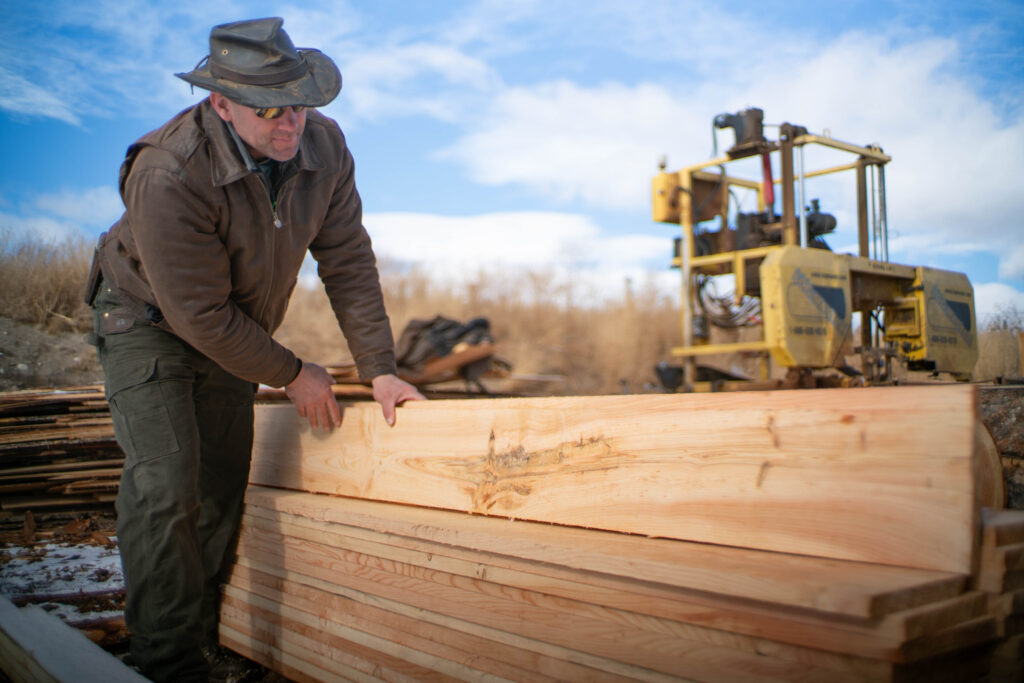
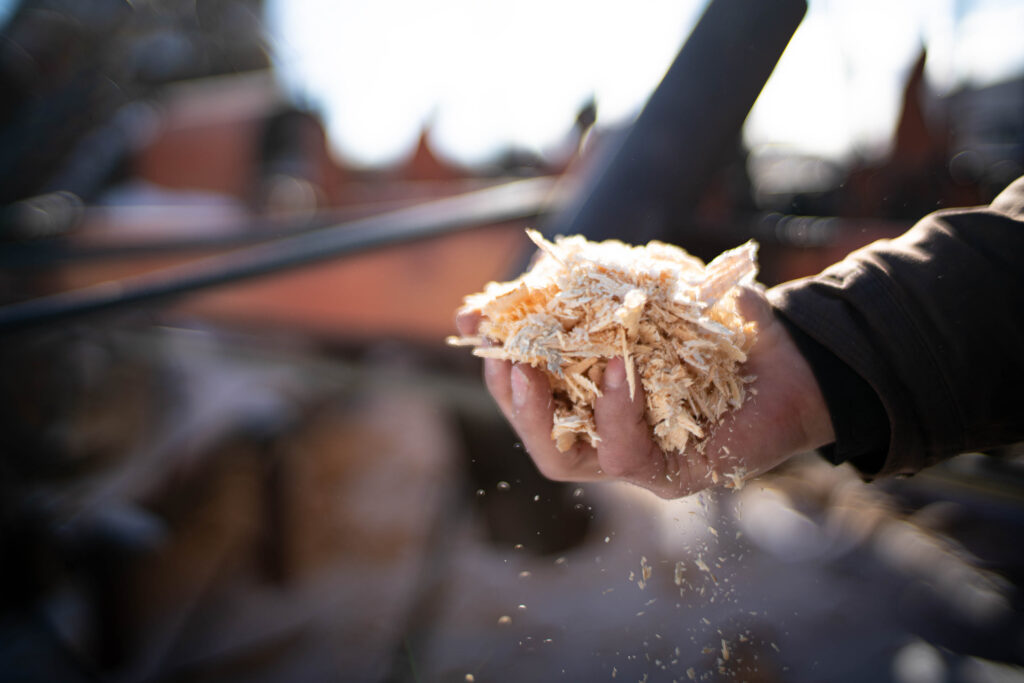
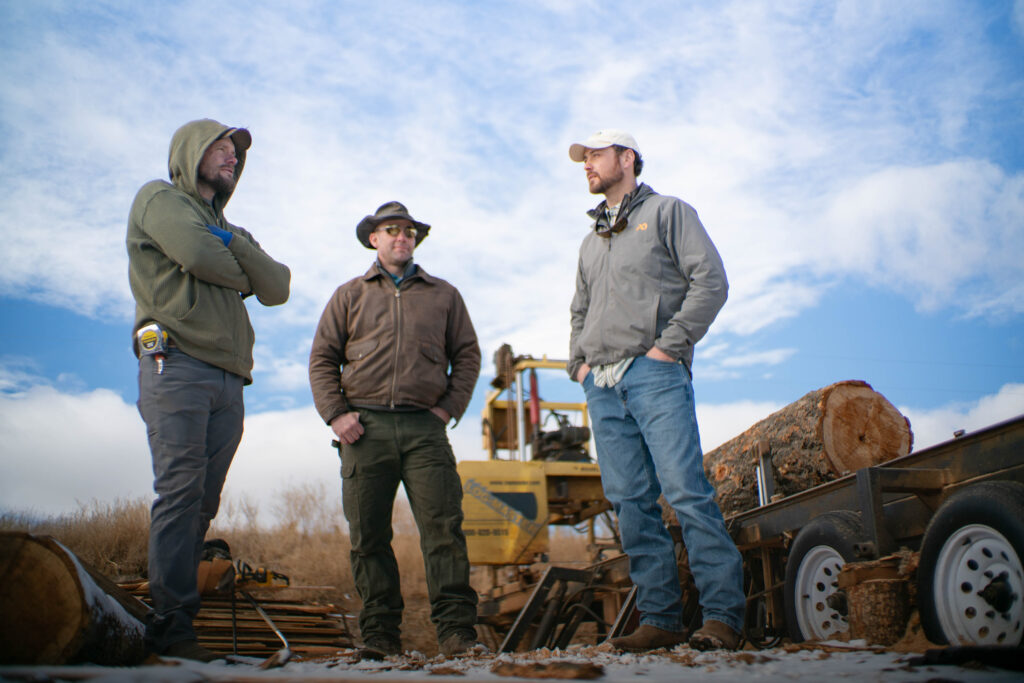
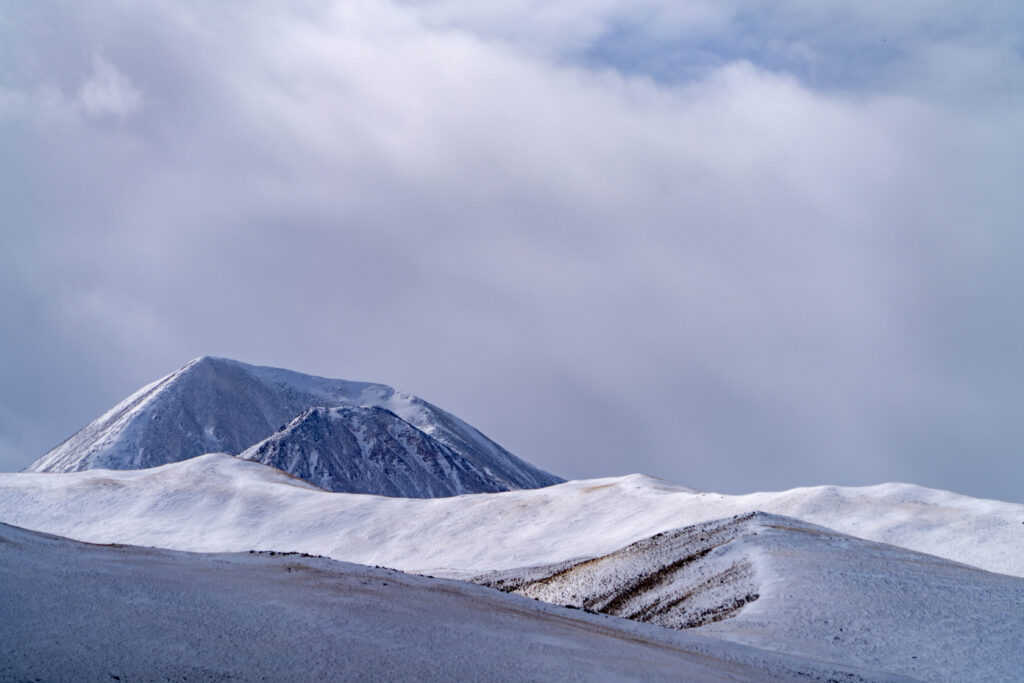
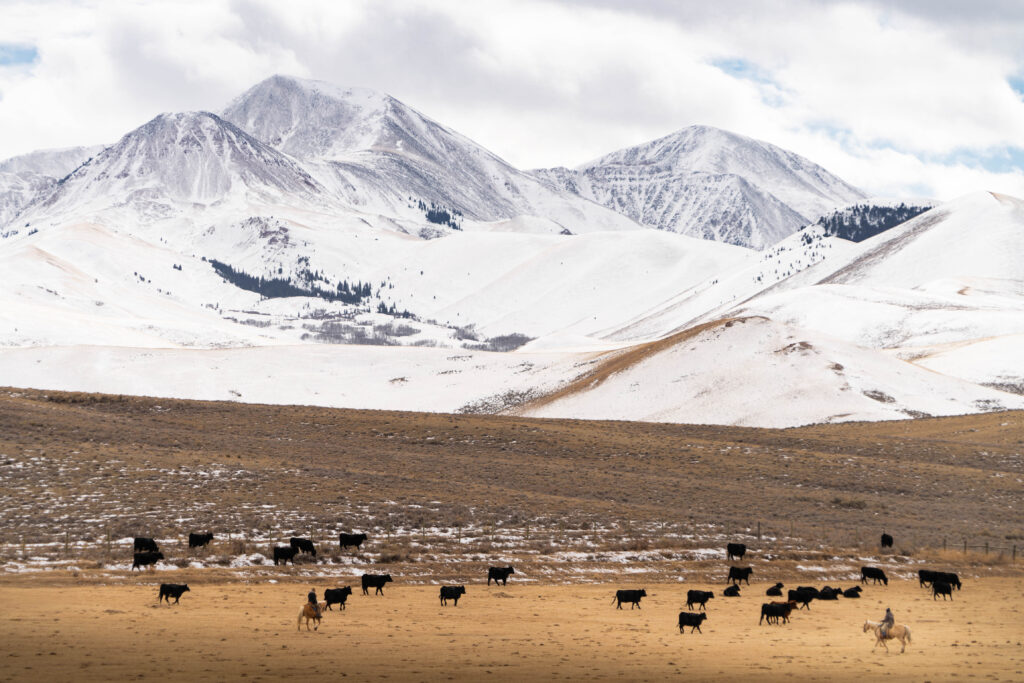
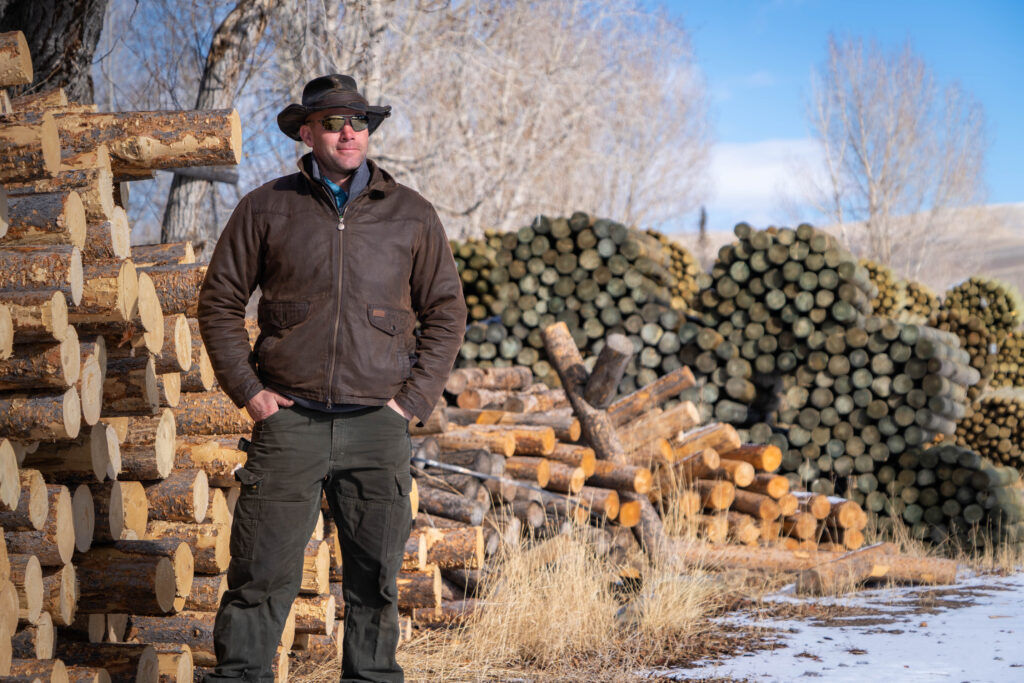
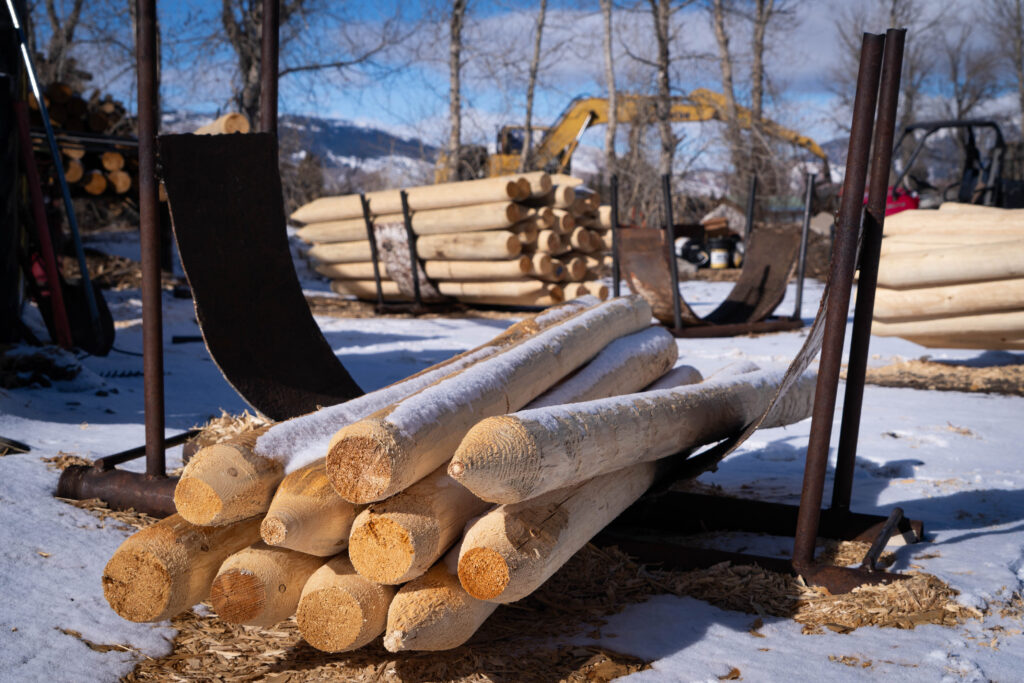
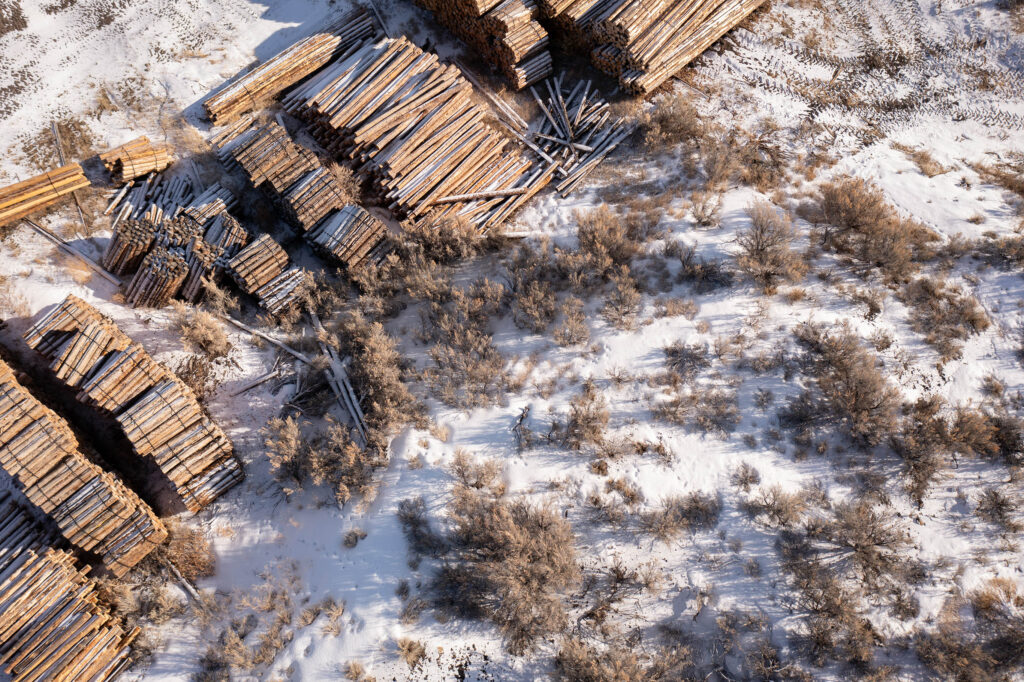
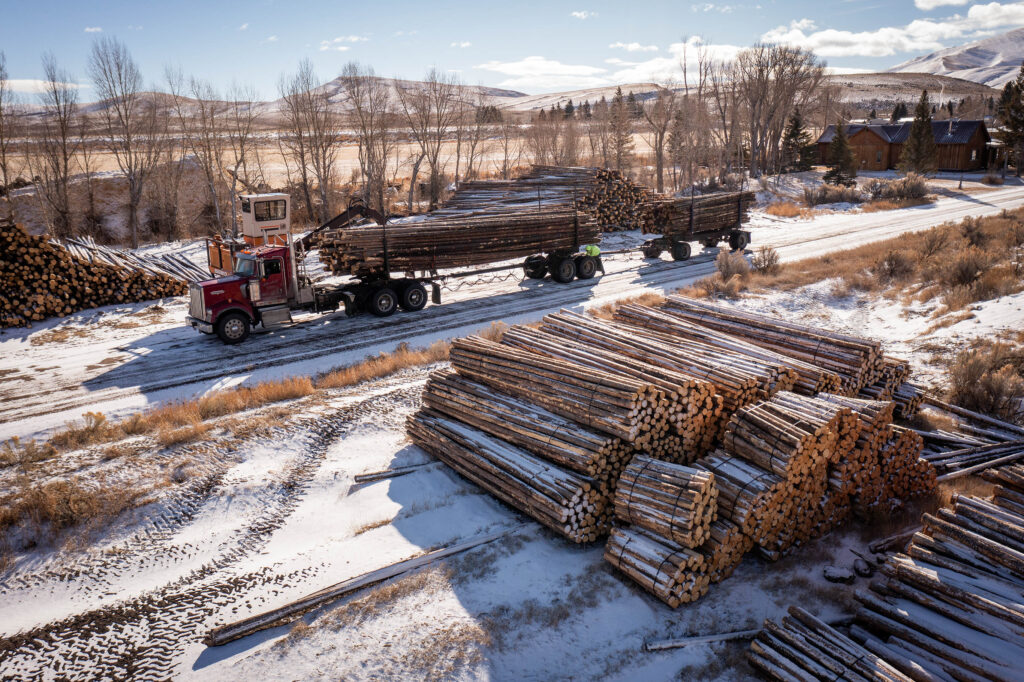
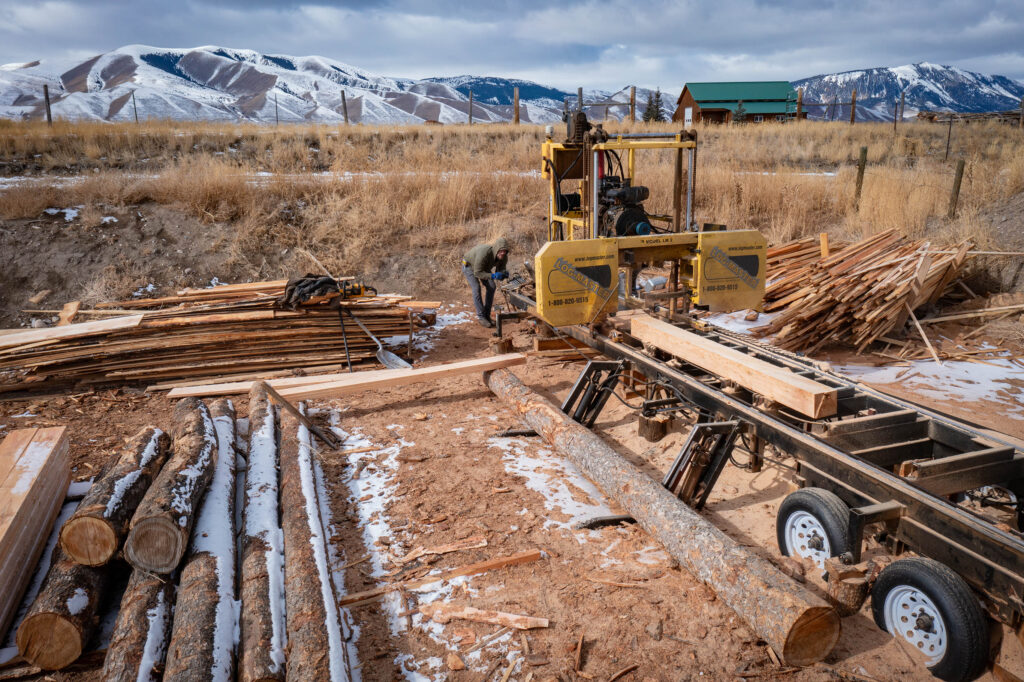
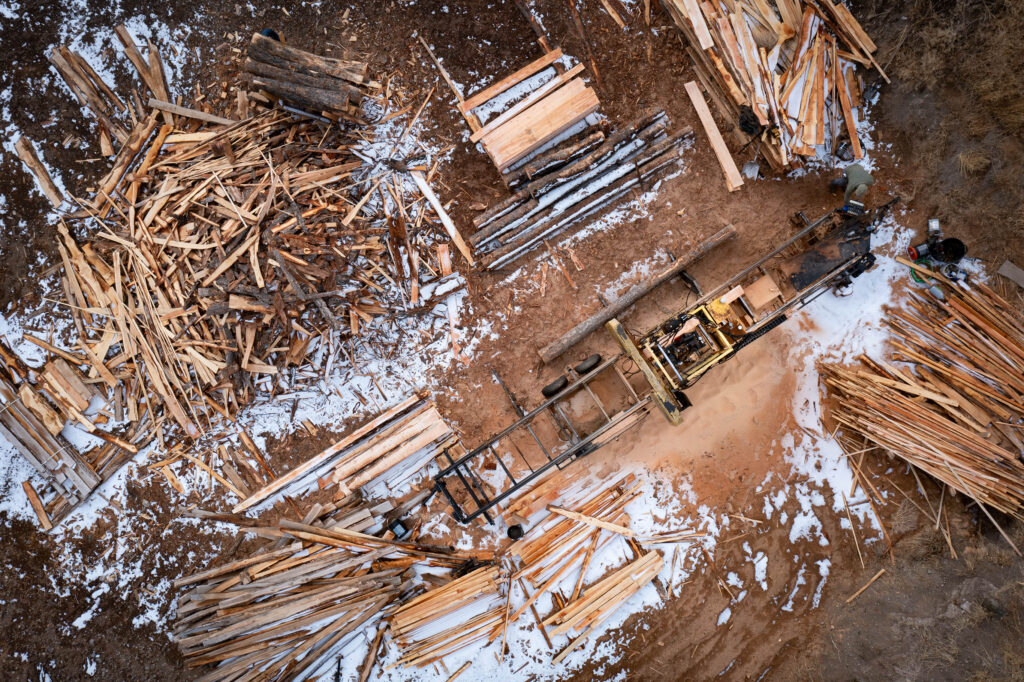
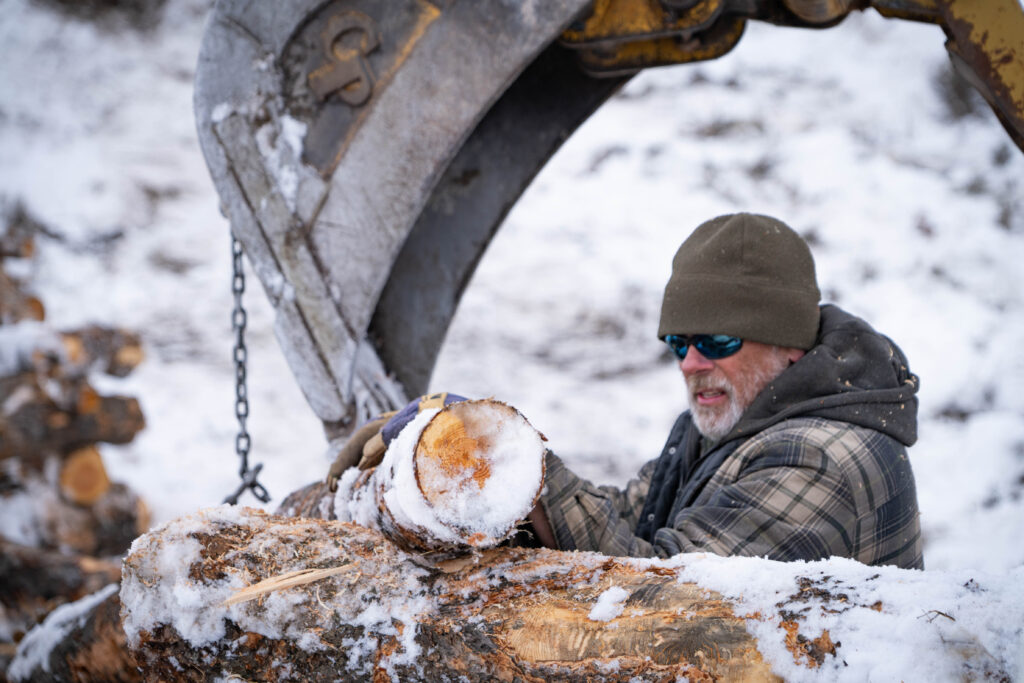
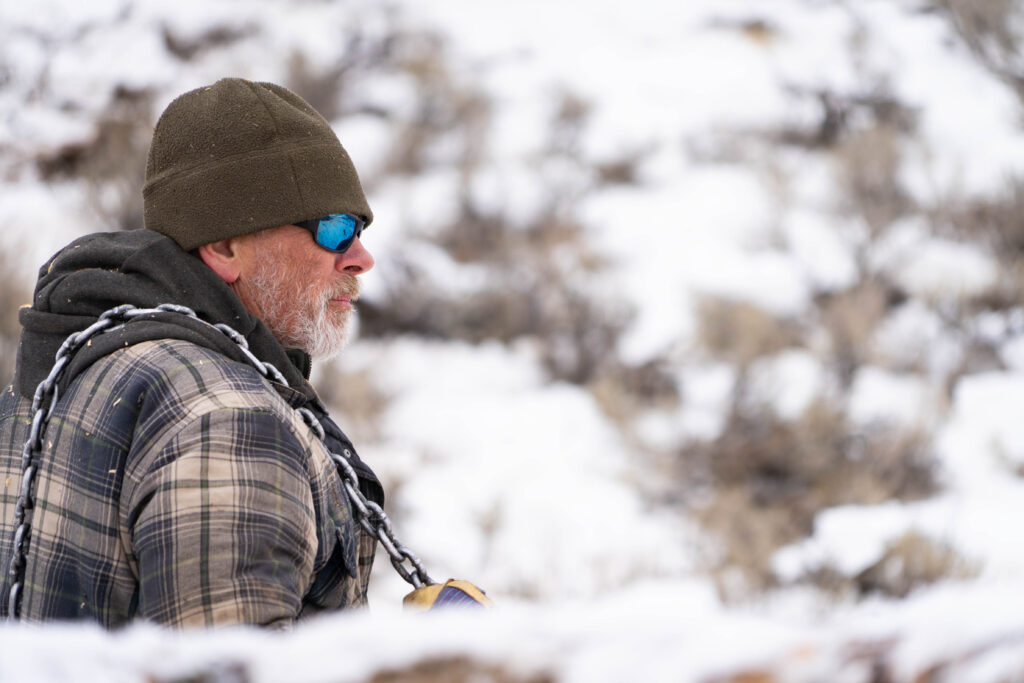
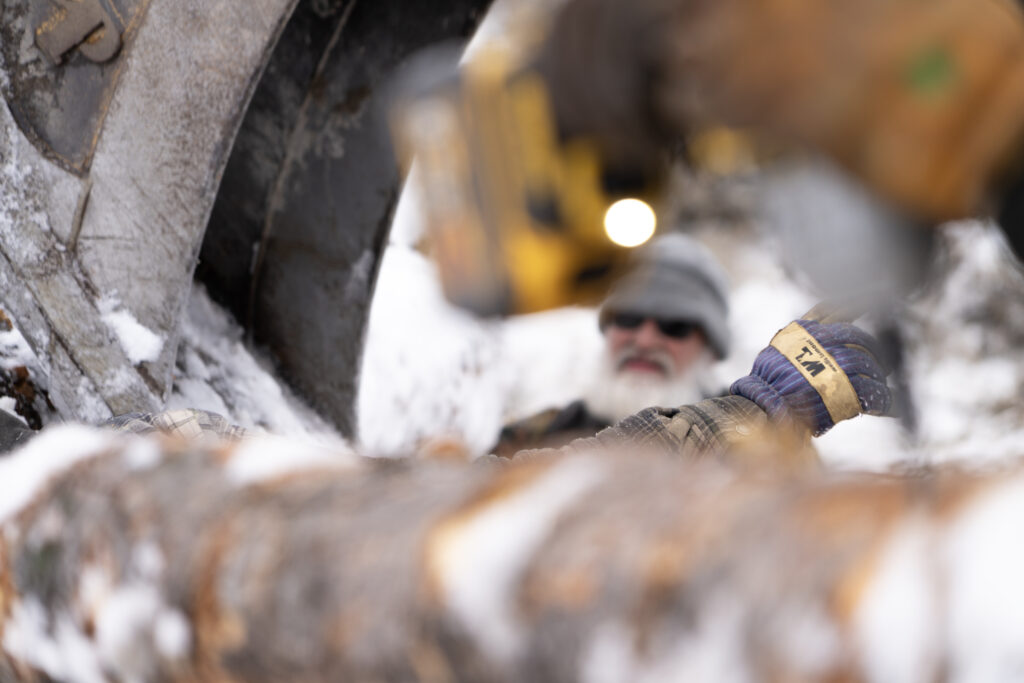
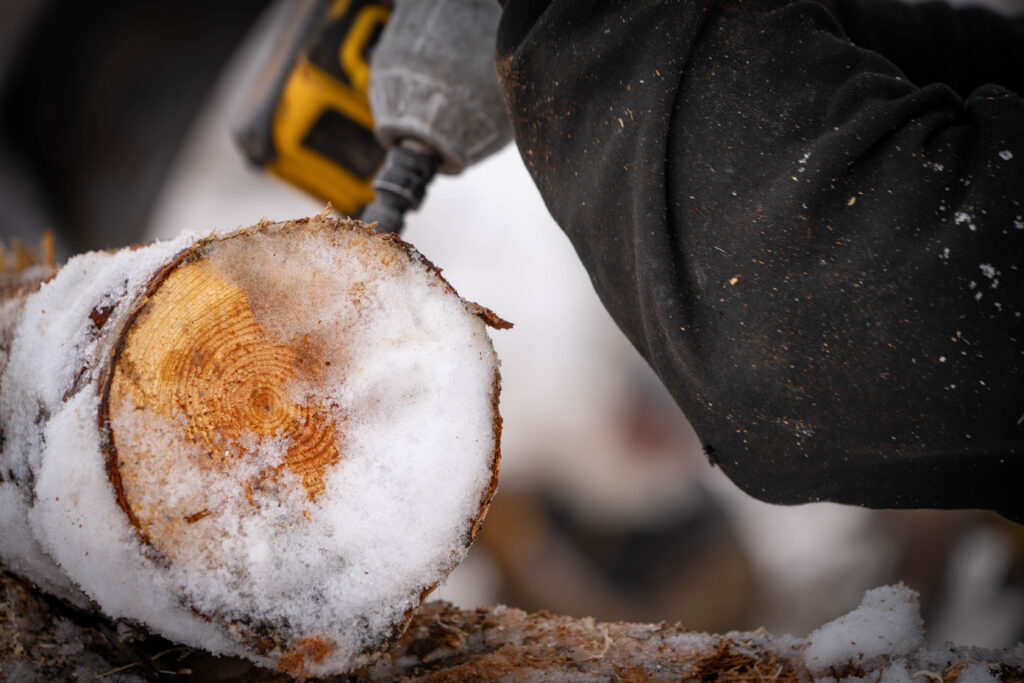
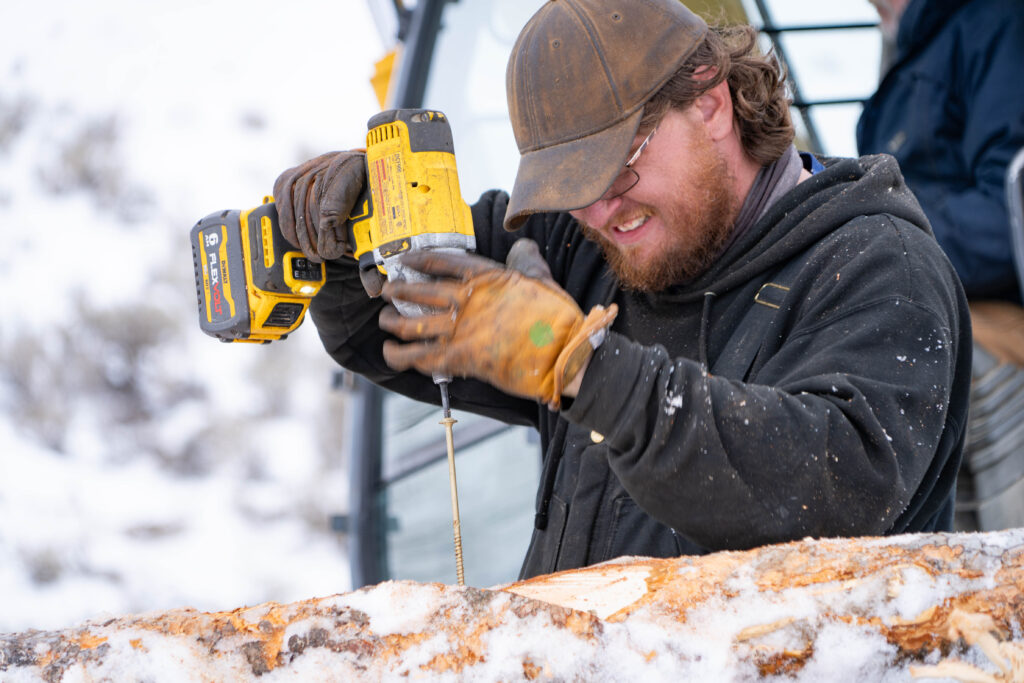
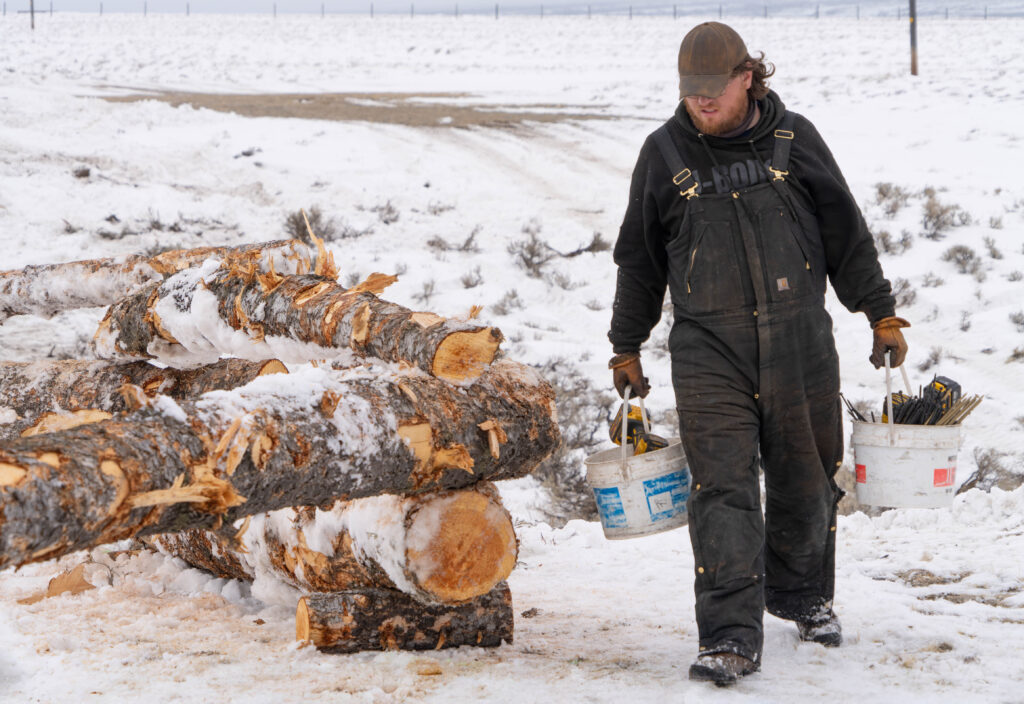
Below is a selection of stills Conservation Media delivered to the Nature Conservancy.