People have been part of the landscape for millennia. And for better or worse, we aren’t going away. The most productive, species-rich parts of ecosystems have always attracted human settlement, and while our presence in these high-value landscapes can and has had a disproportionate impact on species and ecosystems, some of the most impactful conservation efforts can be accomplished working with those who live on, own, and manage these high-value landscapes. It also means finding common ground and looking for win-win solutions.
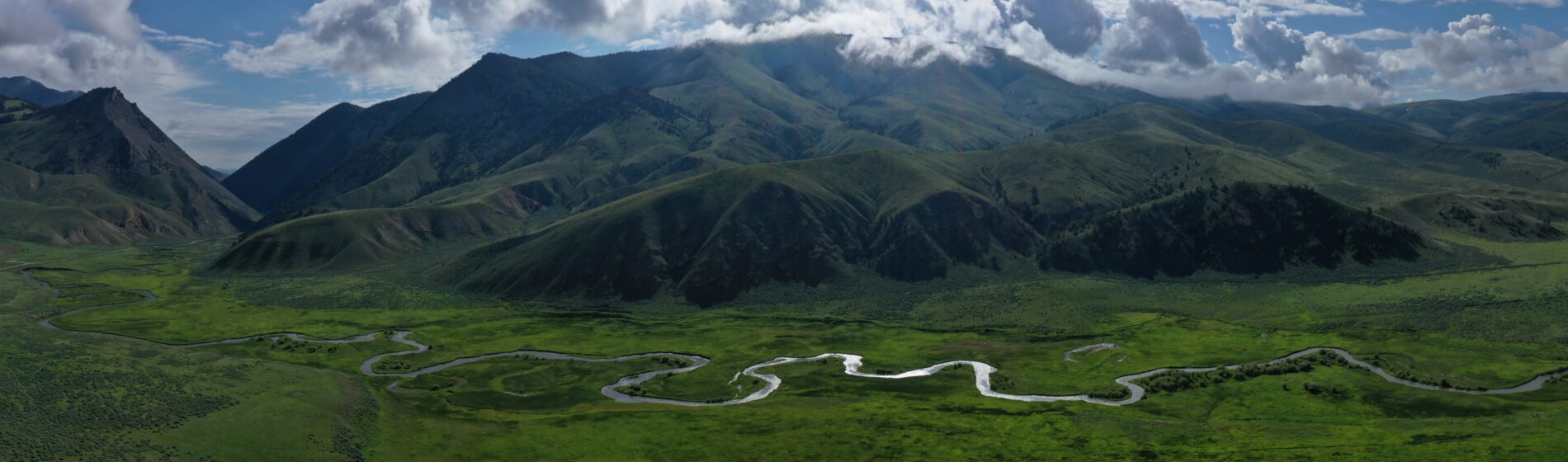
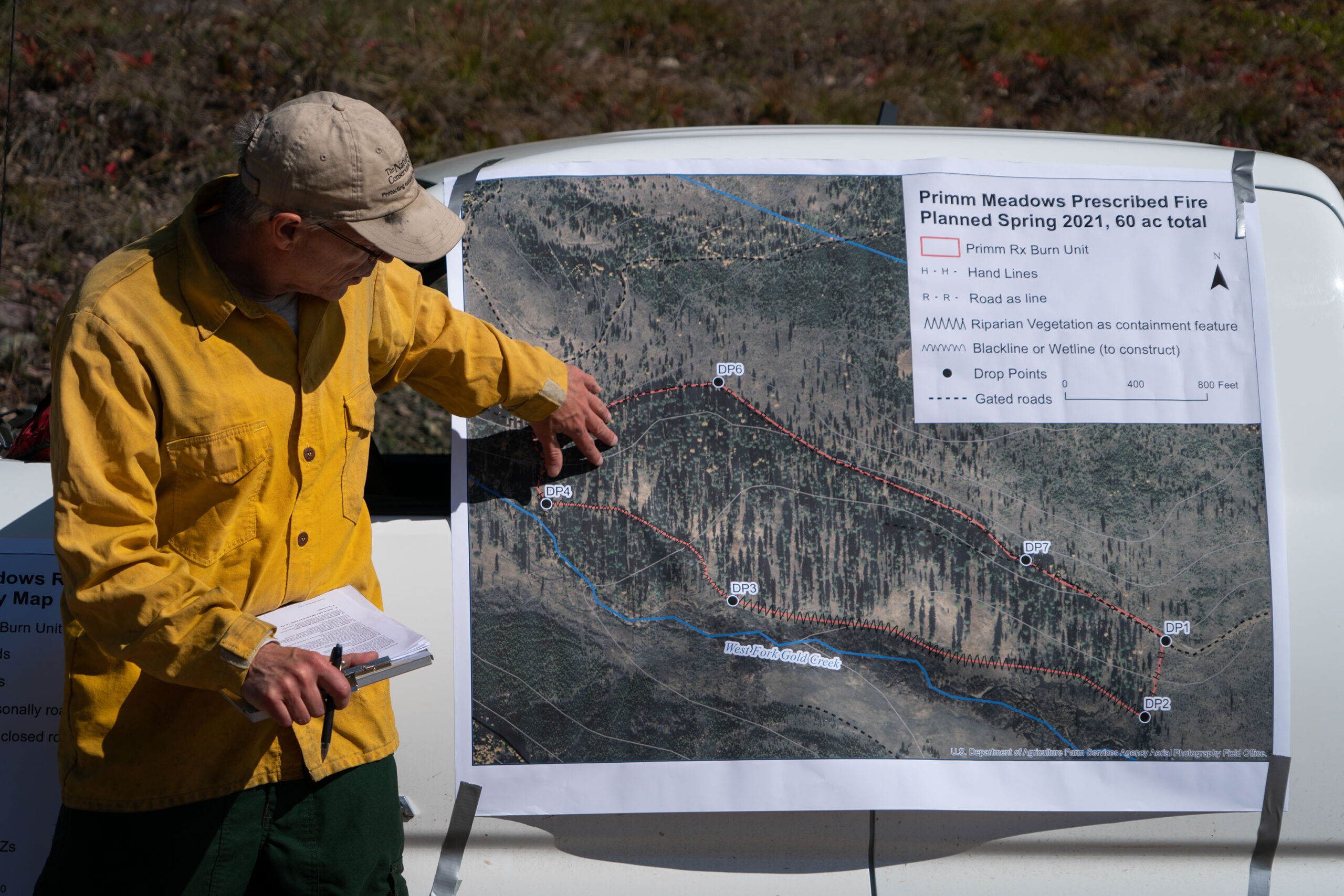
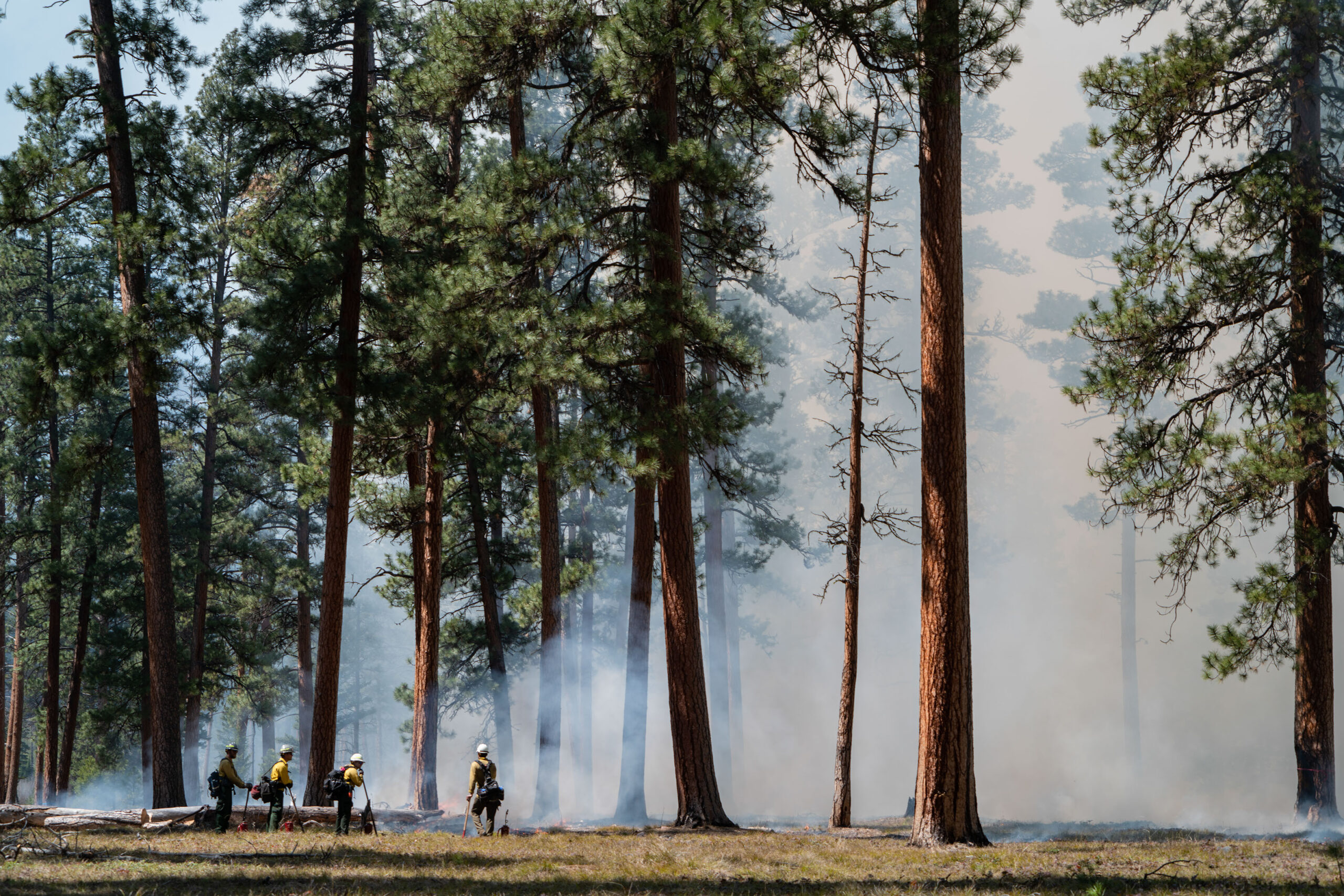
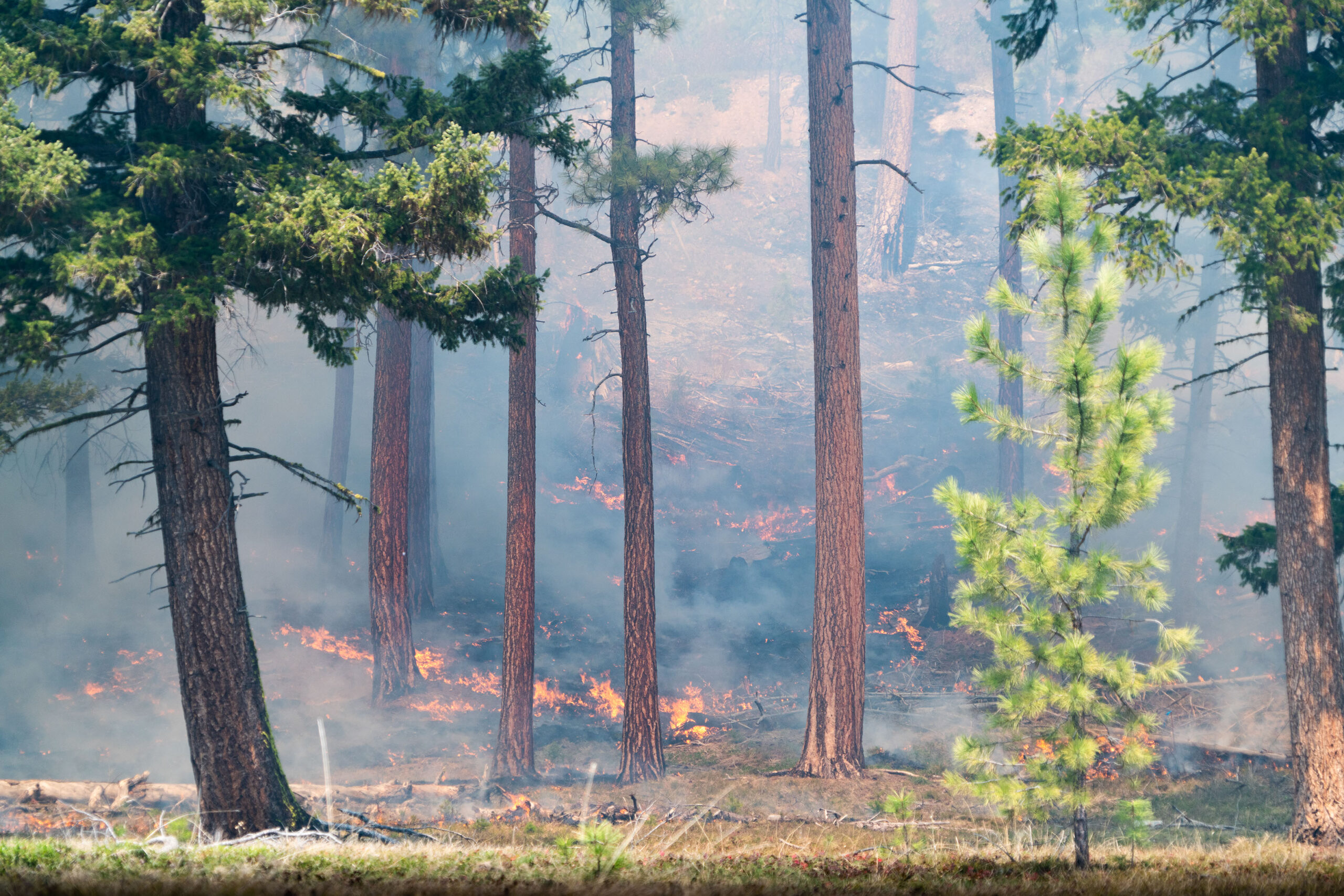
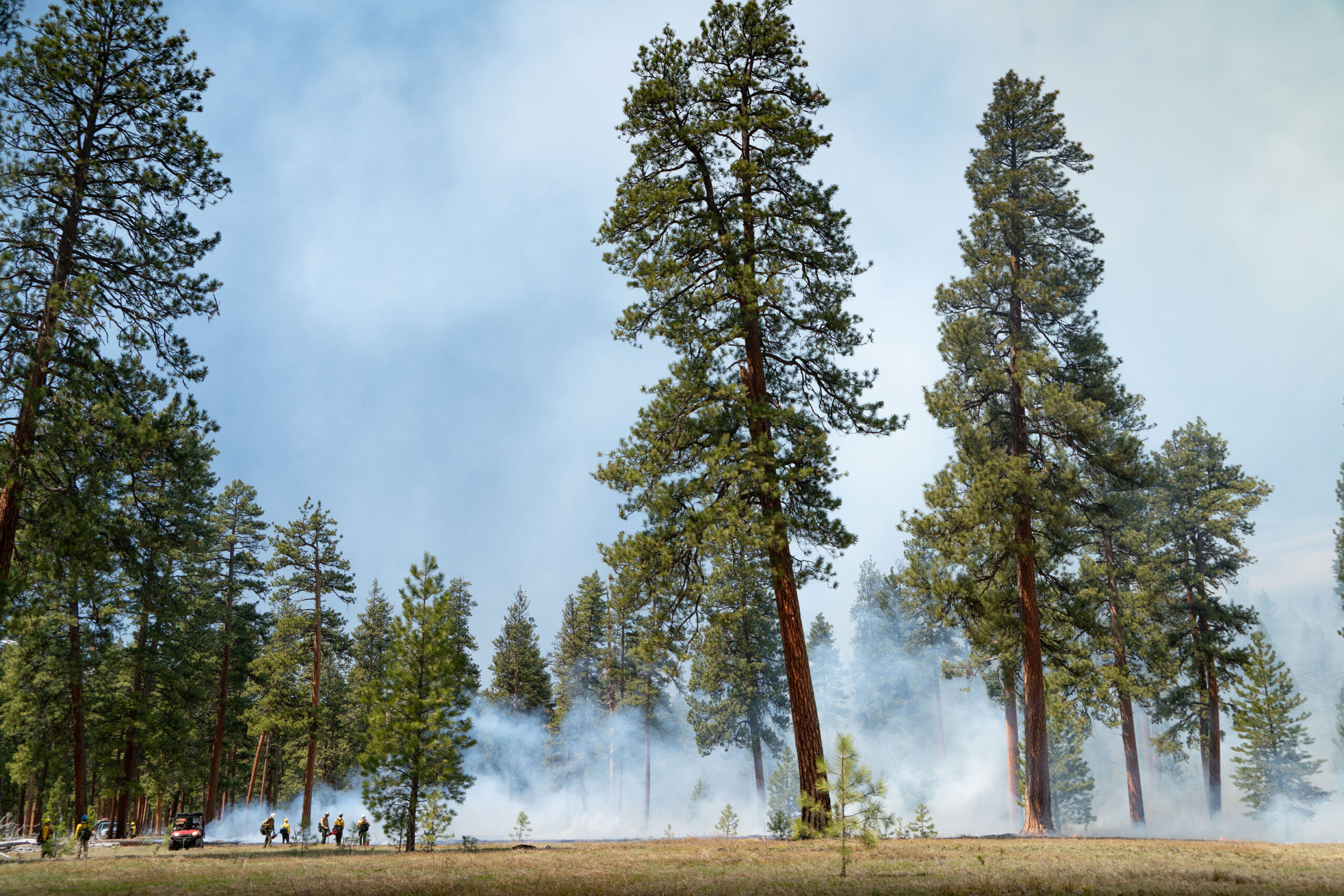
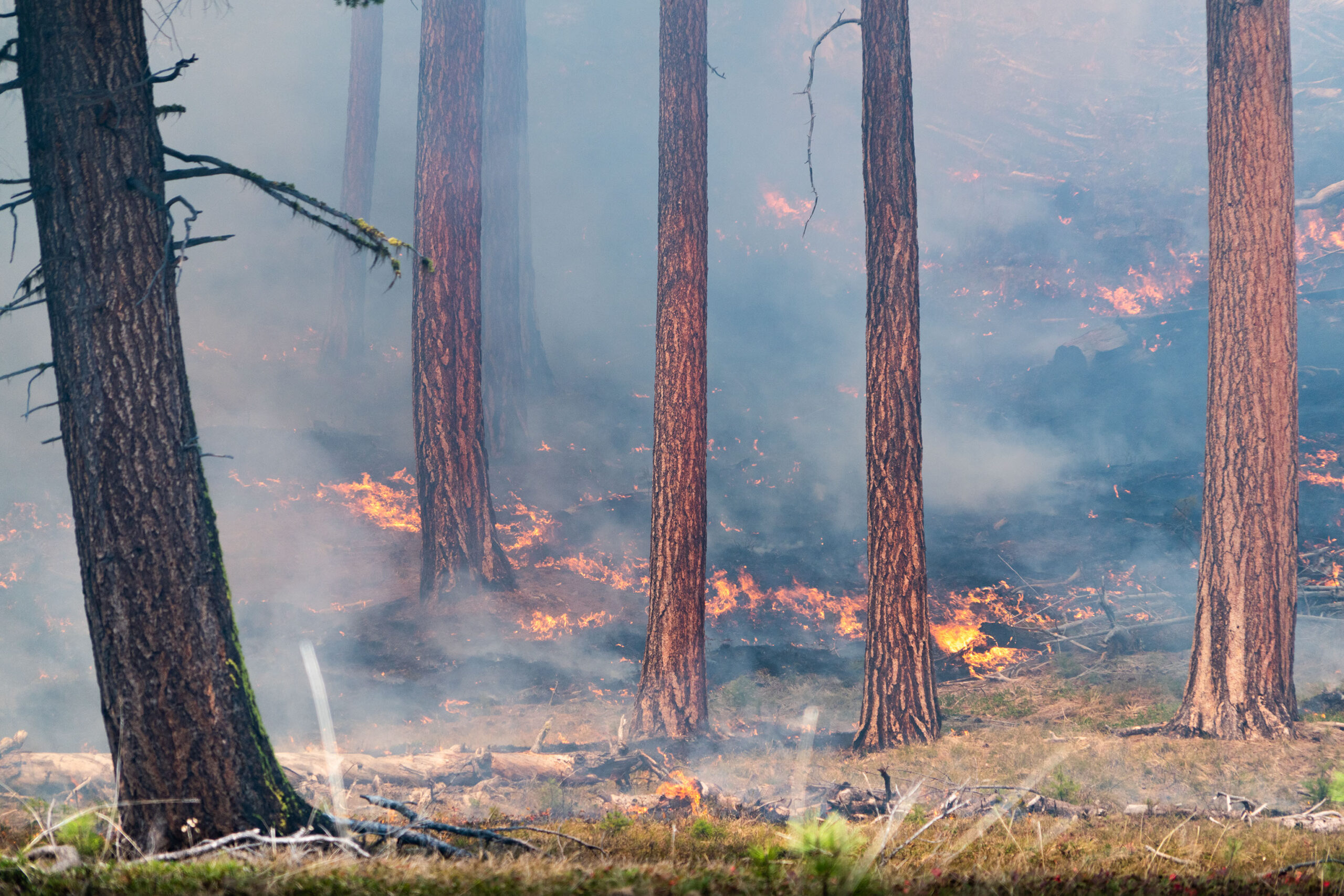
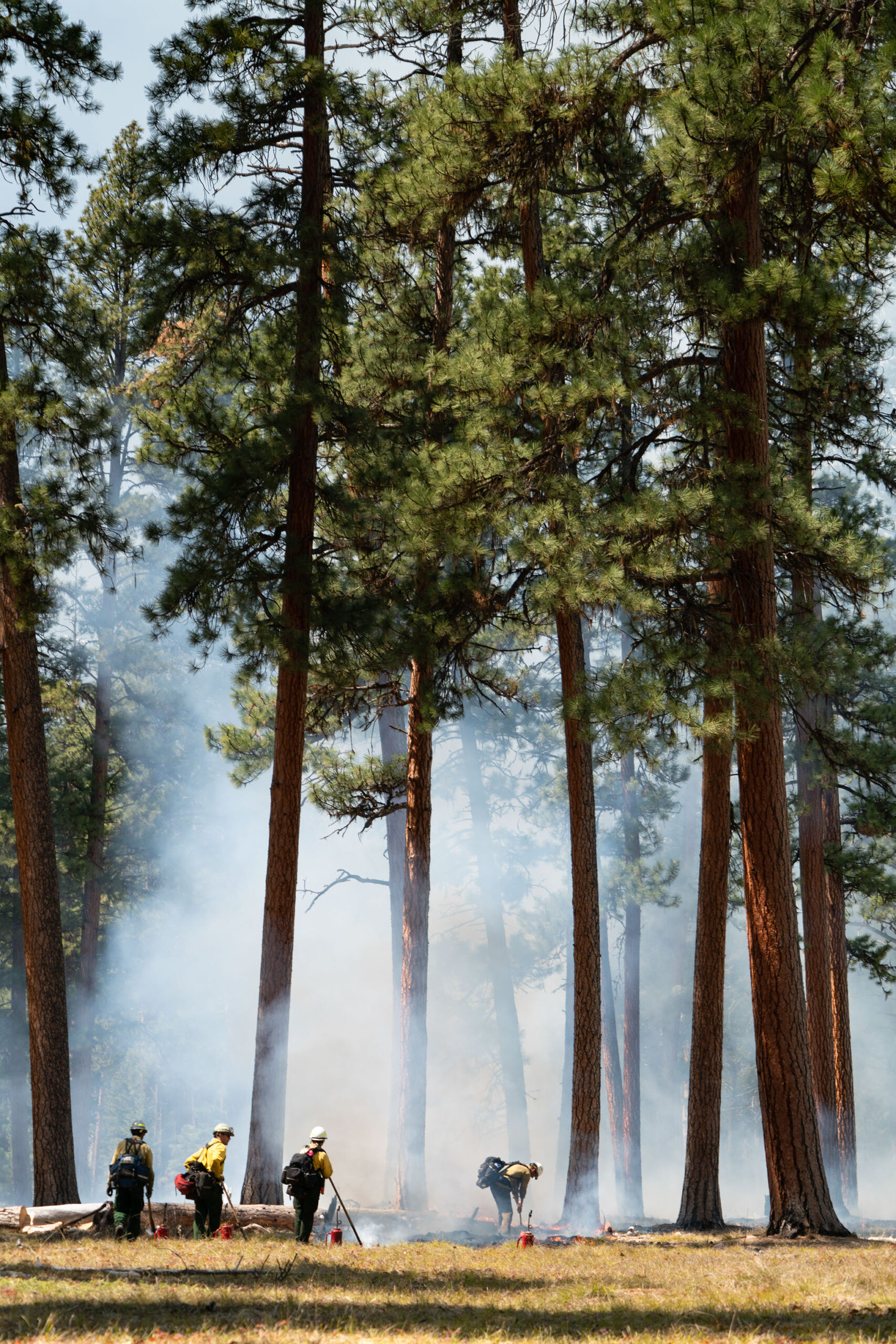
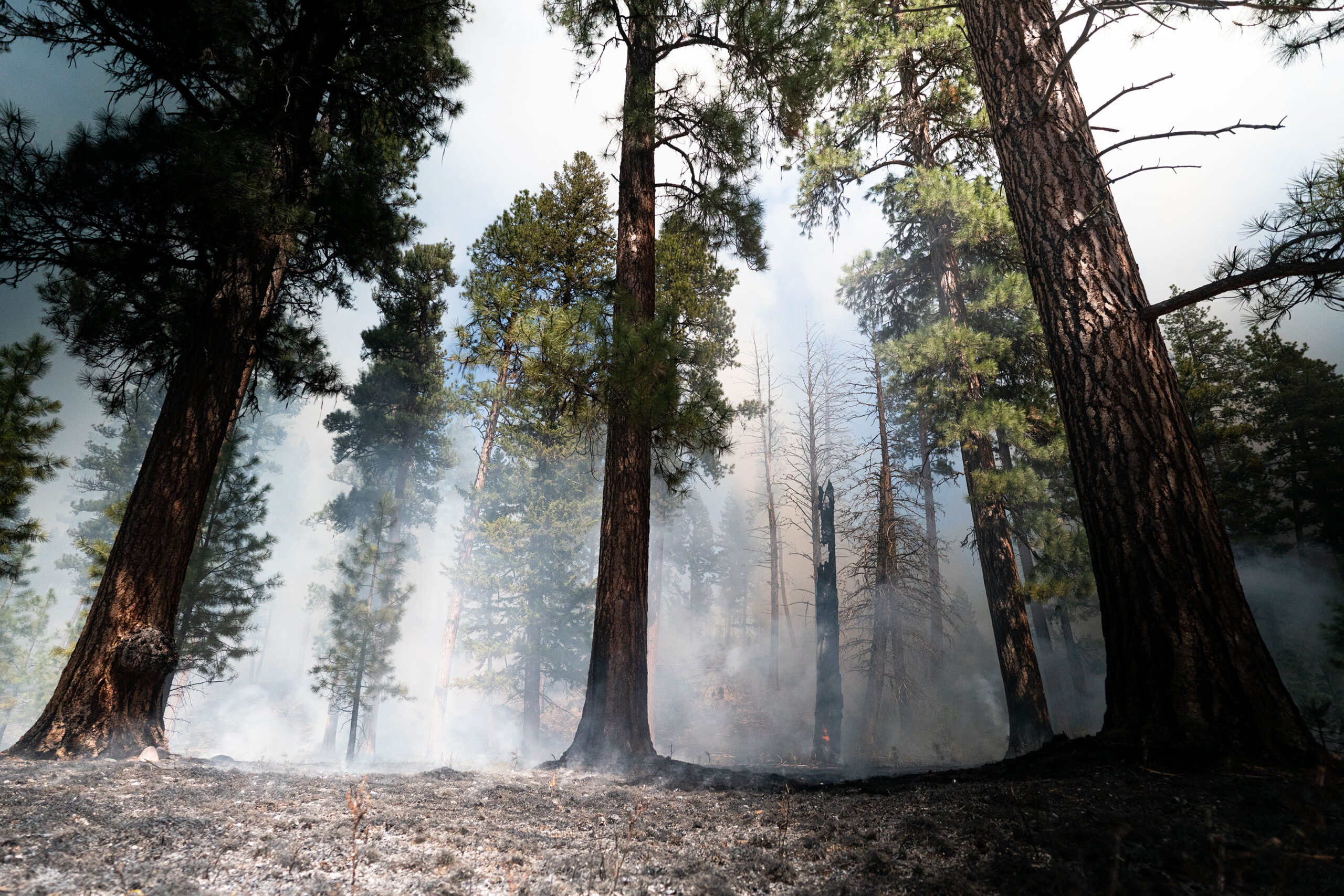
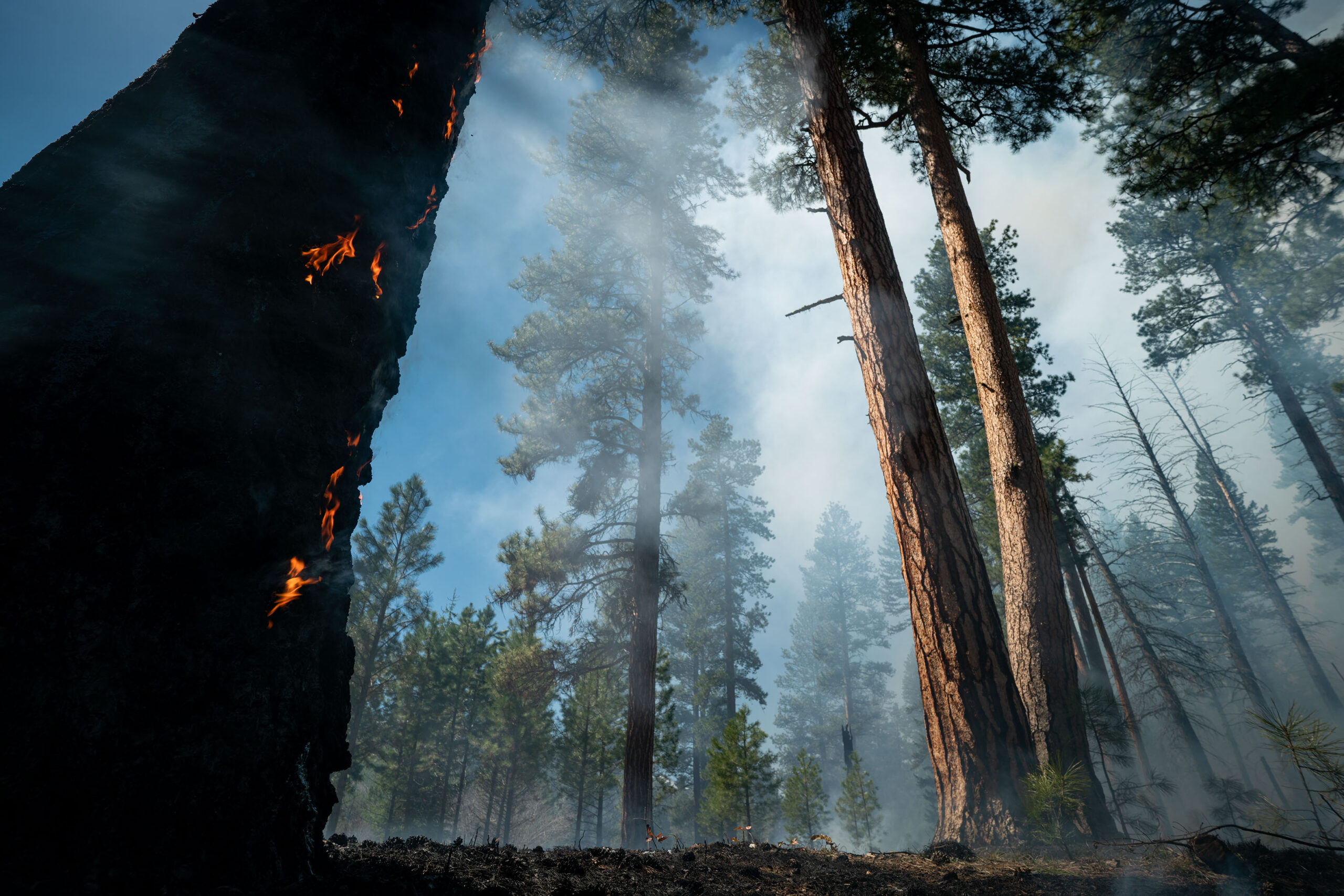
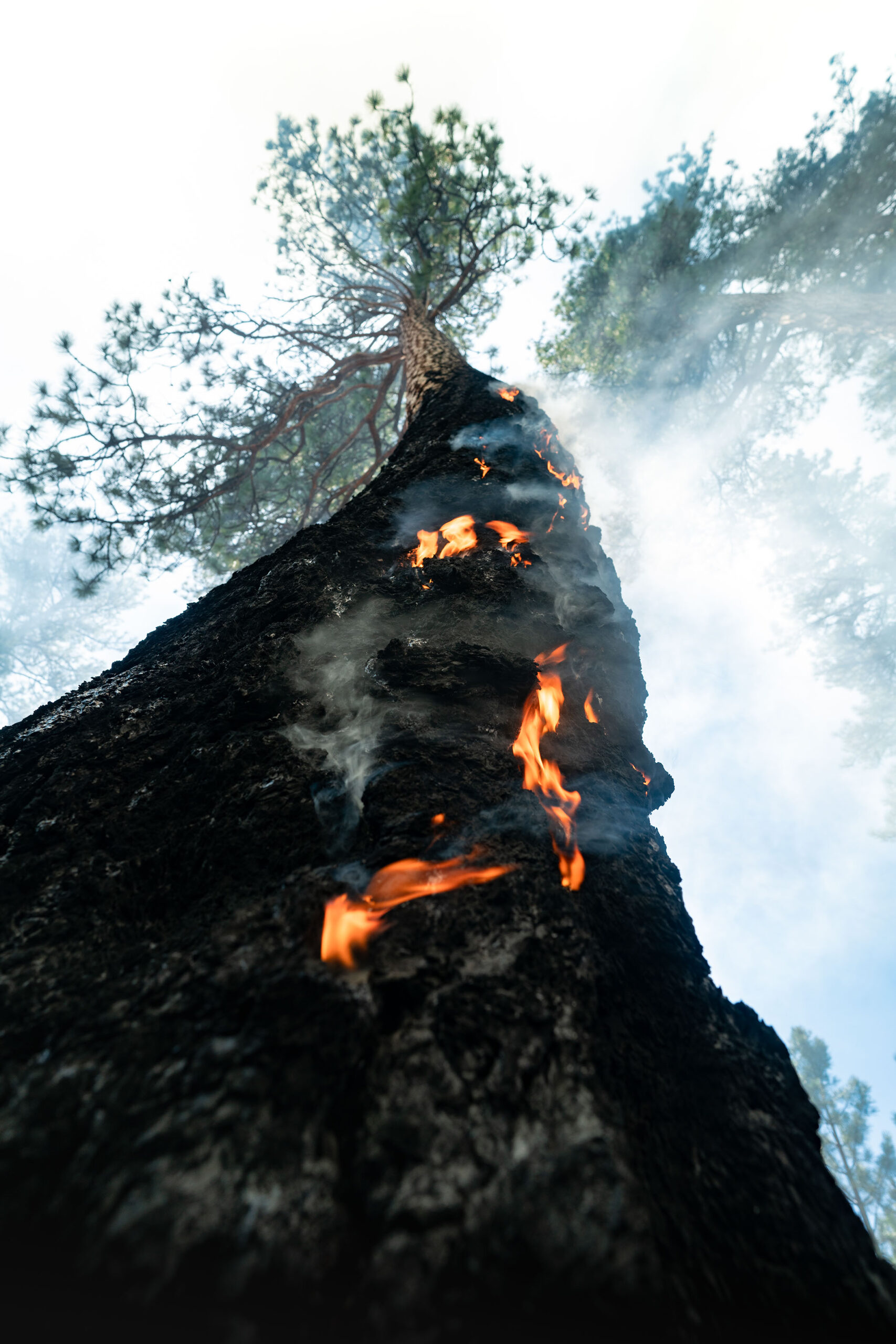
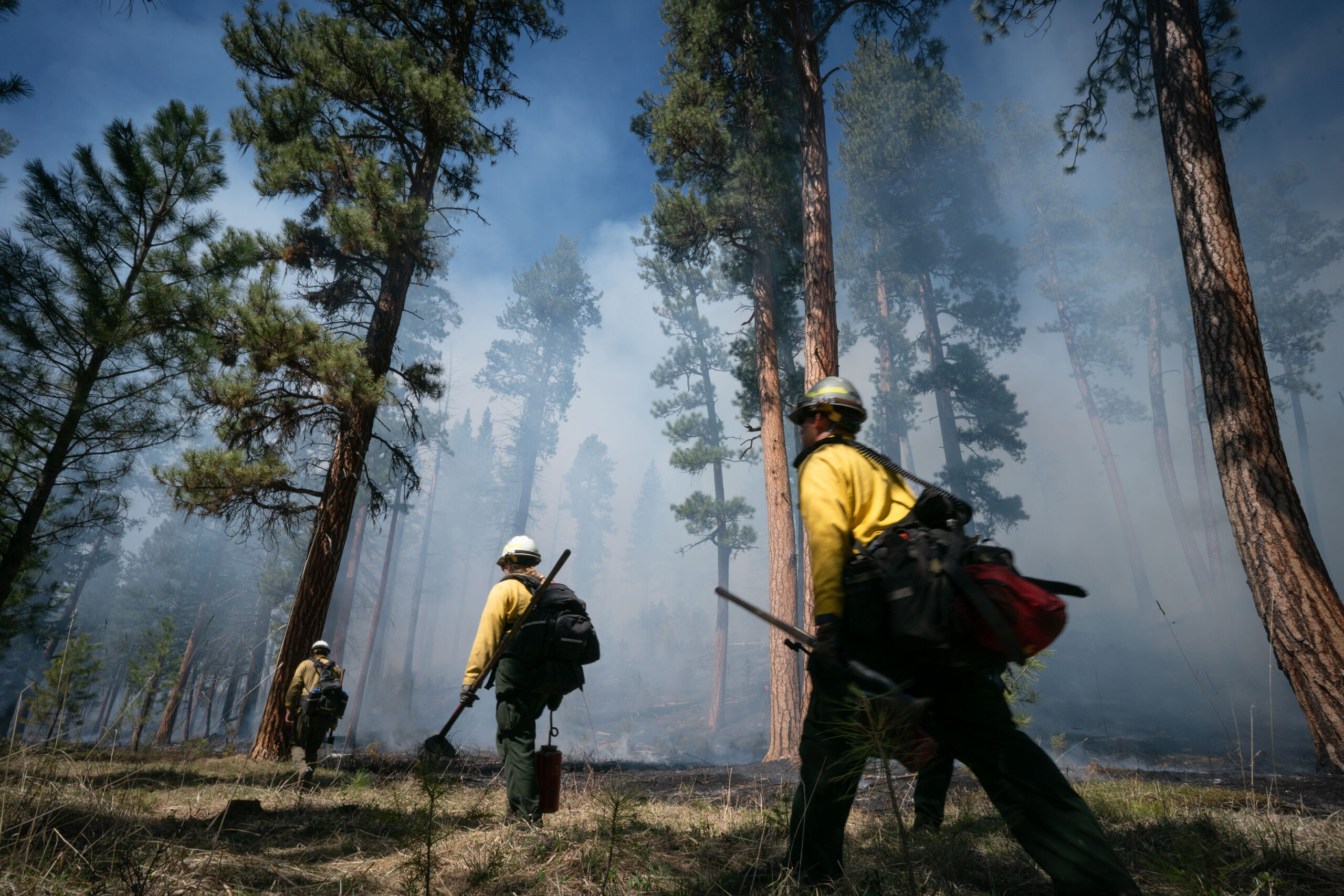
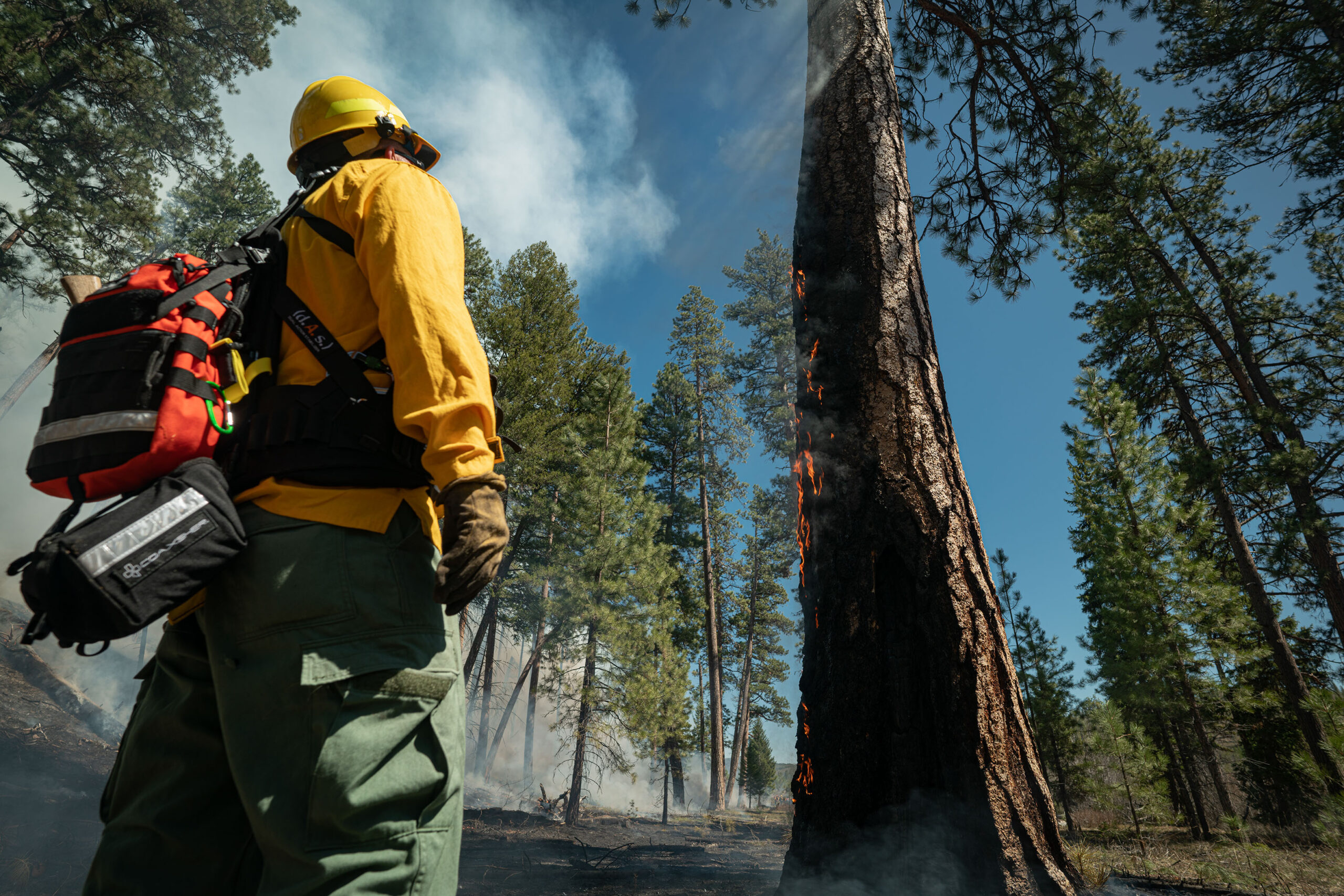
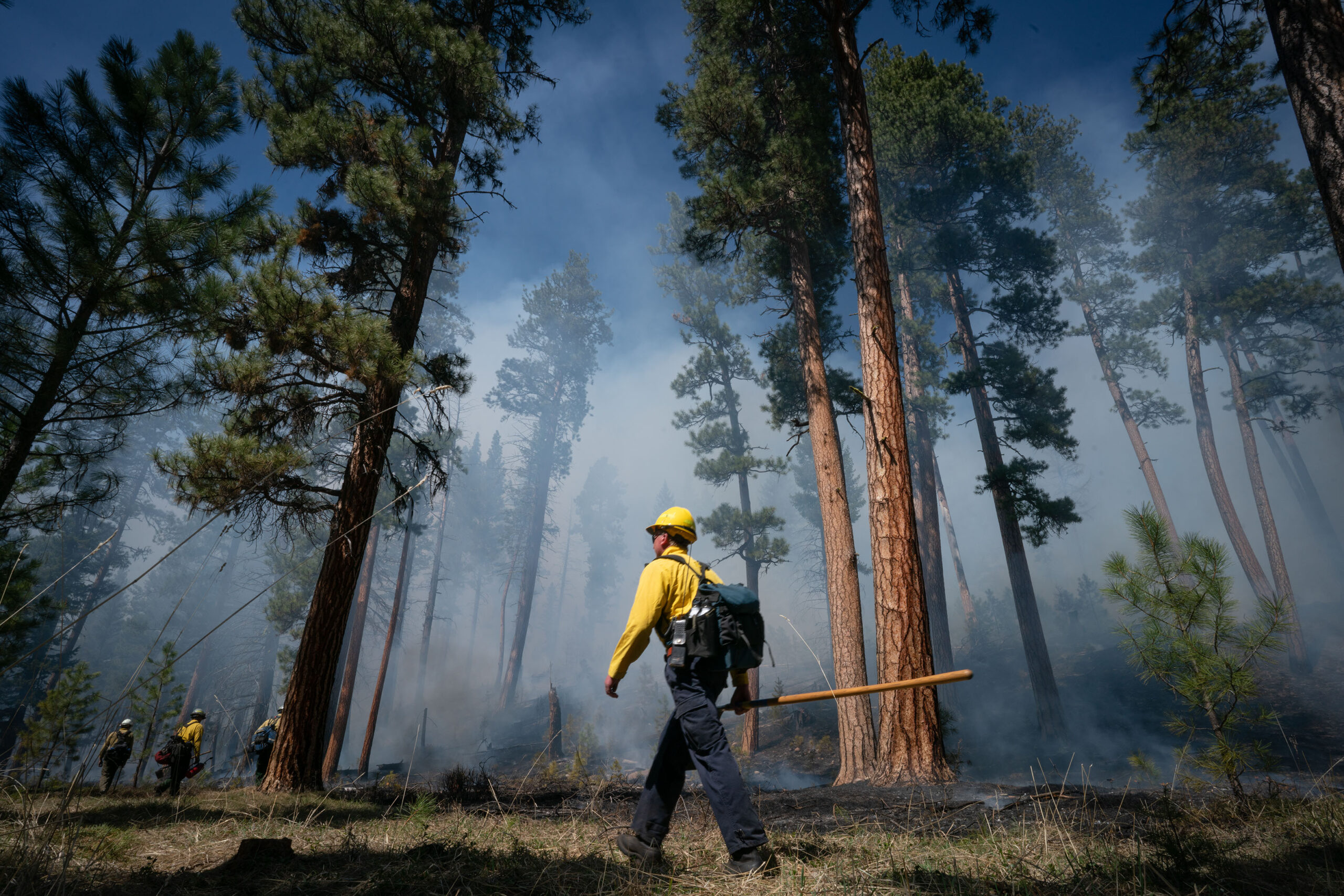
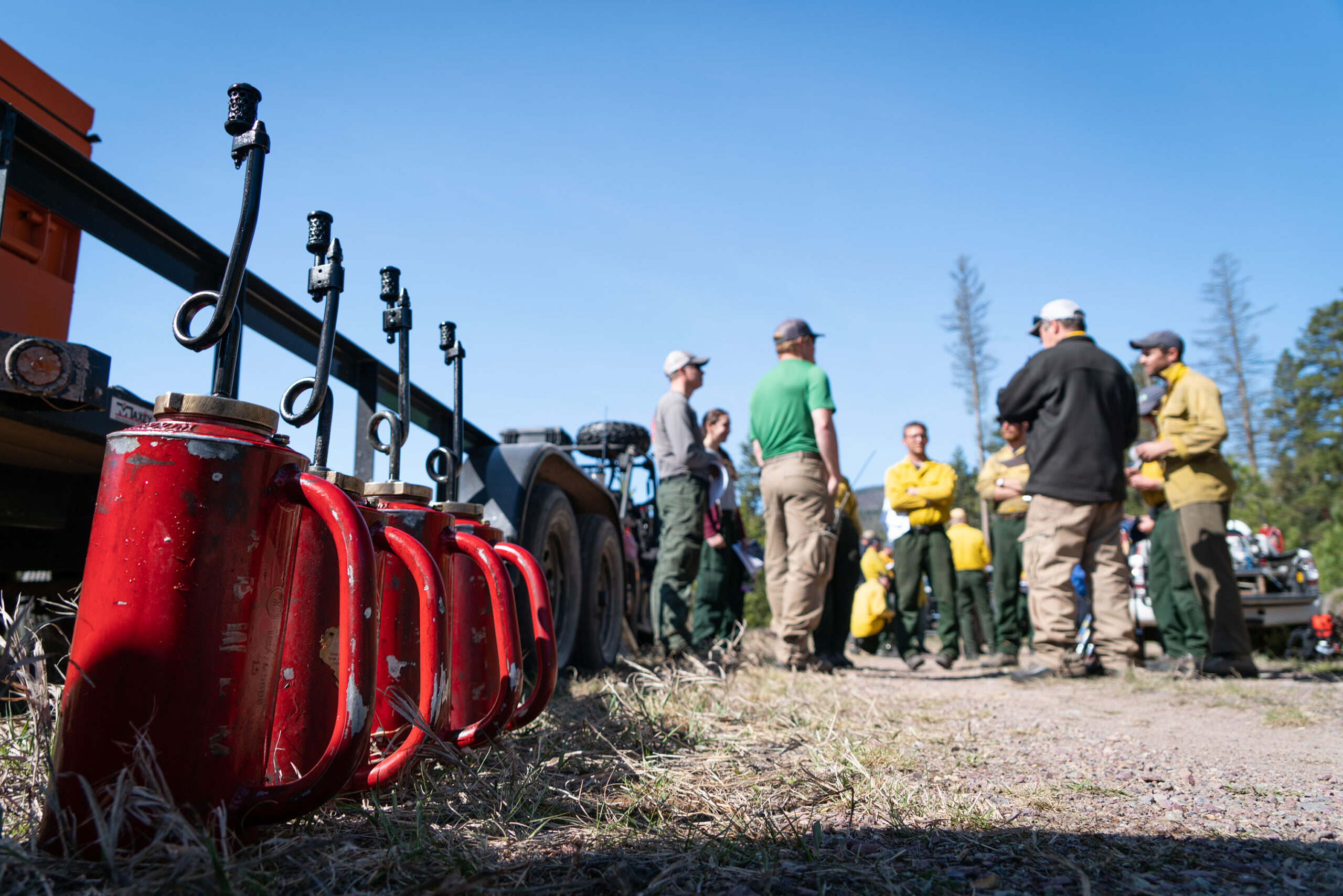
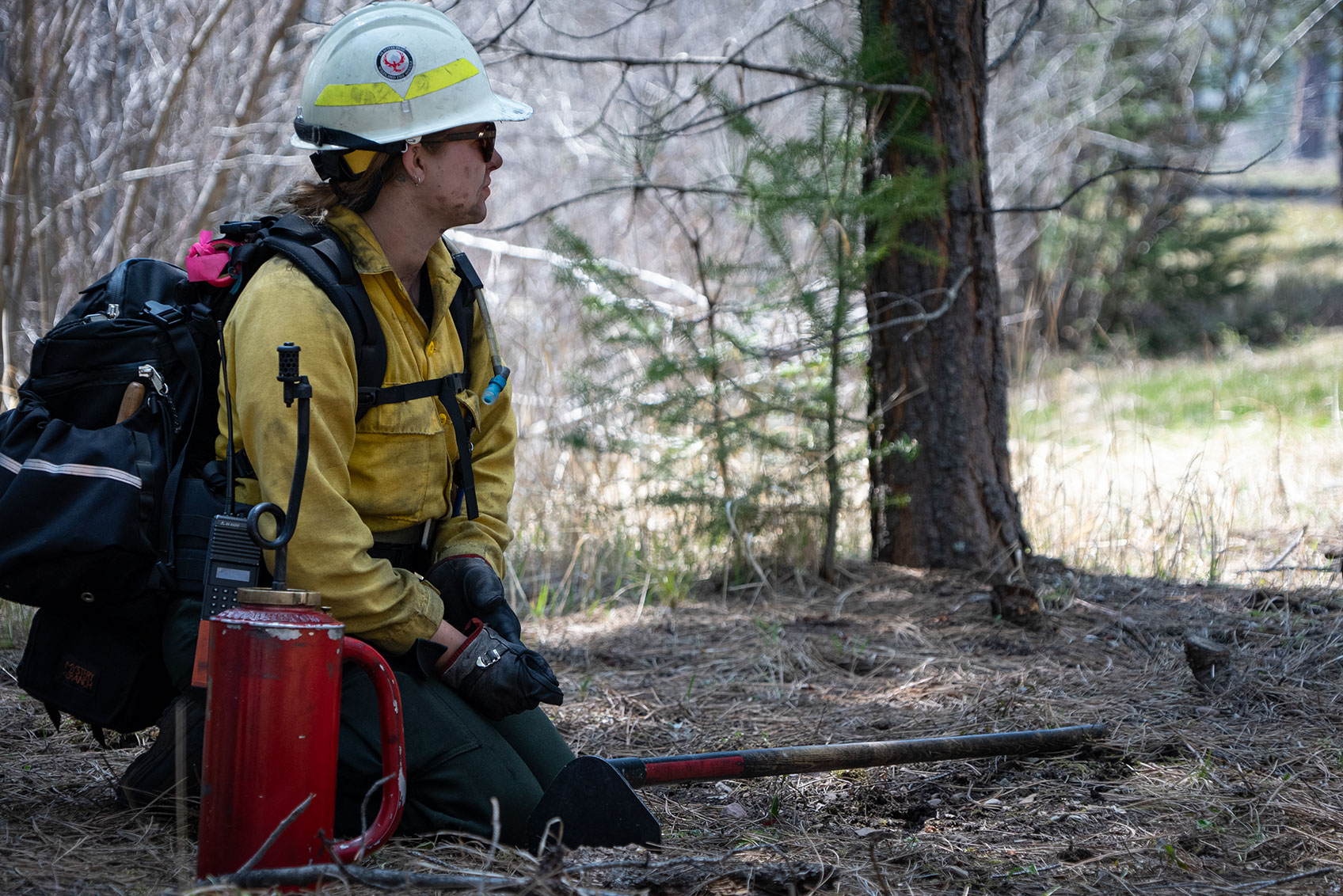
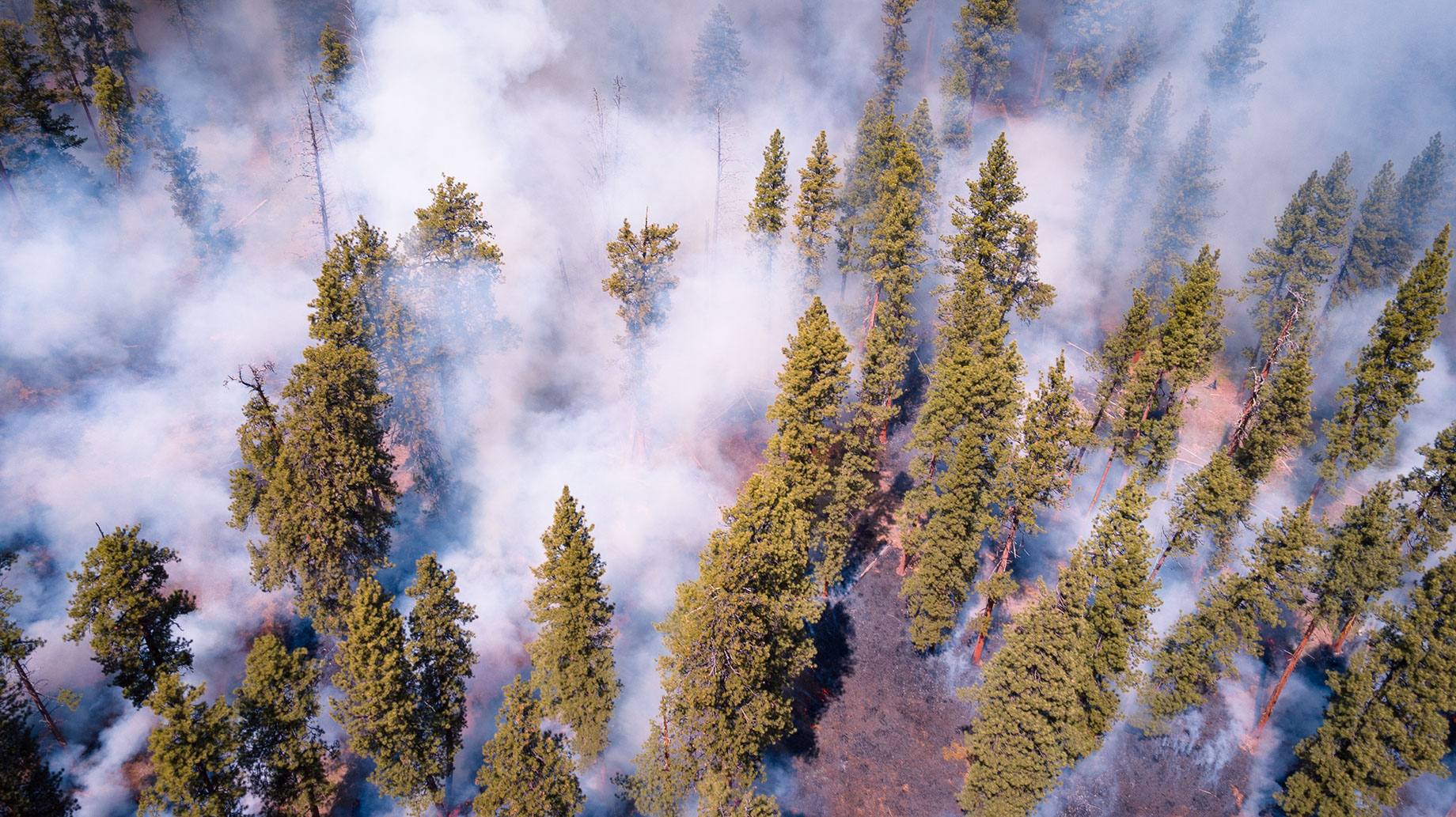
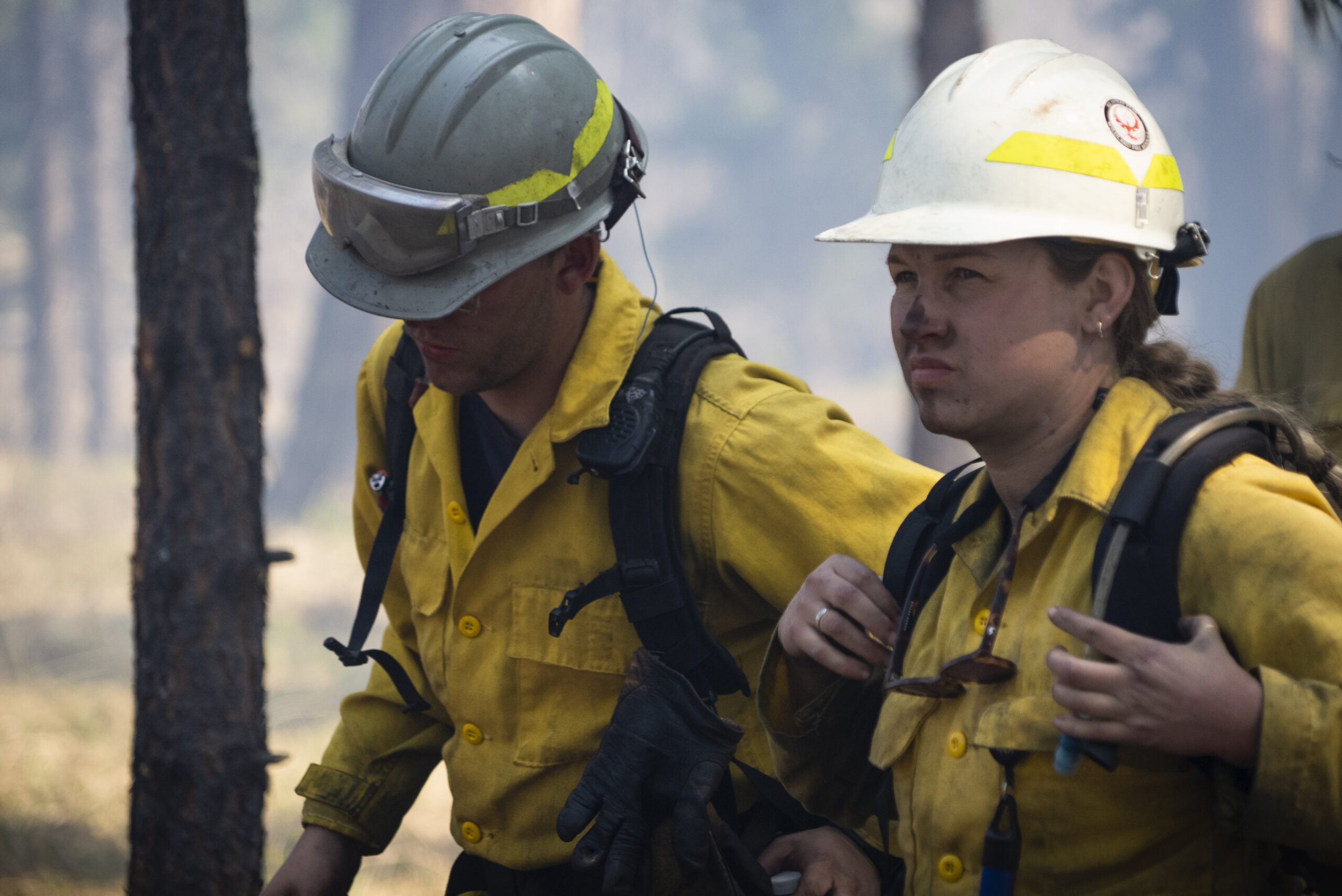
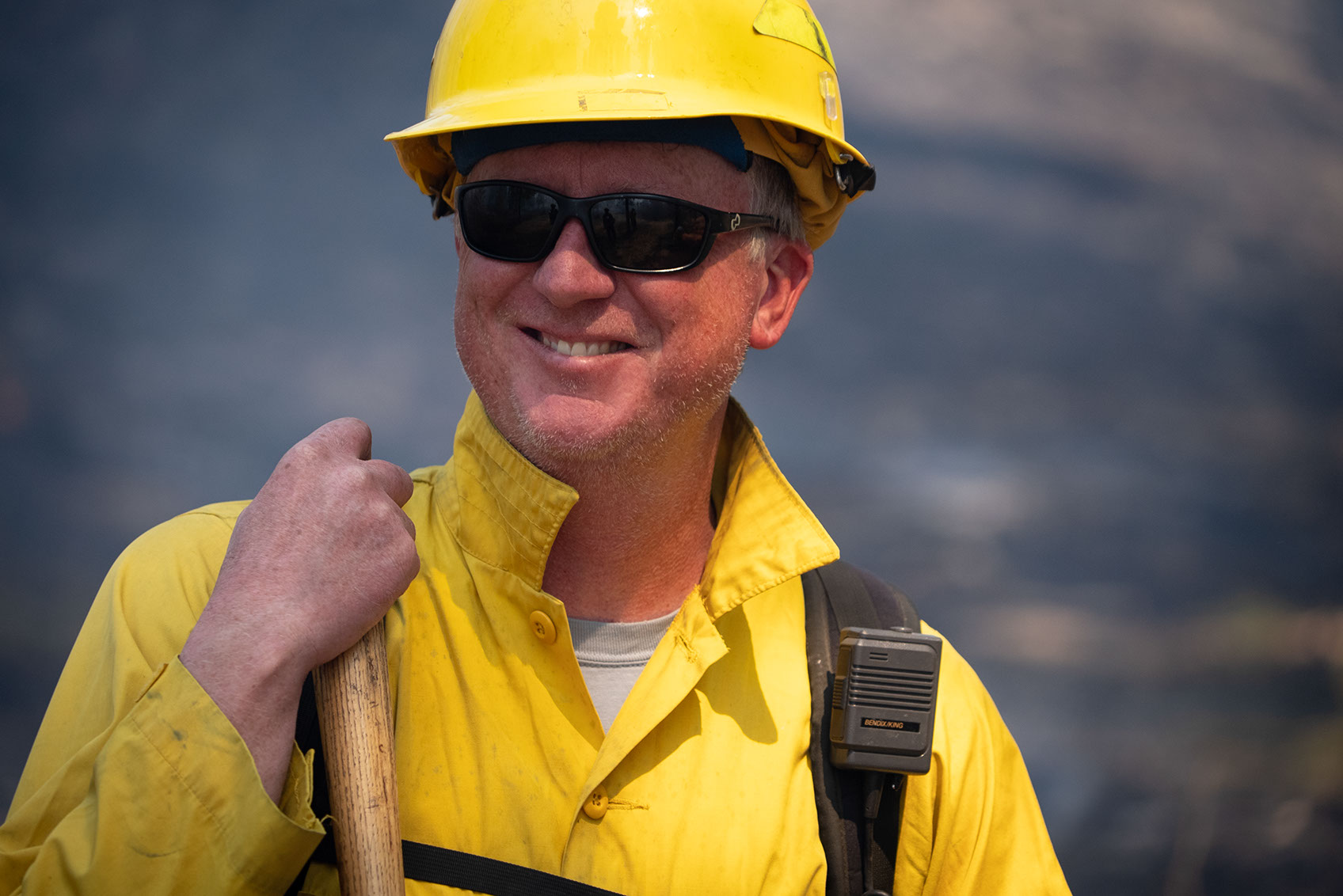
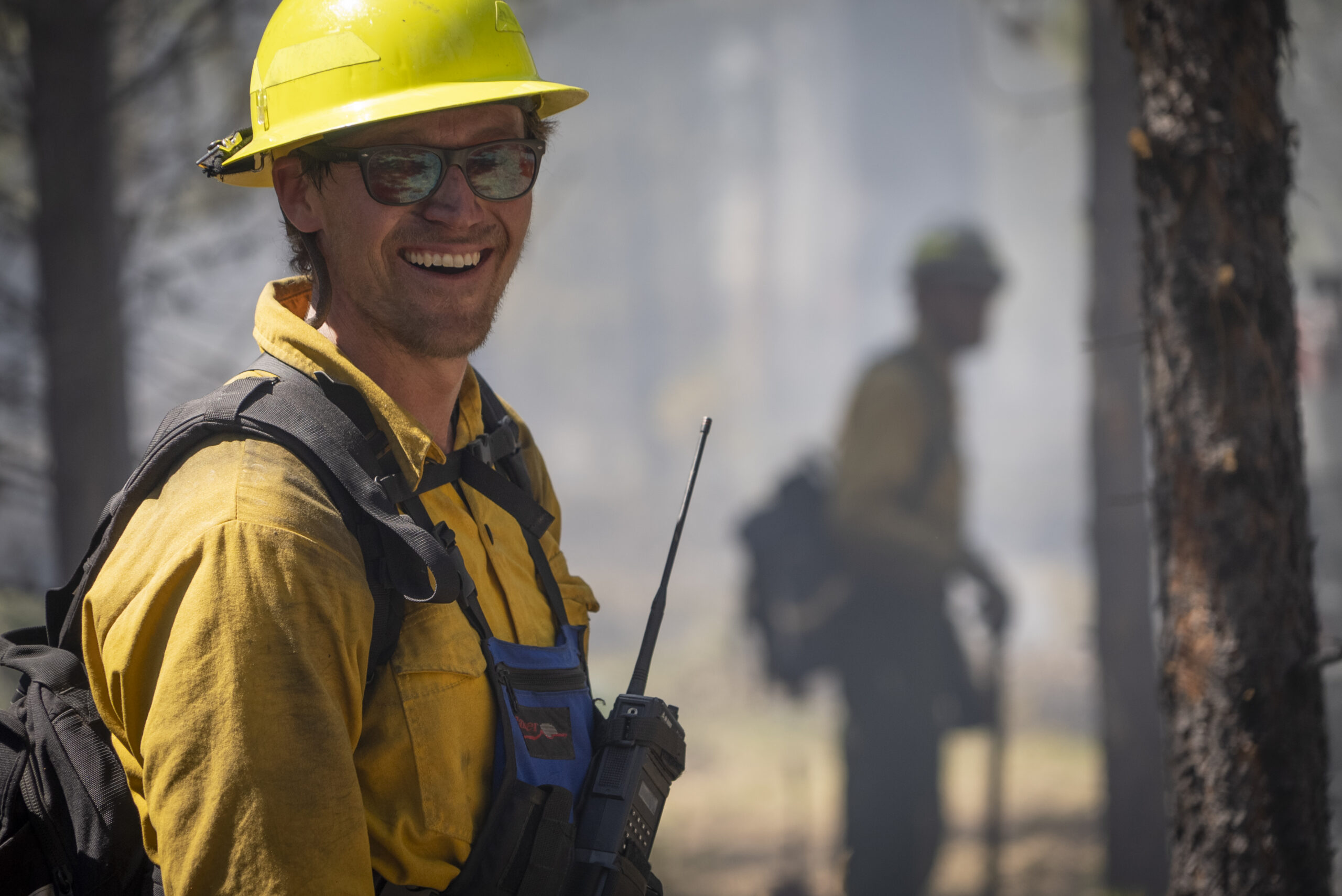
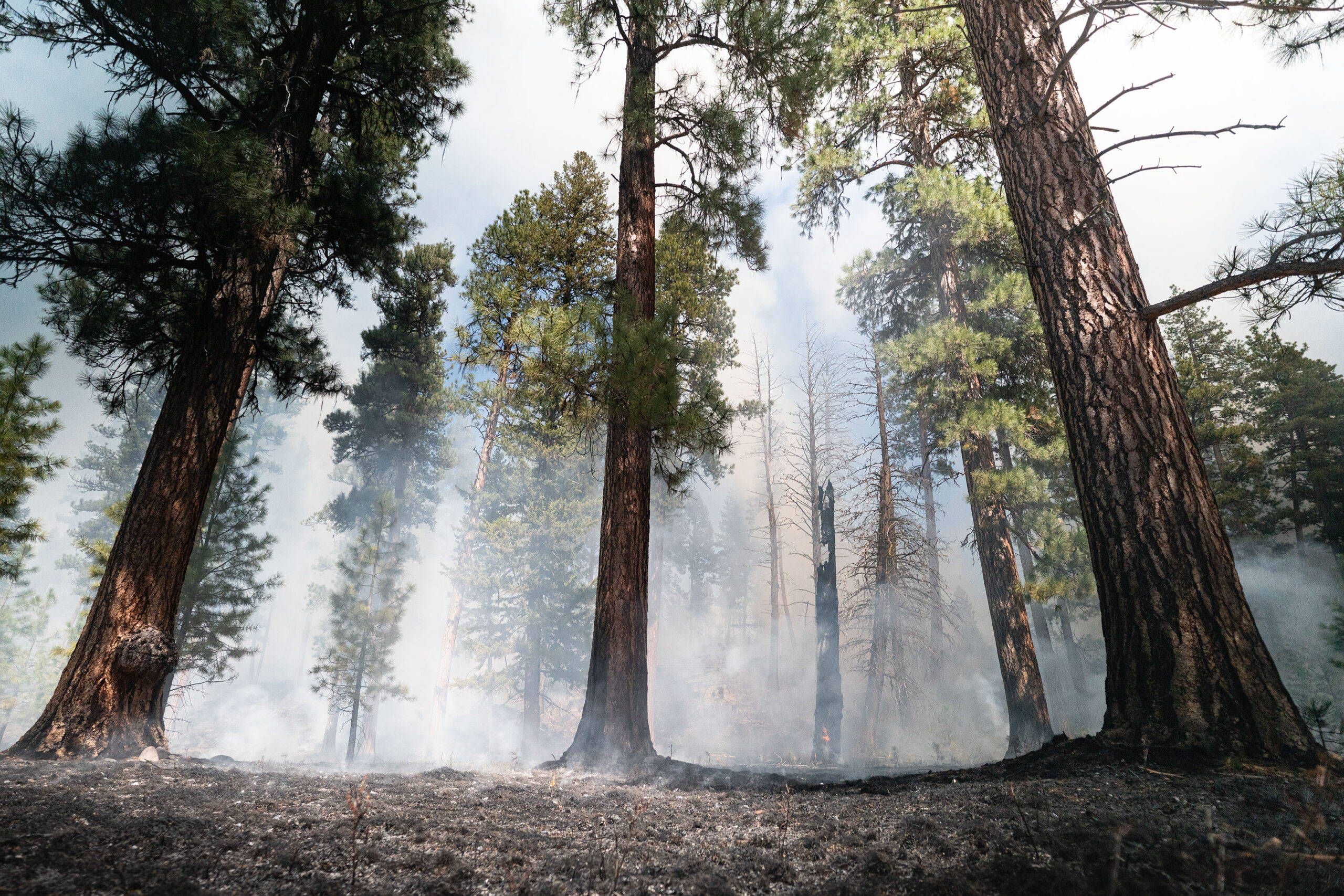
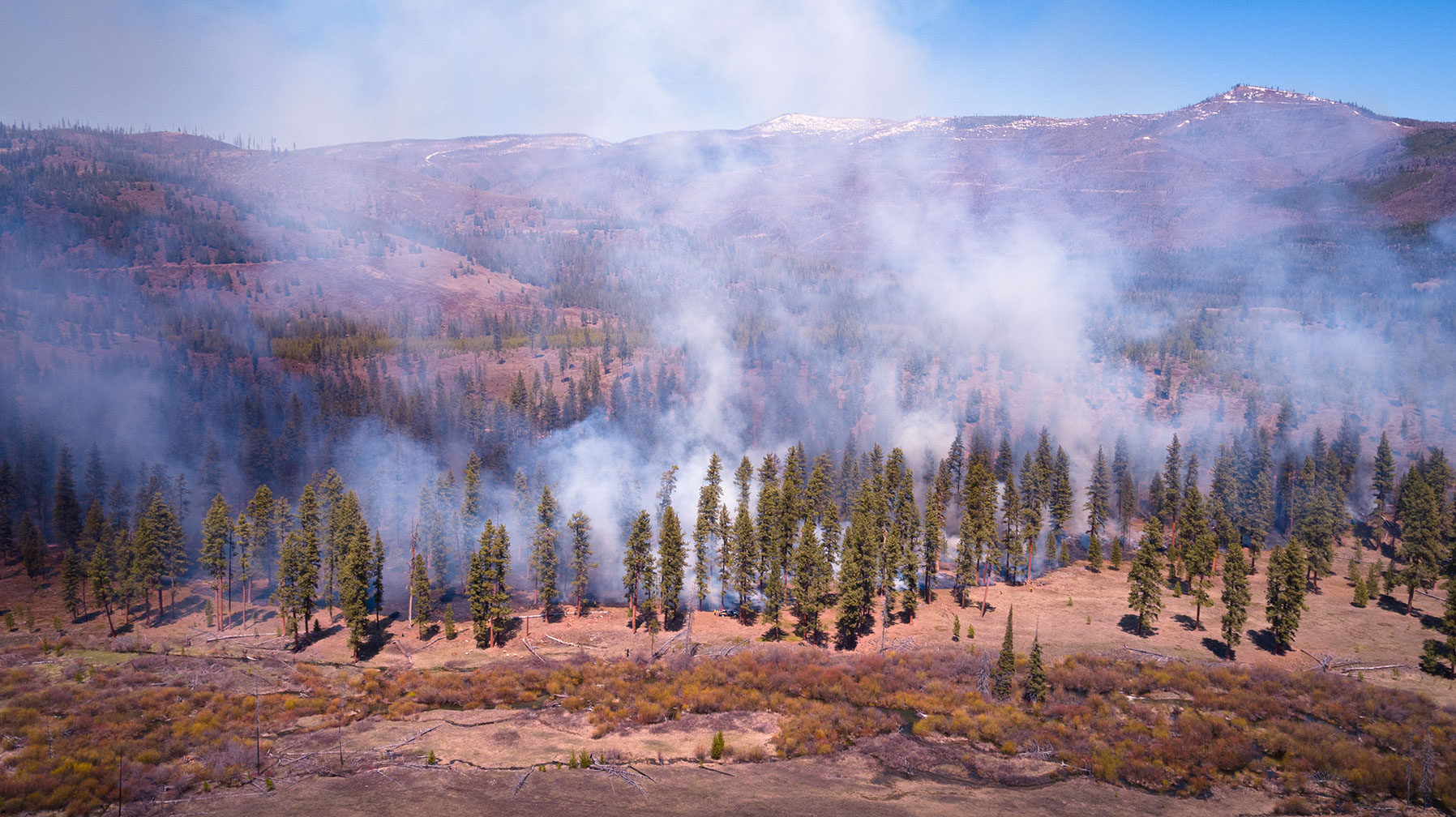
A century of aggressive fire suppression in the United States has disrupted natural fire cycles, allowing forests to grow unnaturally dense and accumulate fuel, increasing the risk of large, high-severity wildfires. At the same time, conifers have expanded into grasslands and sagebrush ecosystems, displacing native habitats. This shift has harmed species like the greater sage-grouse and reduced forage for ranchers, undermining both biodiversity and rural livelihoods.
What is “conifer expansion”? In short, our insatiable need to suppress wildfires over the last 150 years has resulted ecosystem chaos, and one of the many fallouts has been the expansion of tree populations into once-treeless ecosystems like grasslands and sagebrush steppe. Prior to fire suppression, the natural cycle of wildfire would keep forest margins in check, but now open, treeless ecosystems are disappearing quickly. The problem is contributing to the loss of unique ecosystems, and ultimately contributing to the listing of species like the sage grouse and the lesser prairie chicken. Paradoxically, just letting fire have free reign again through these new forests is problematic (high burn severity, weed spread, erosion, etc) so one of the simplest conservation efforts is first manually cutting back the young margins of the forest manually to their historic, fire-maintained boundaries. Then fire can be reintroduced, but in the meantime, there’s work to be done on millions of acres.
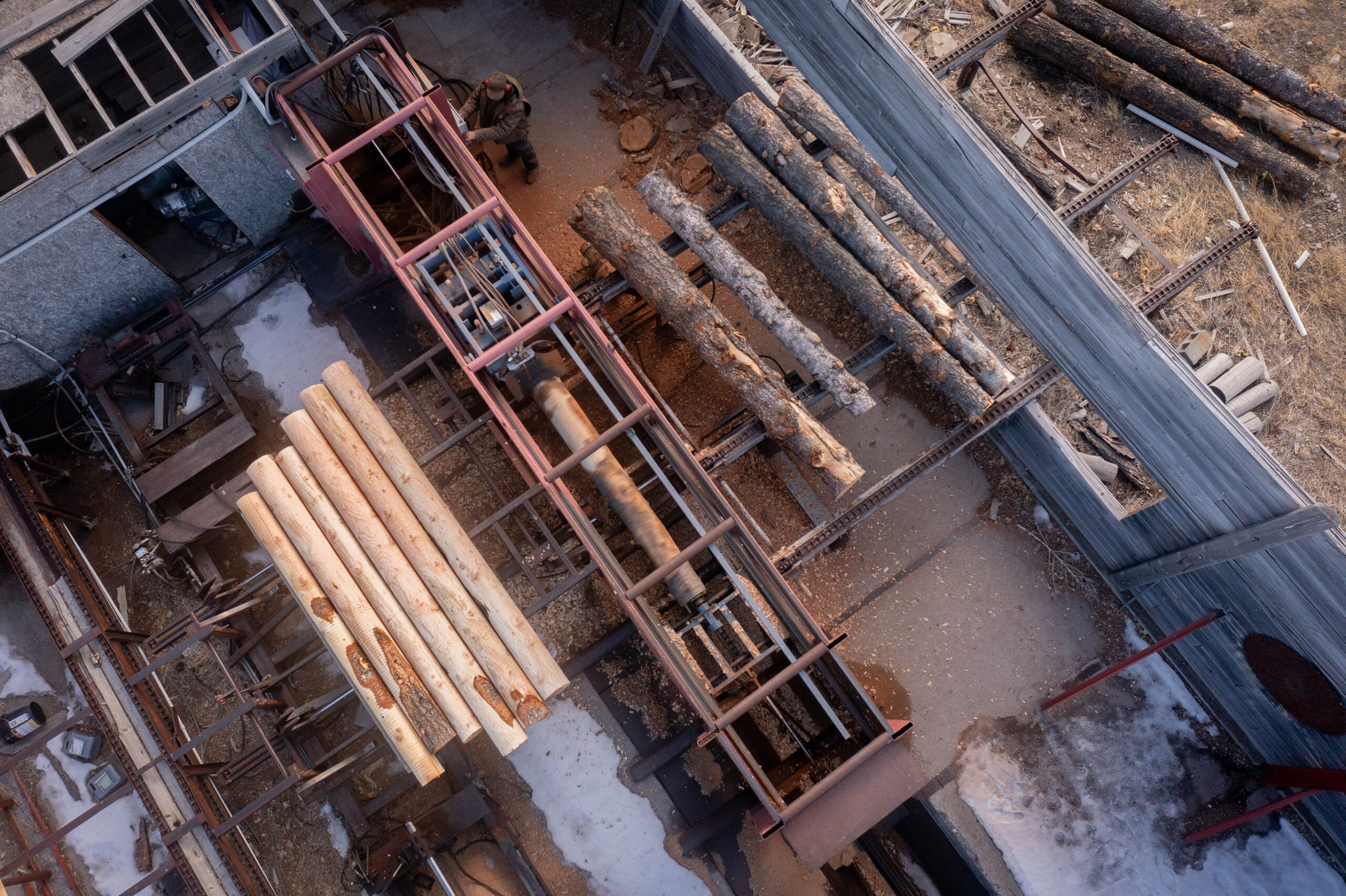
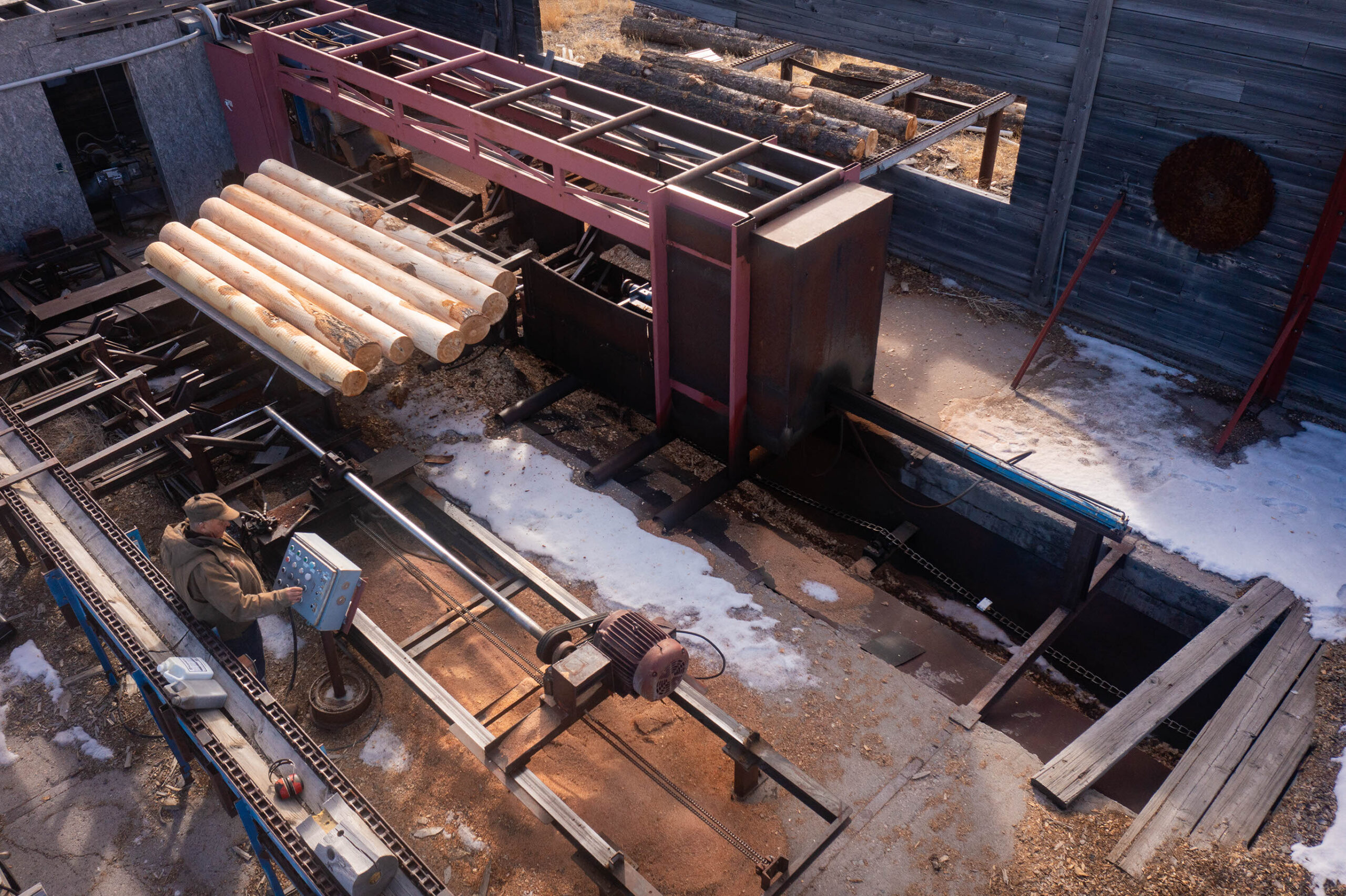
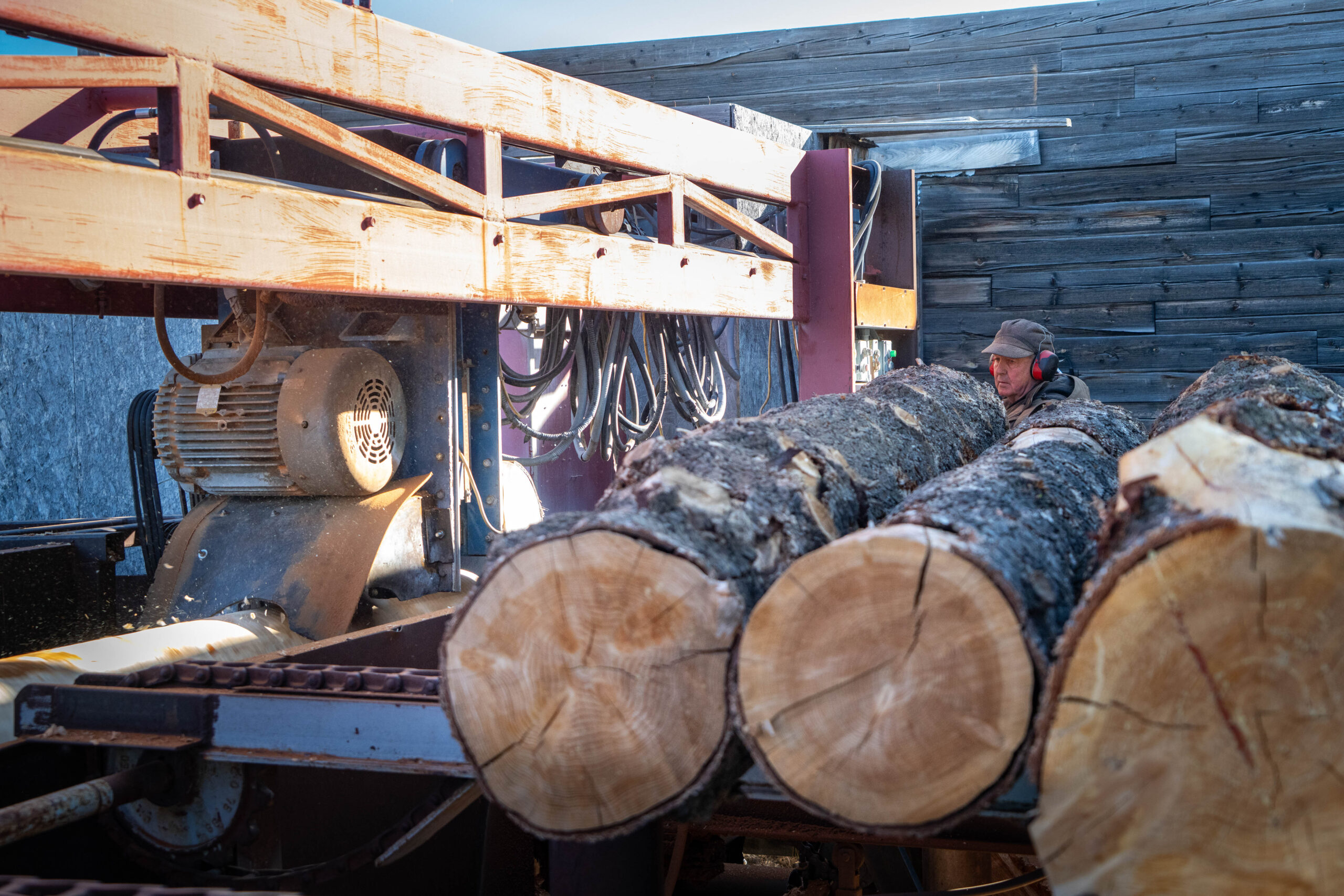
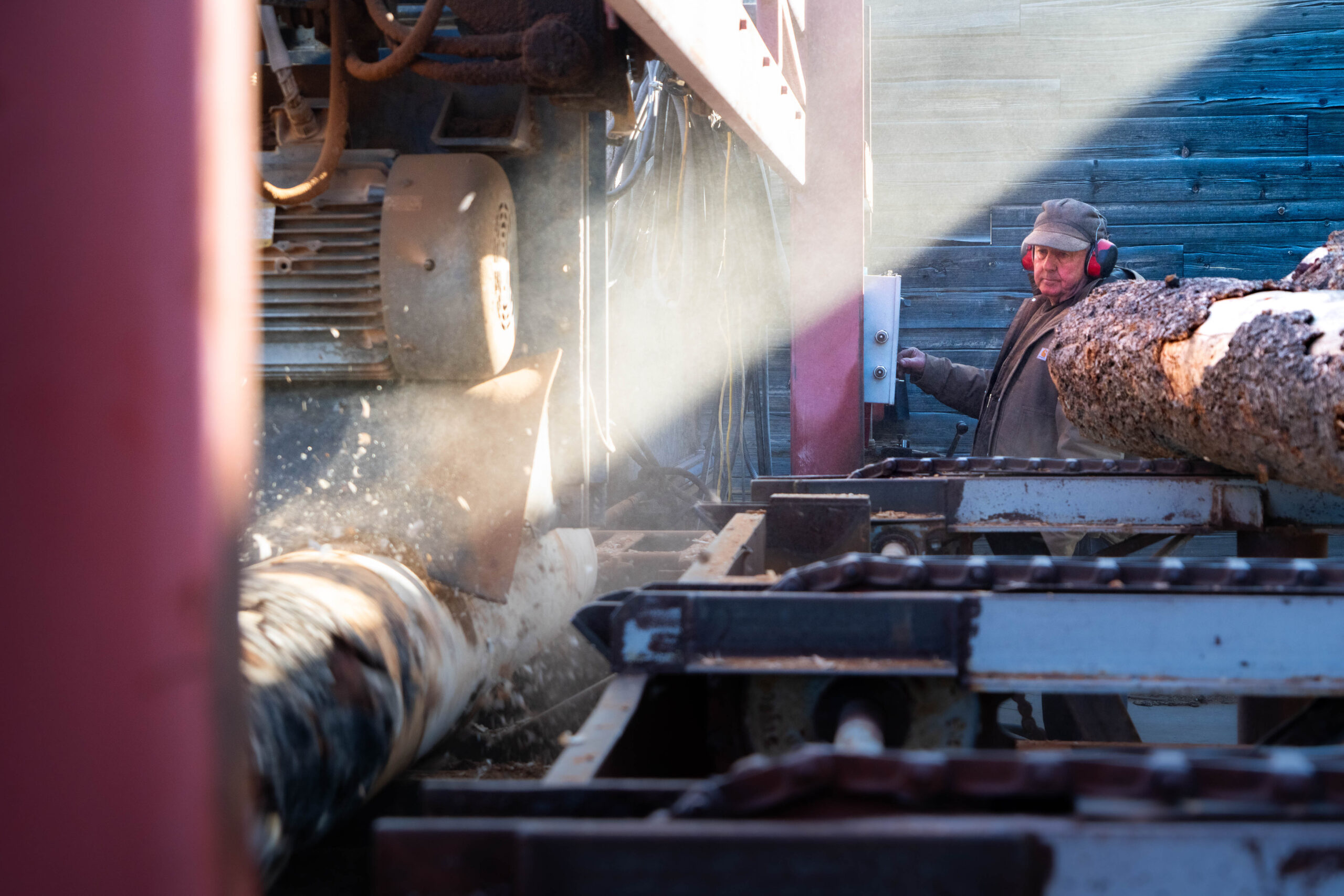
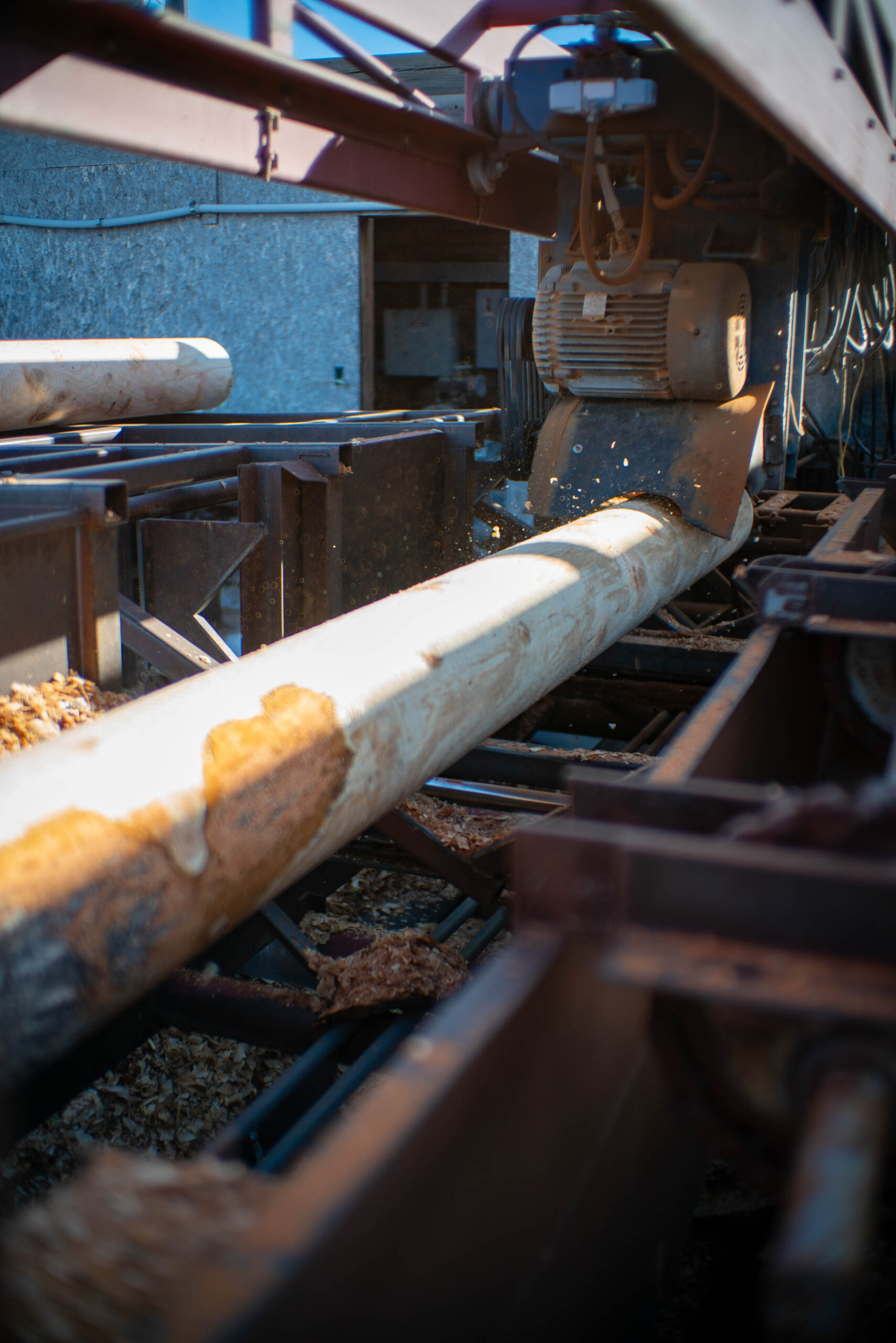
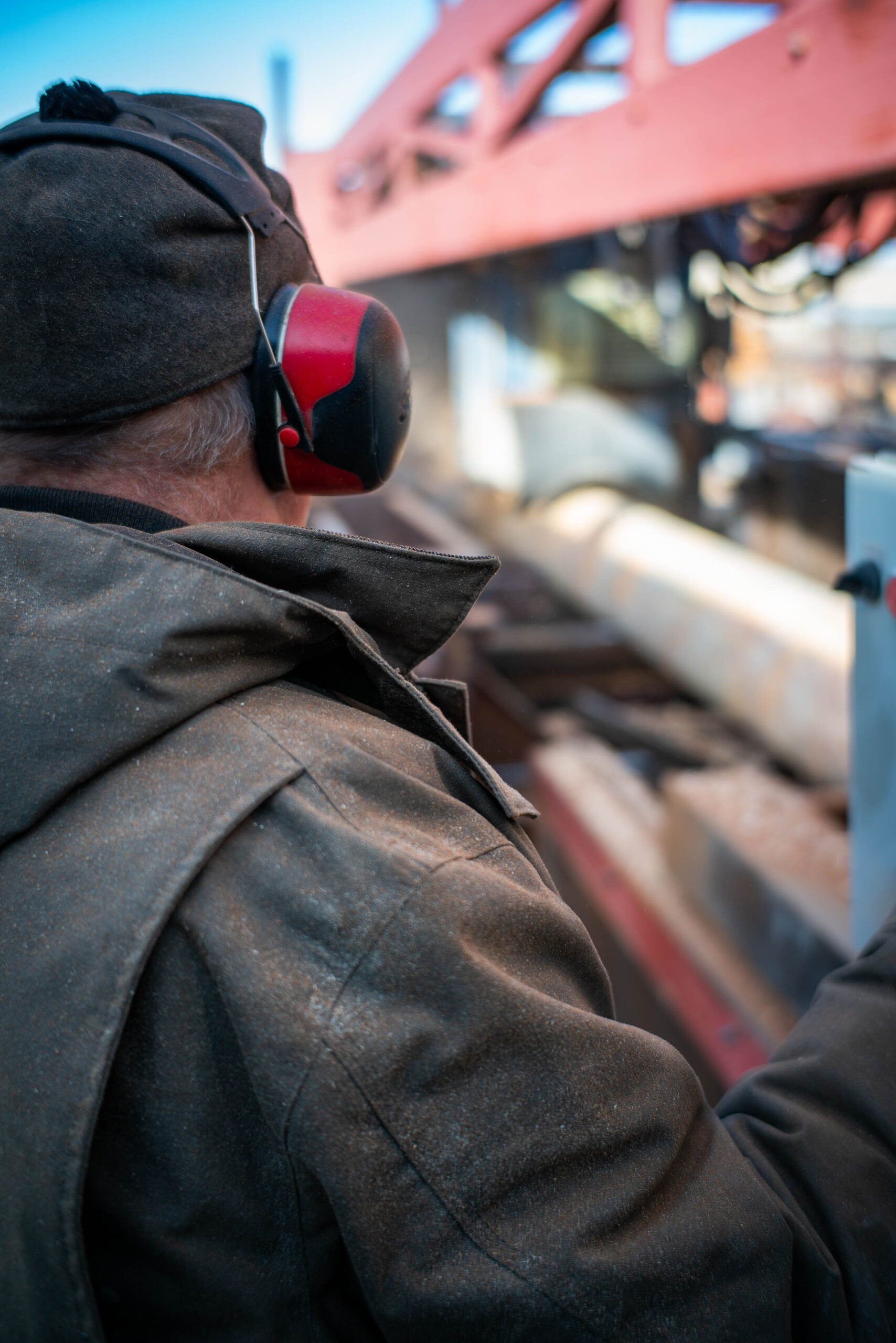
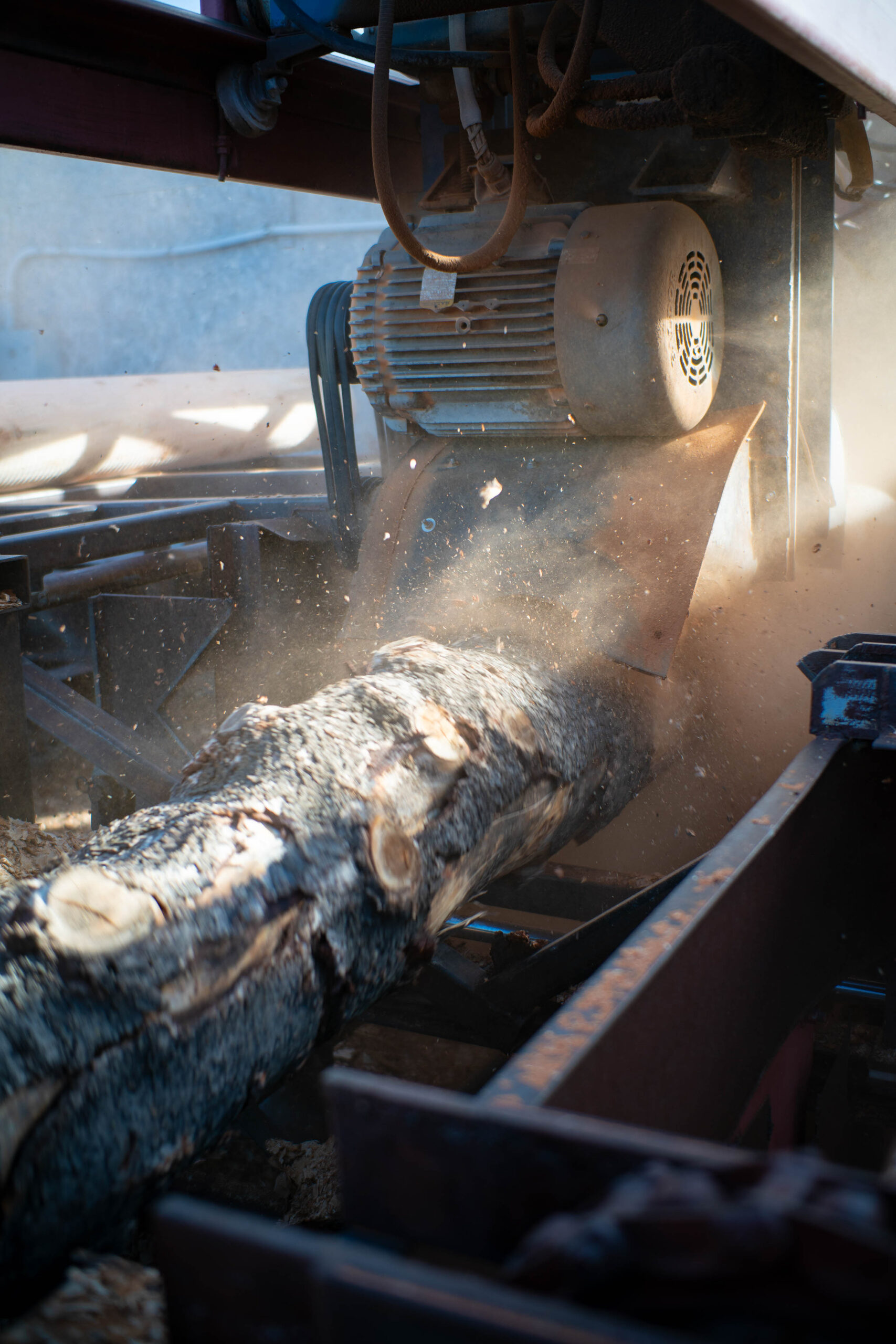
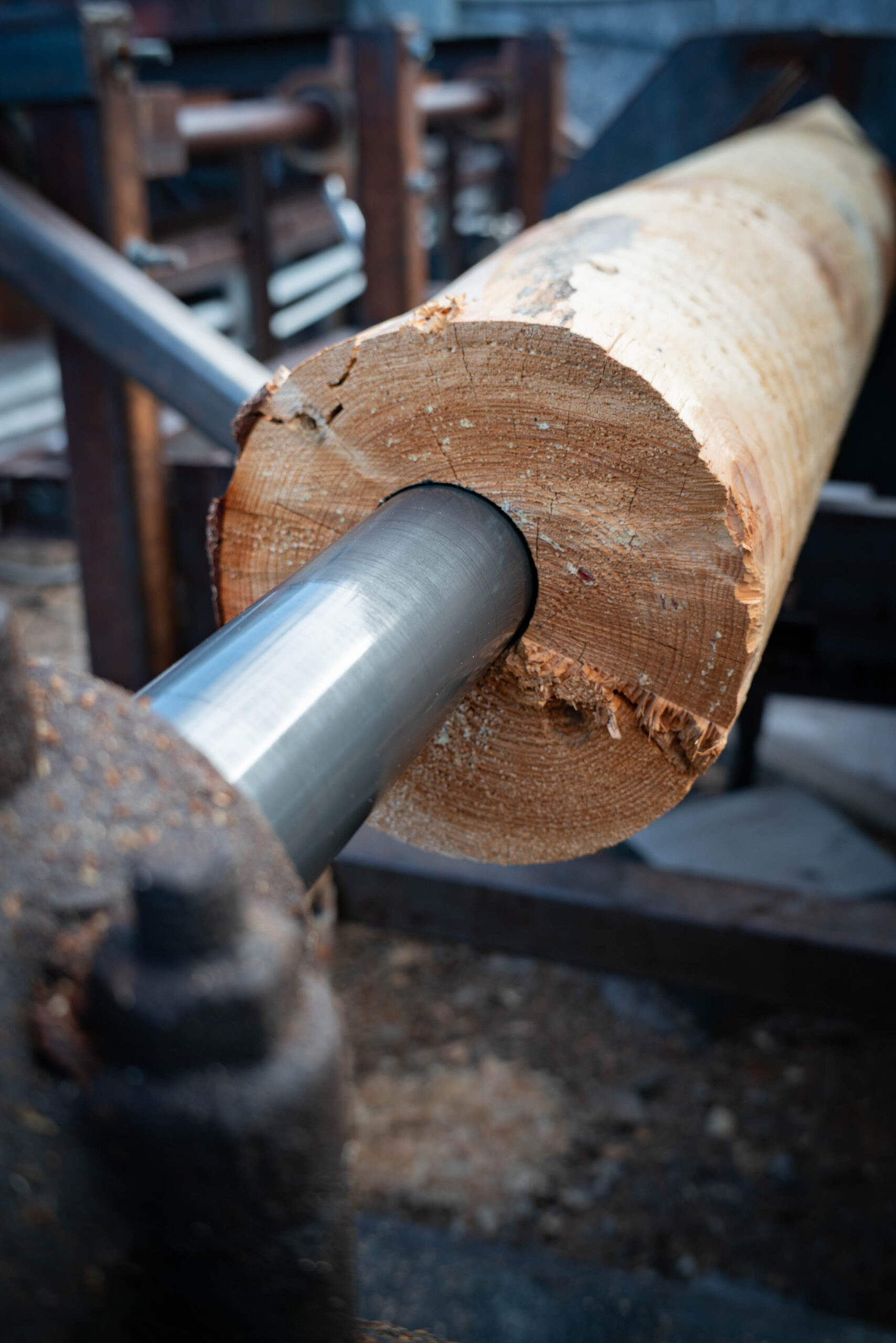
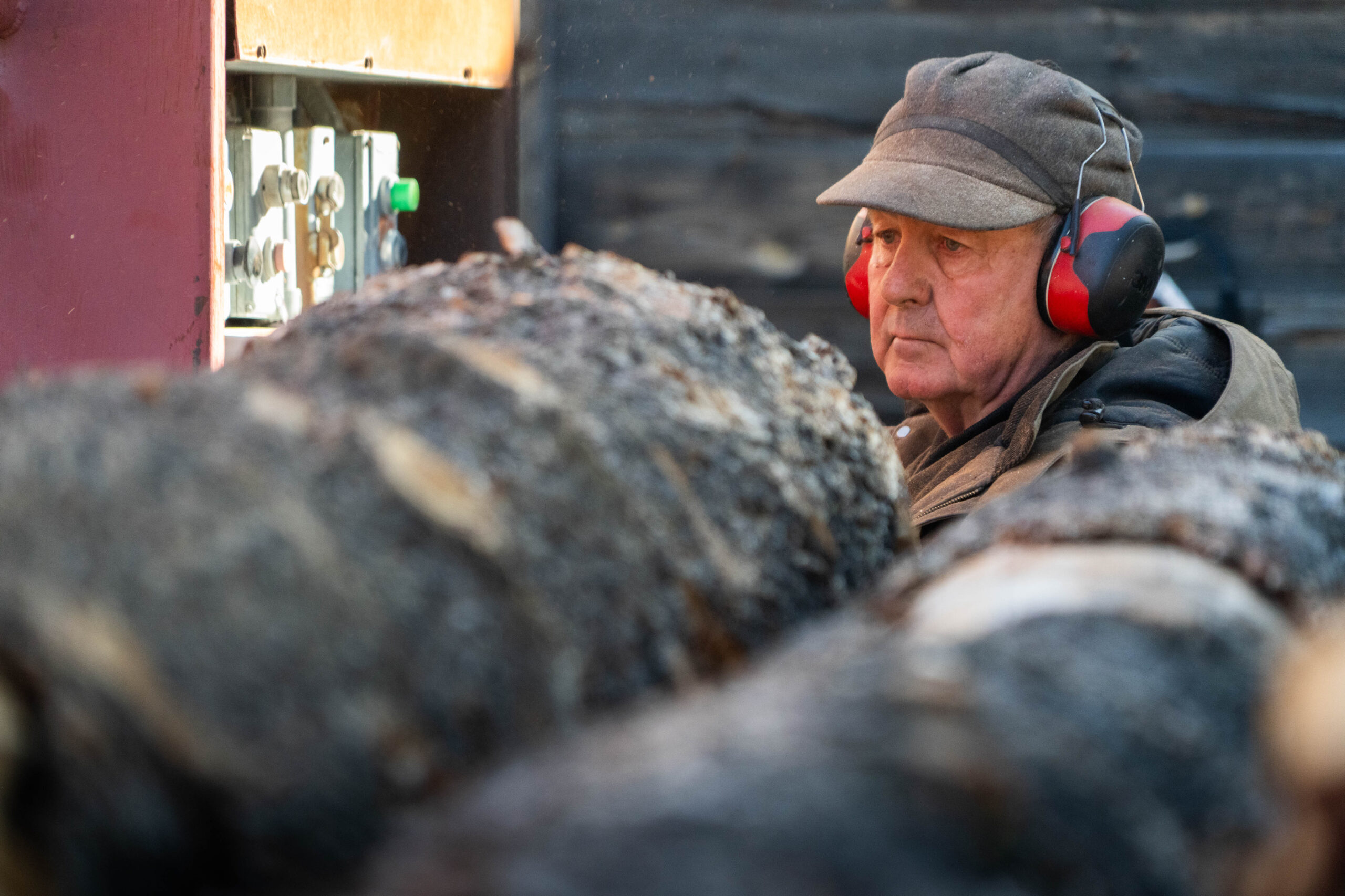
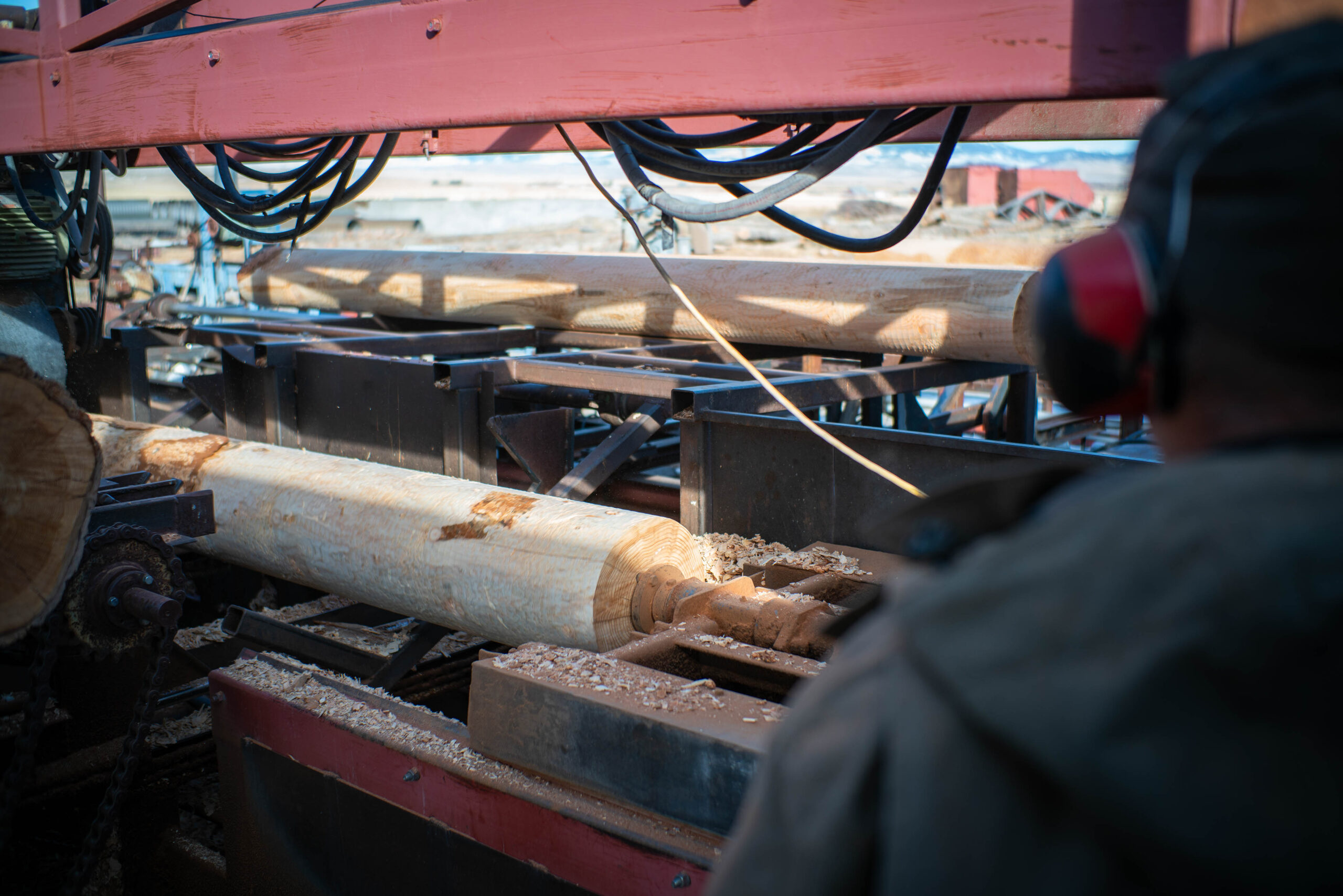
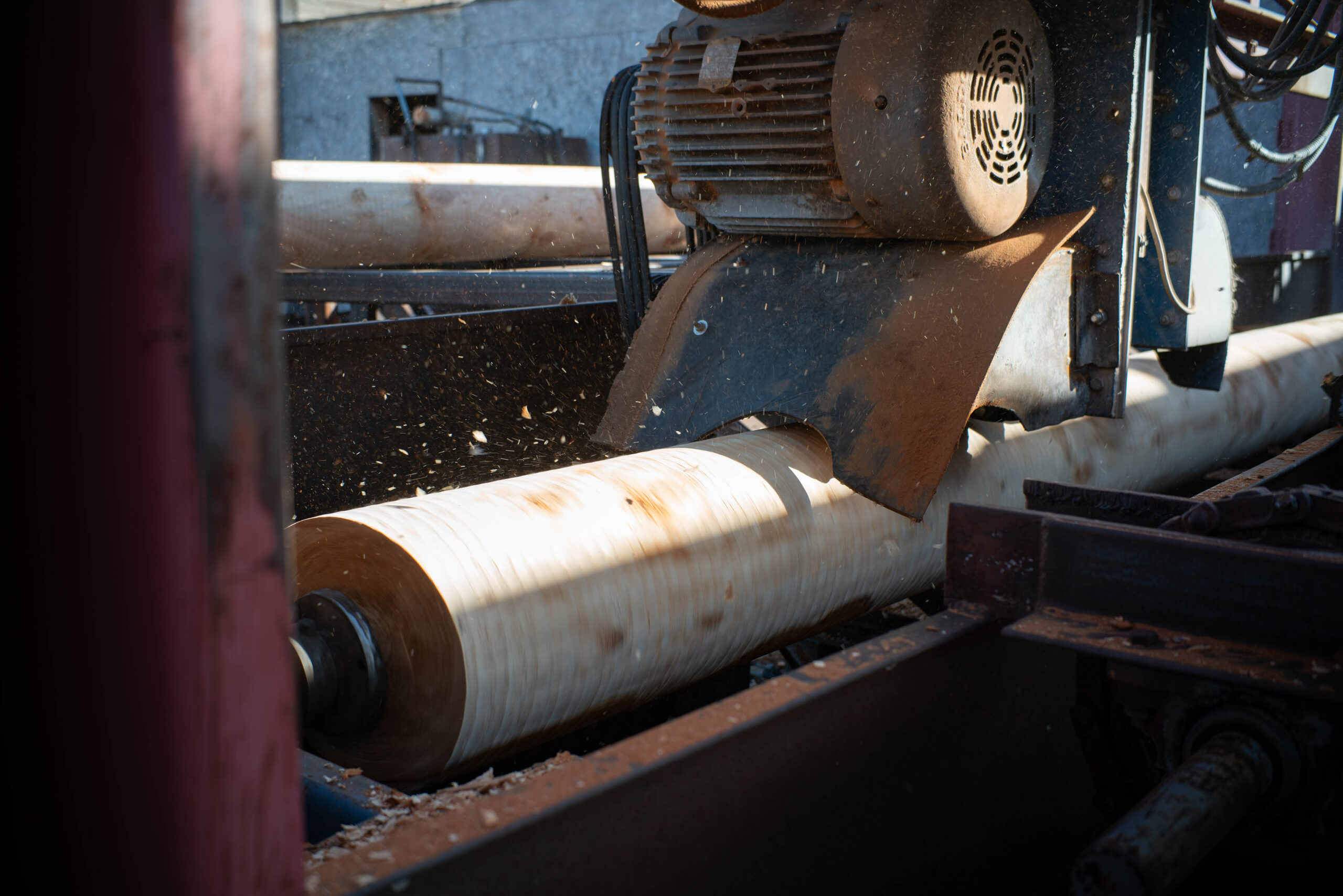
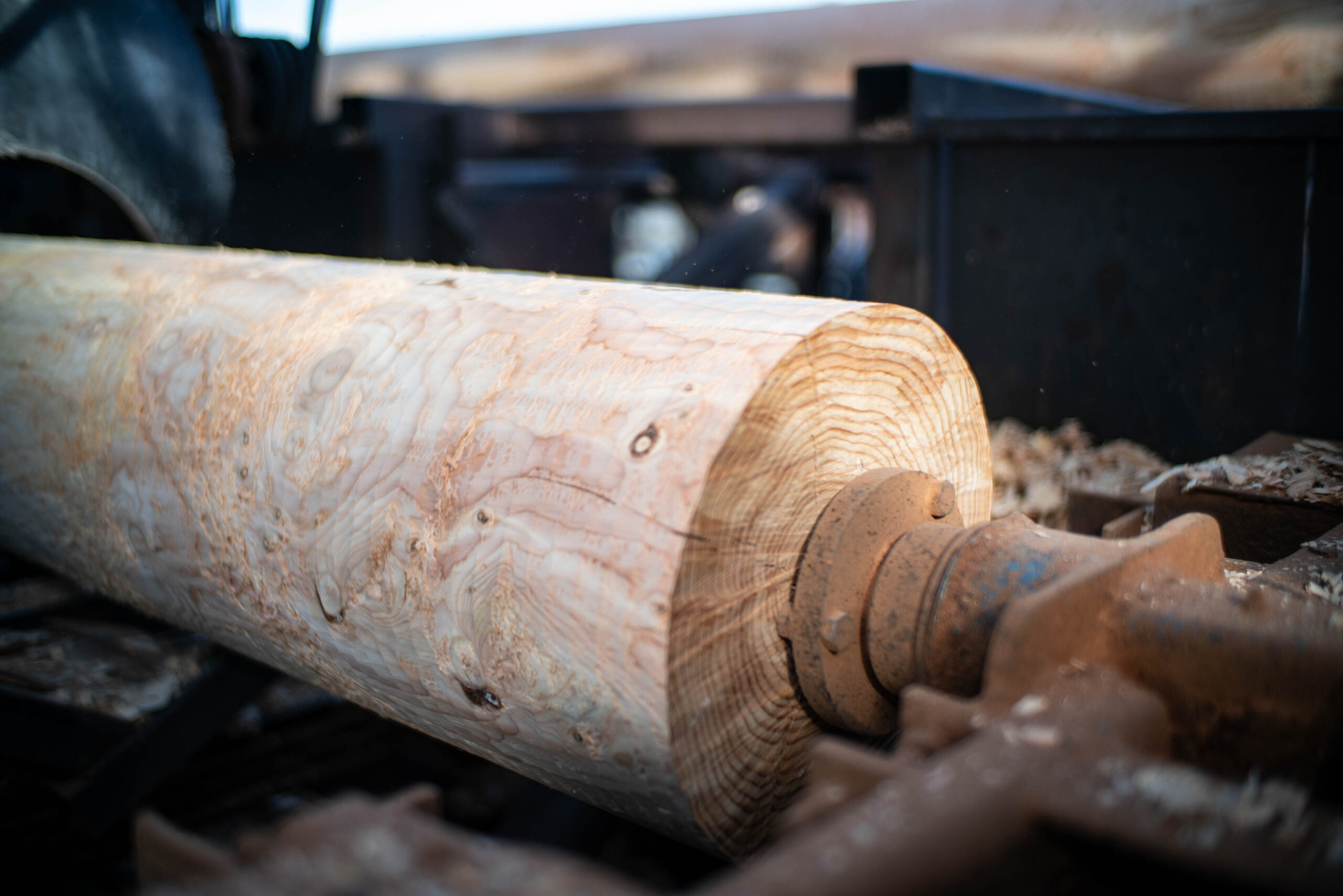
Usually these masses of tiny trees are then burned, but in some cases the trees are 40-50 years old now. These older trees are typically scrappy and have no market, but some small rural mills will work with them, making smaller boards, fence posts, and occasionally short house logs.
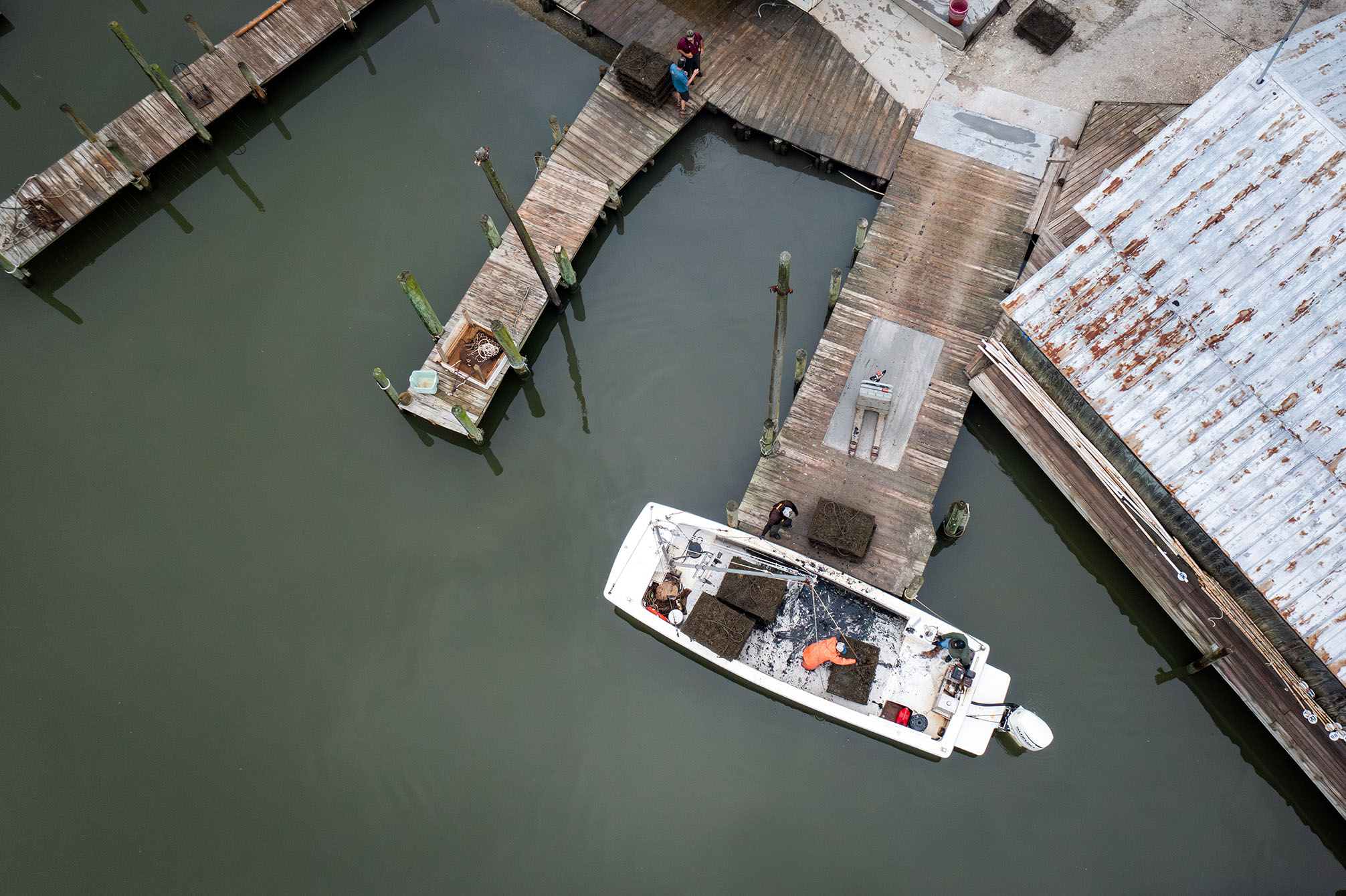
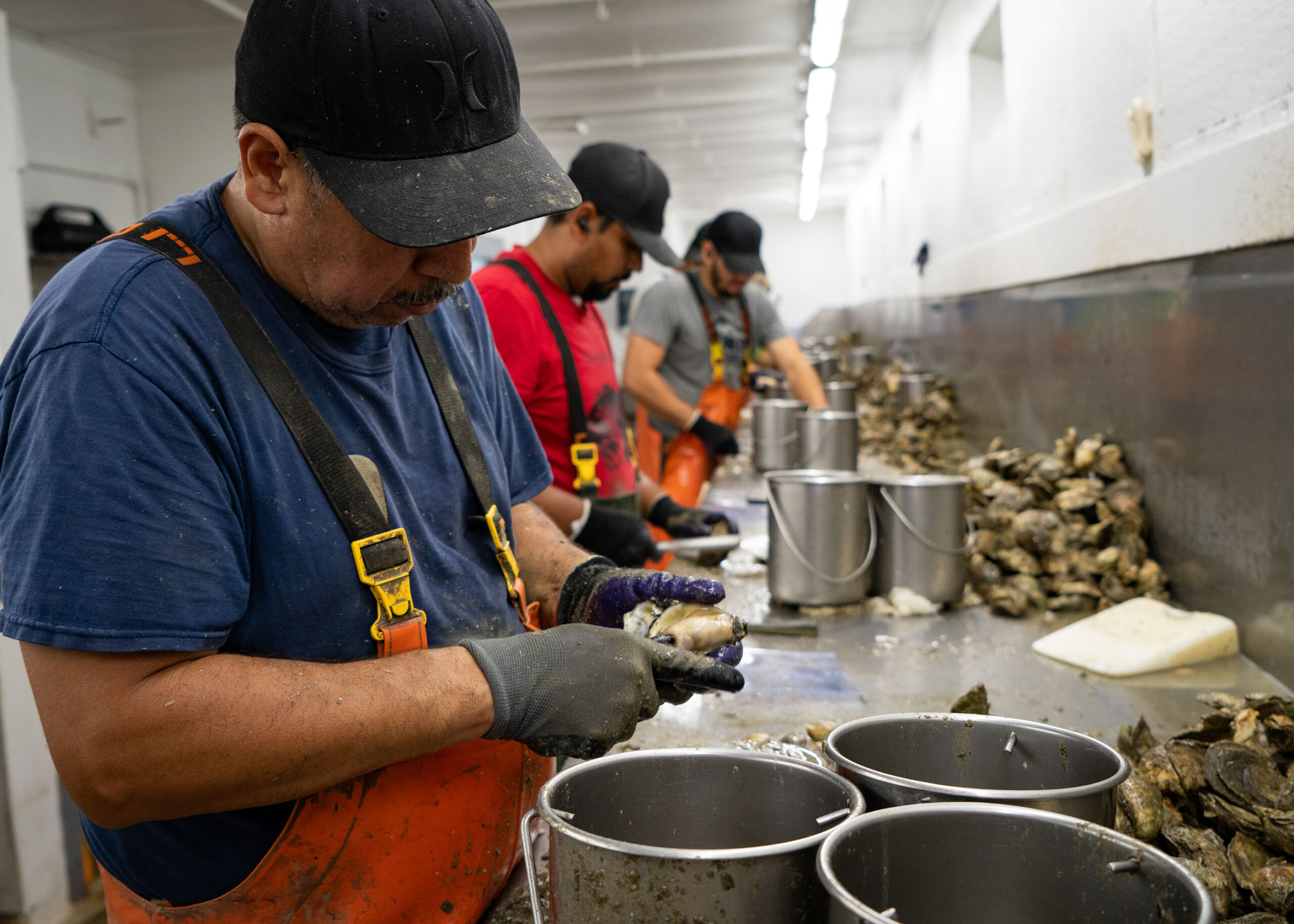
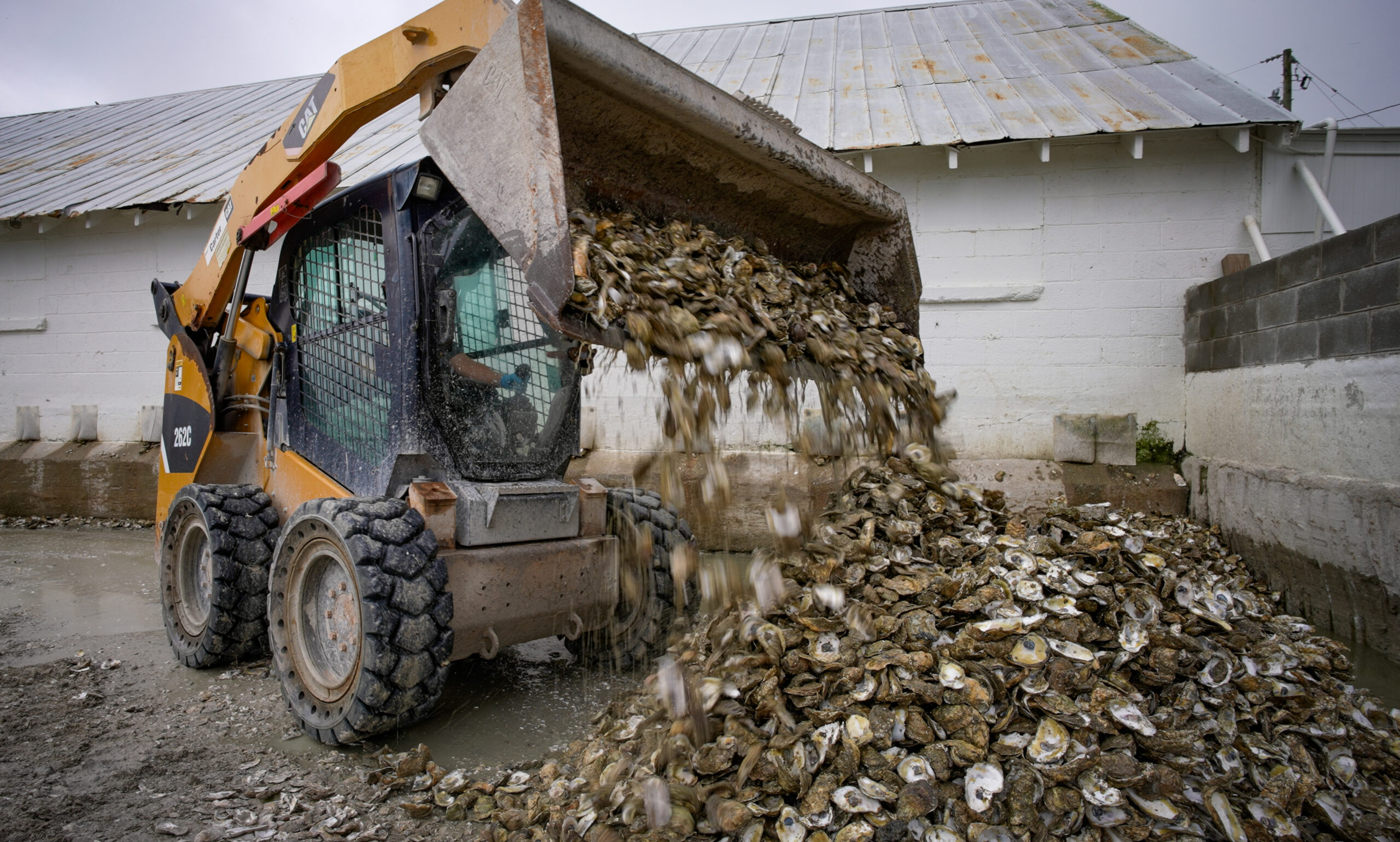
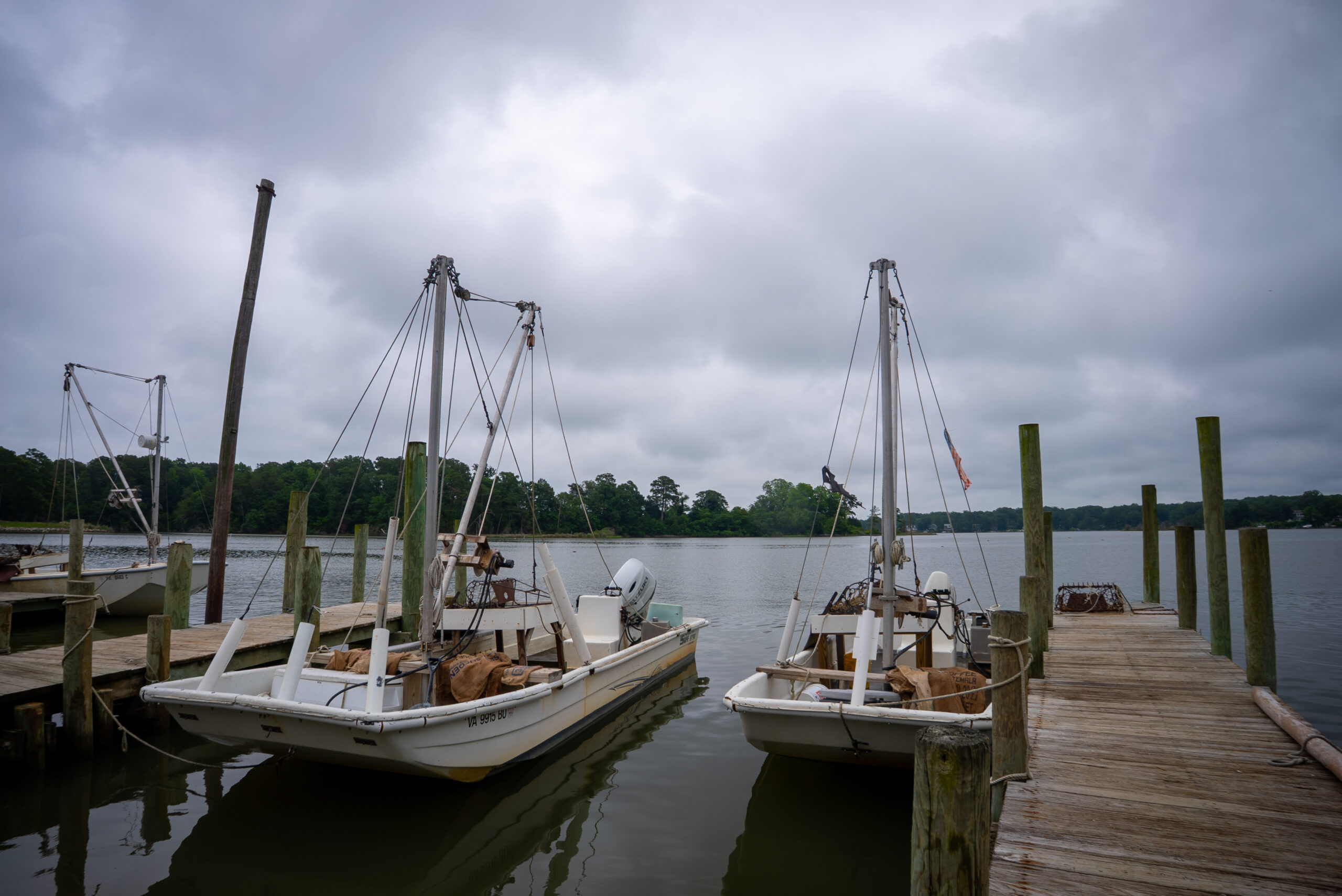
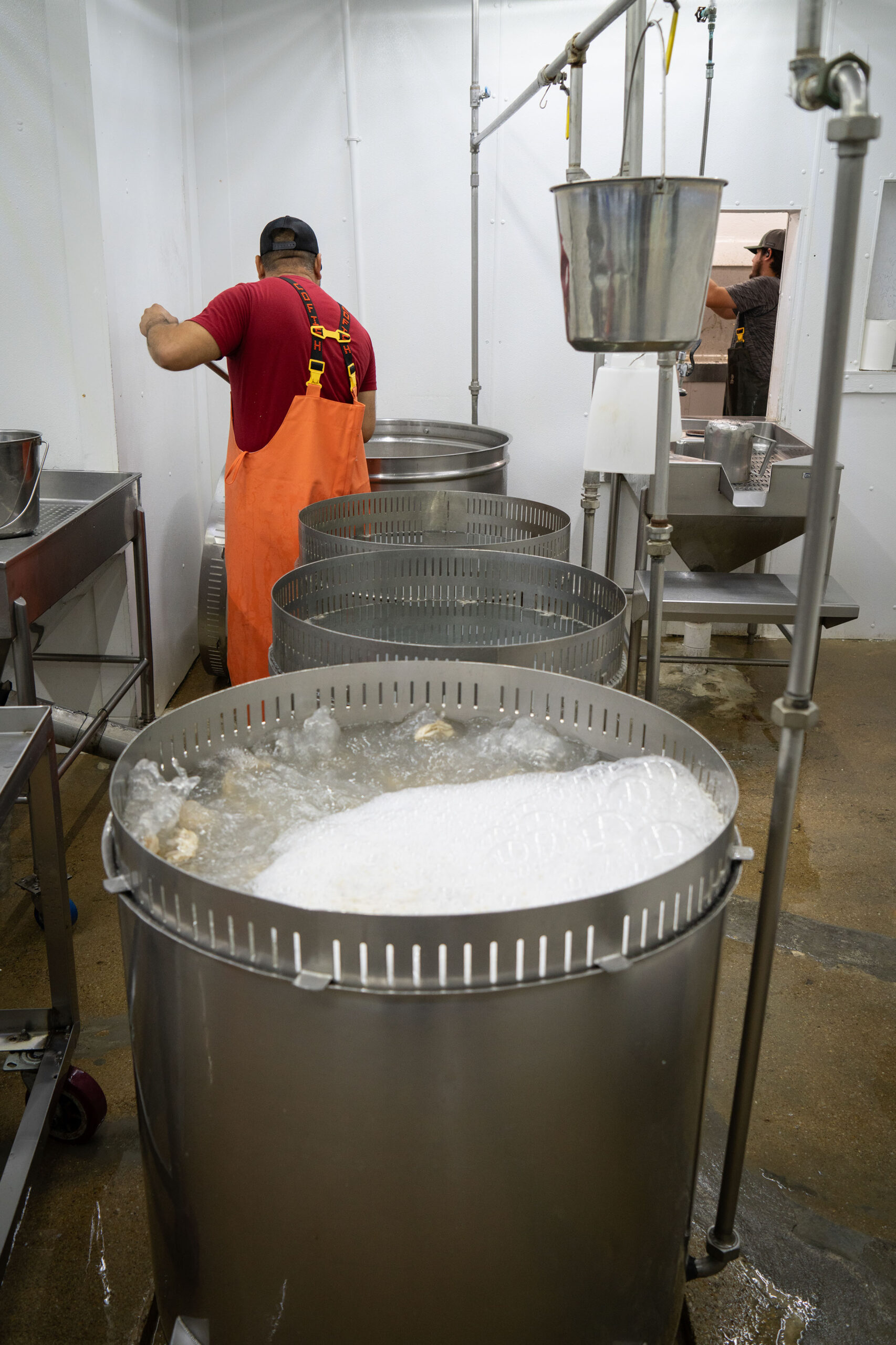
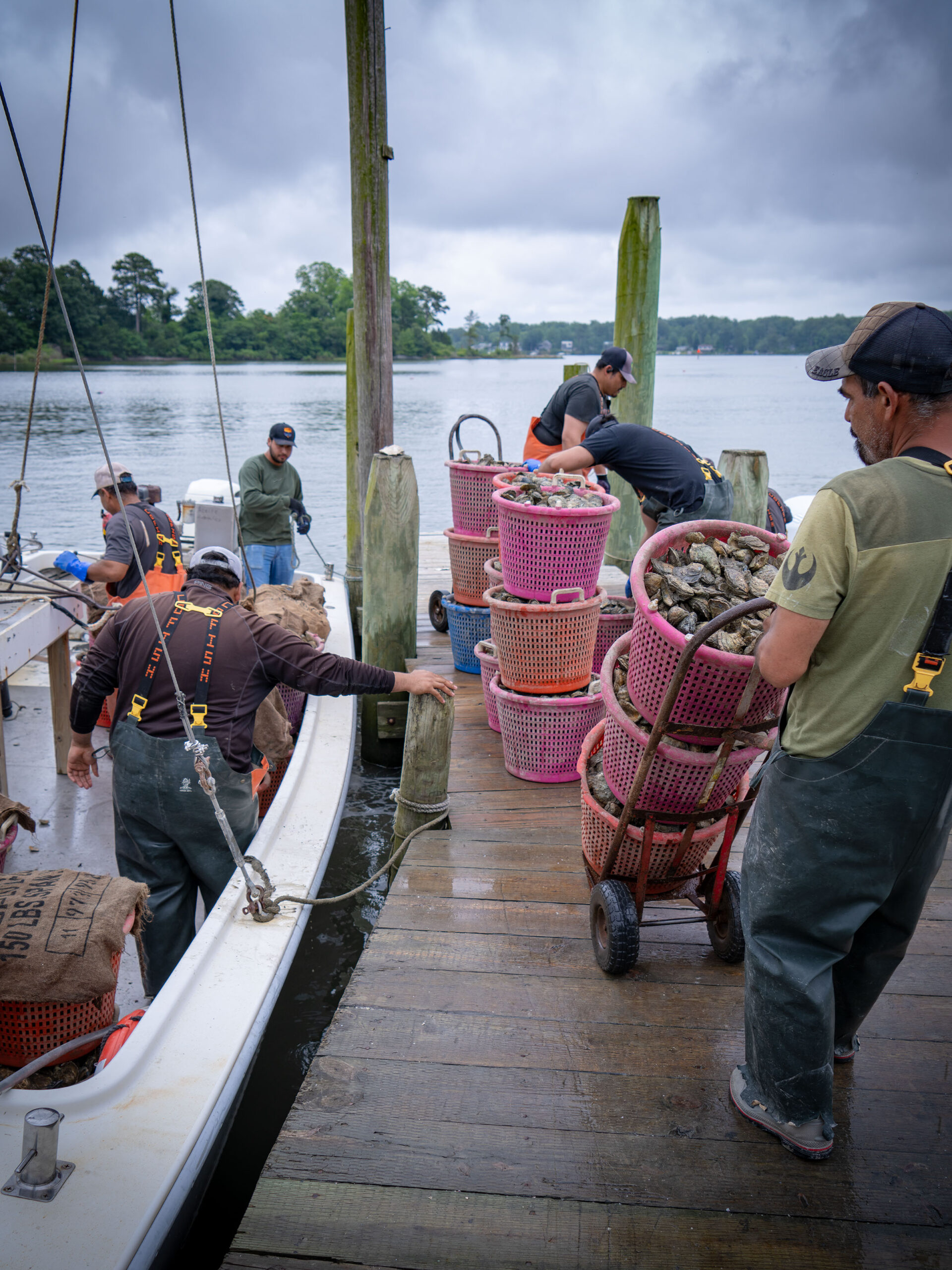
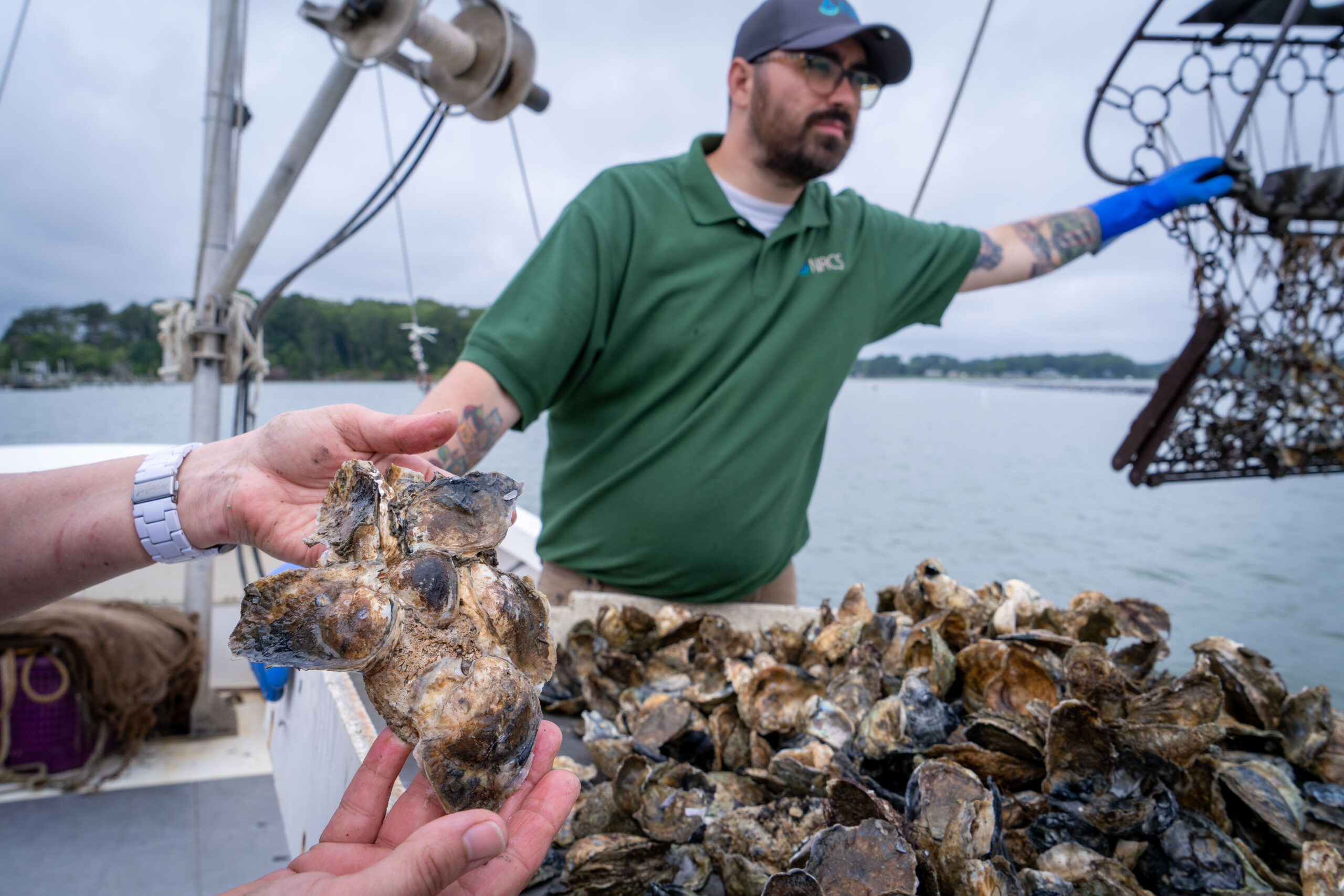
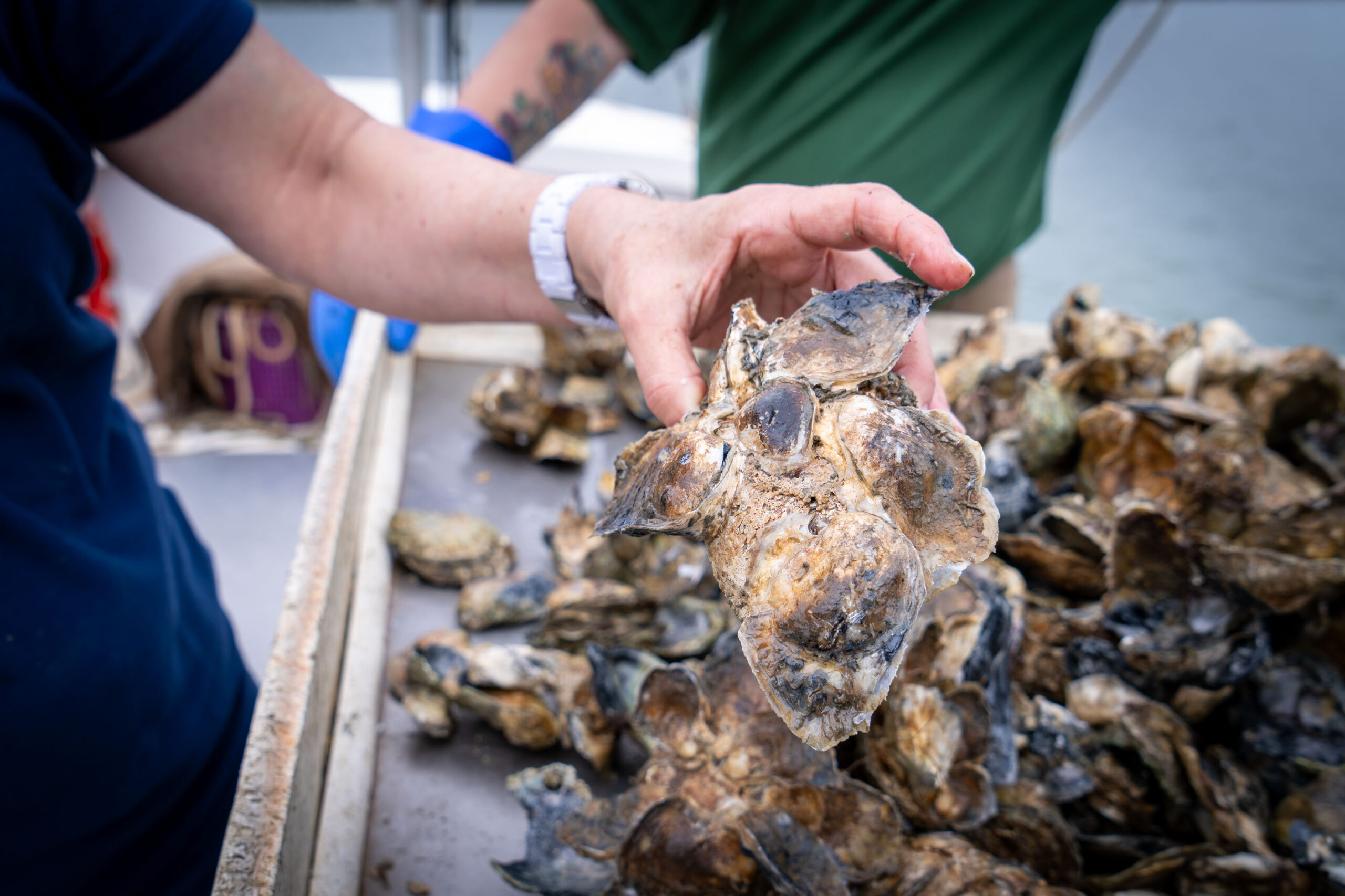
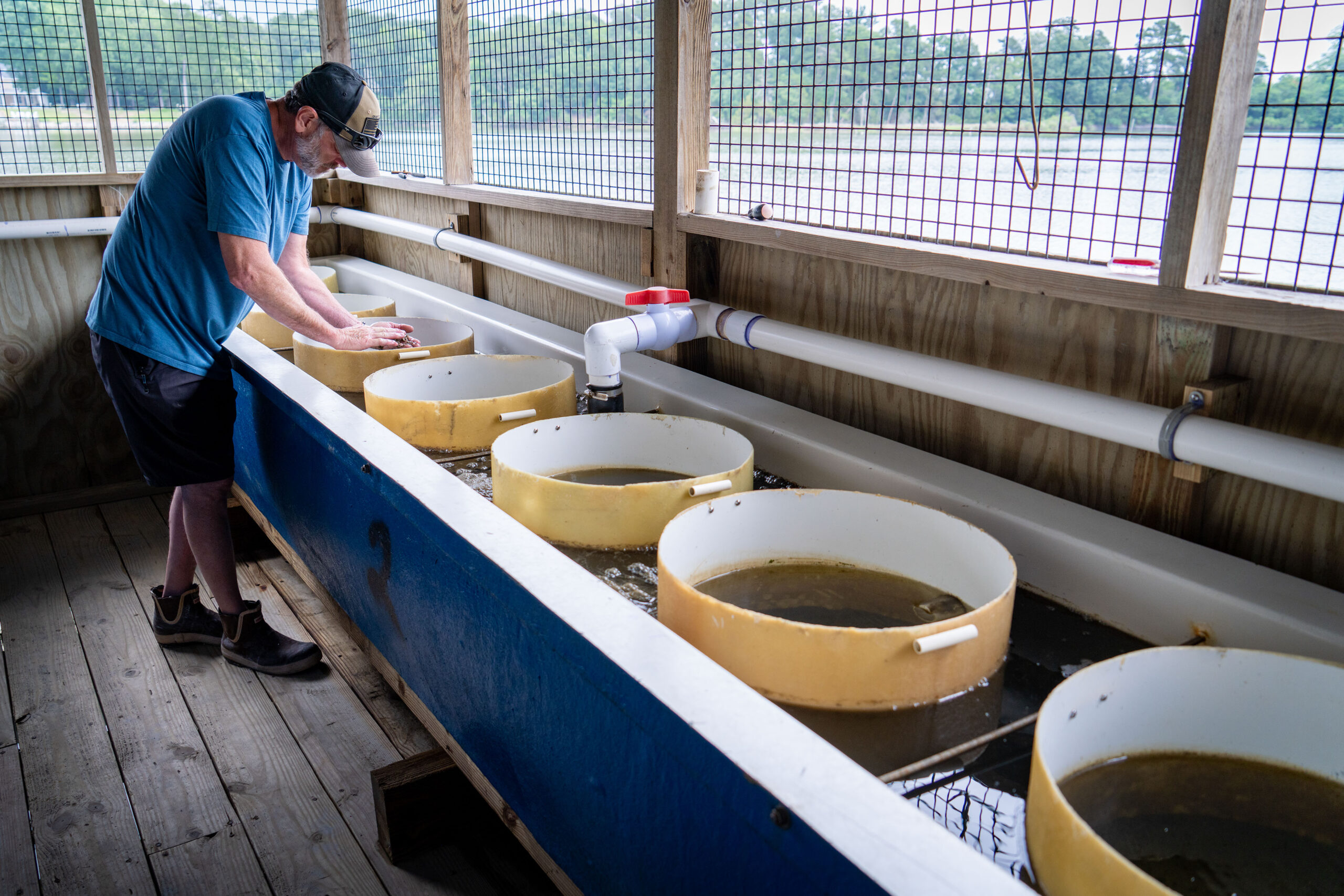
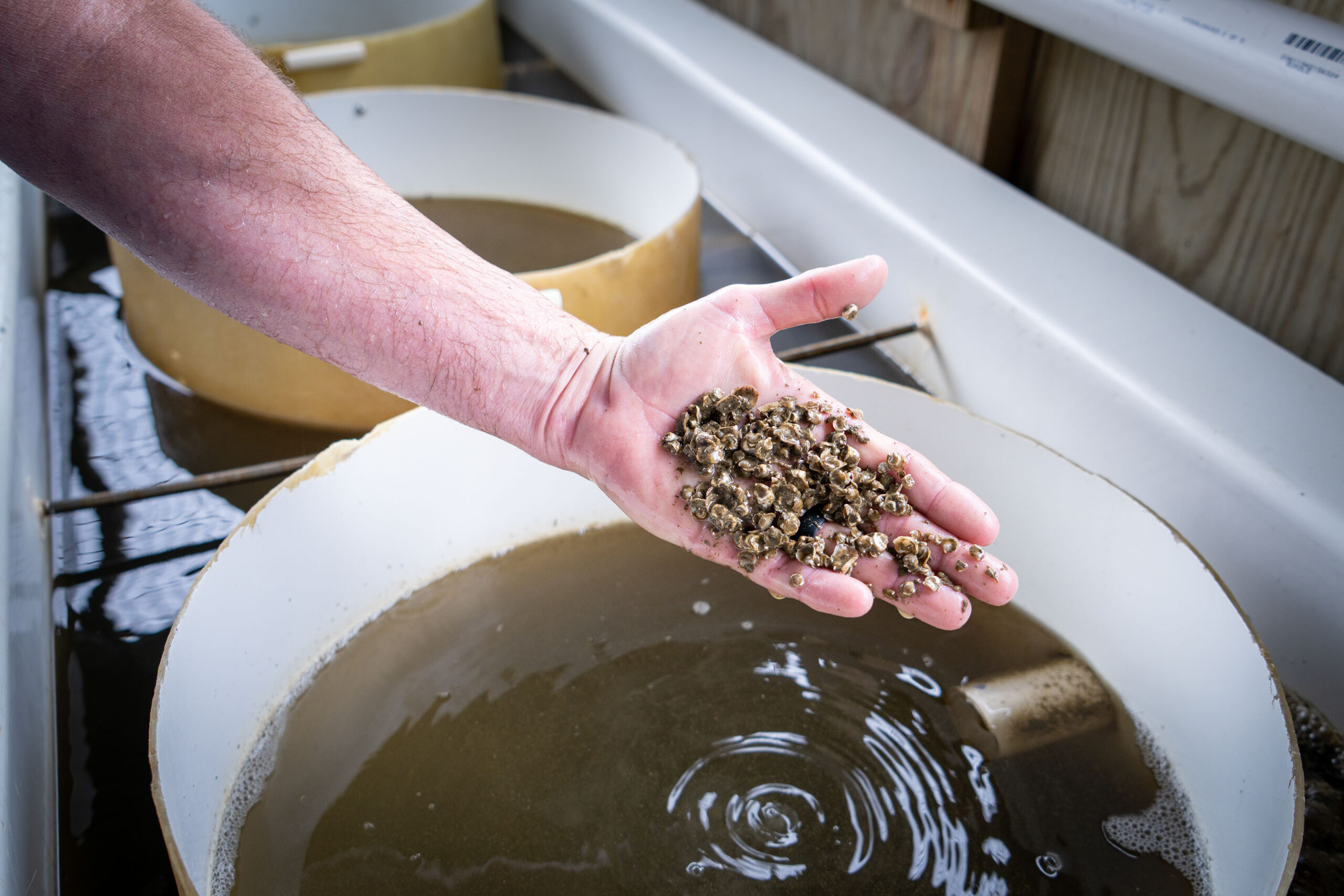
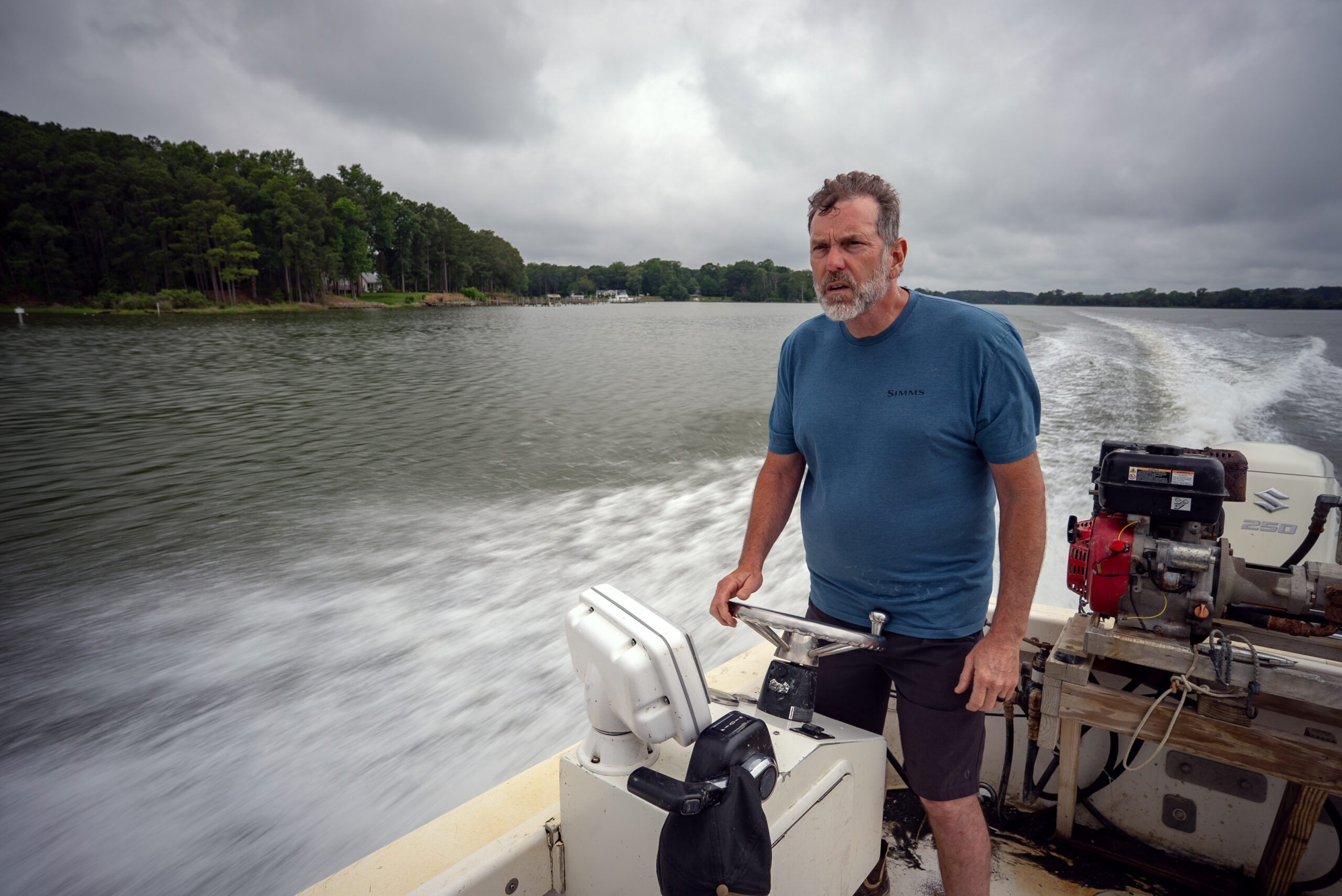
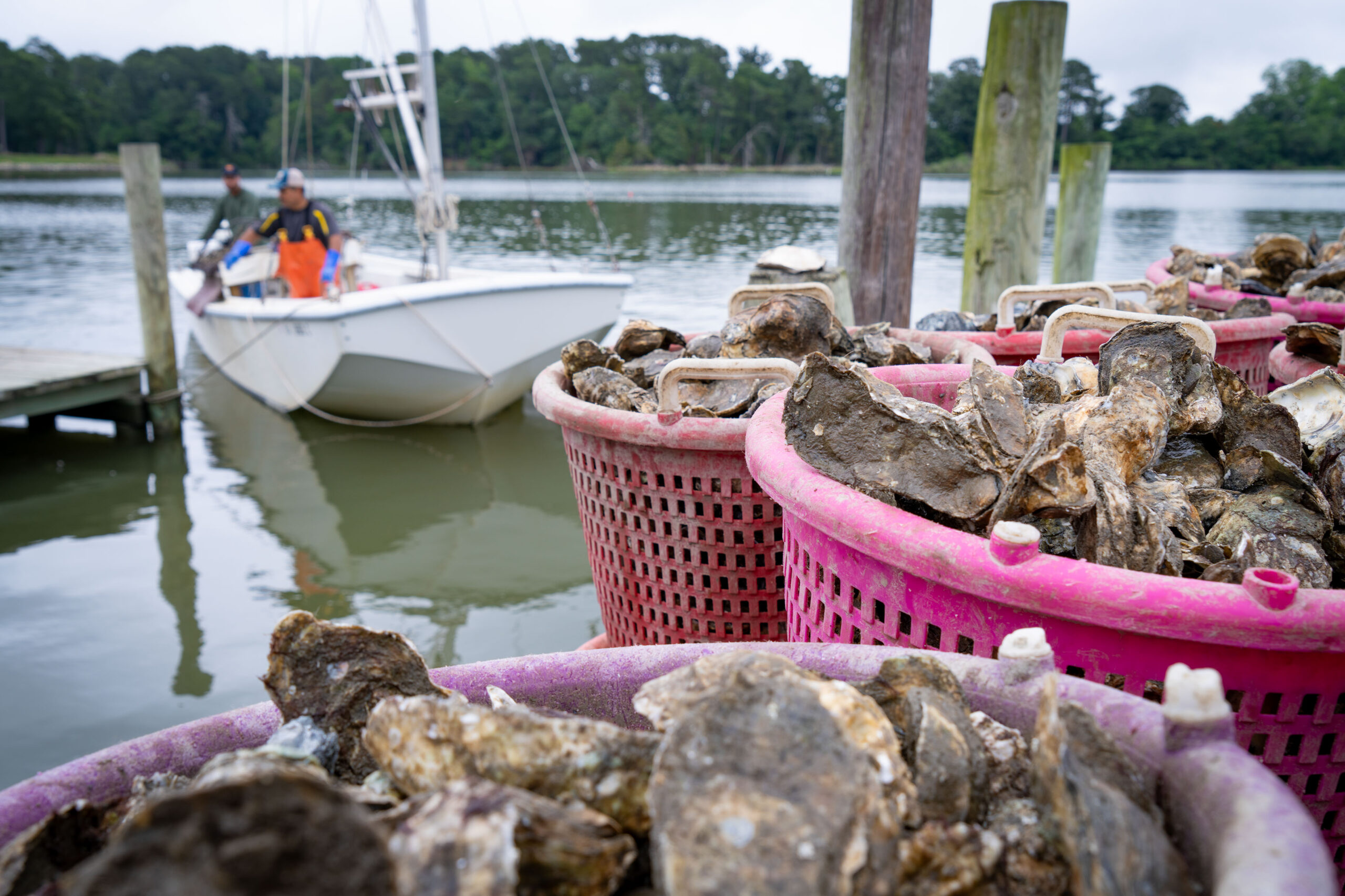
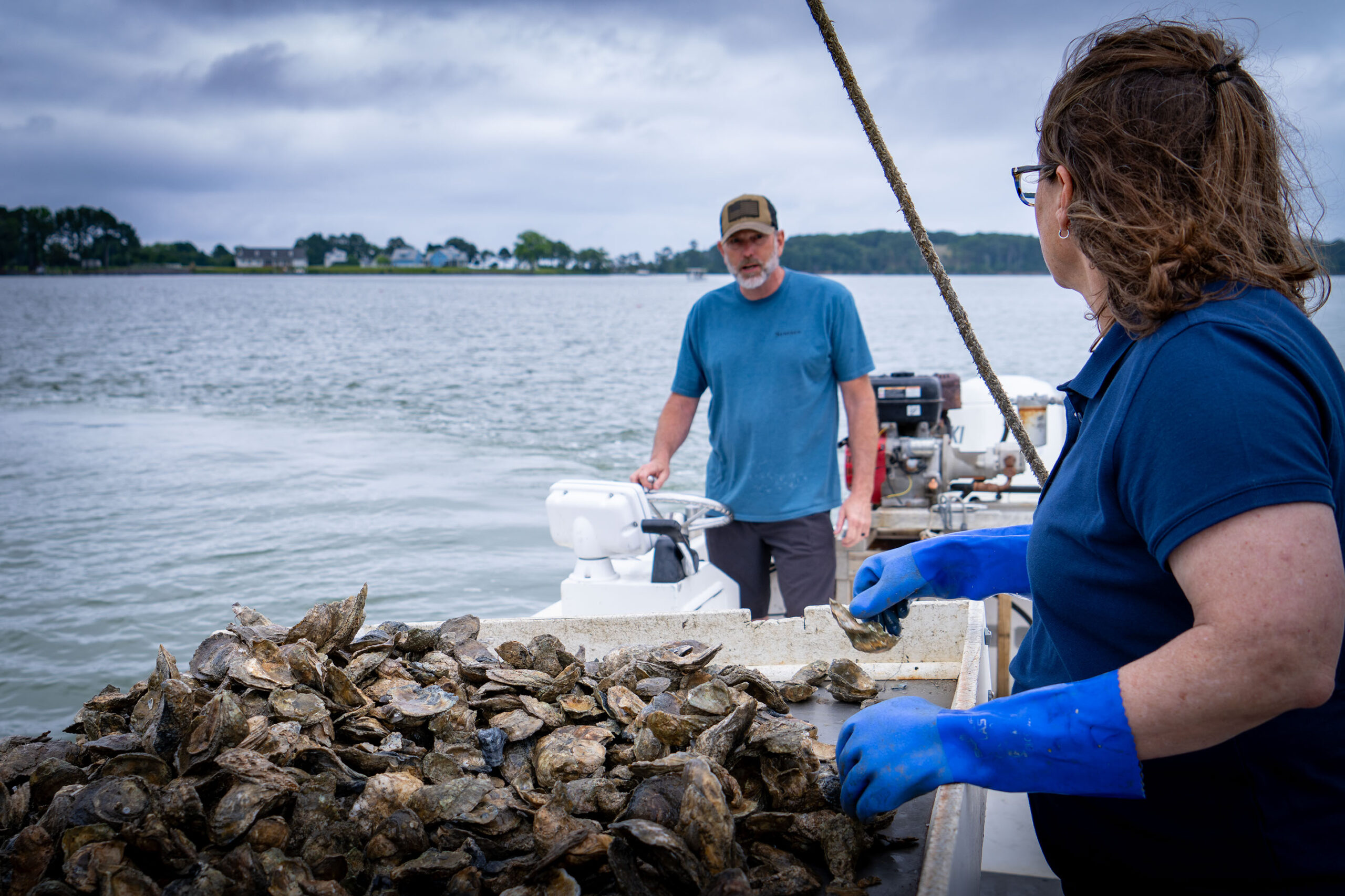
Oyster populations in Chesapeake Bay collapsed due to over-harvesting, disease, and pollution. Modern oyster aquaculture is rebuilding reefs, naturally filtering water, supporting biodiversity, and boosting local economies by creating sustainable jobs in harvesting, farming, and seafood industries.
Usually these masses of tiny trees are then burned, but in some cases the trees are 40-50 years old now. These older trees are typically scrappy and have no market, but some small rural mills will work with them, making smaller boards, fence posts, and occasionally short house logs.
Usually these masses of tiny trees are then burned, but in some cases the trees are 40-50 years old now. These older trees are typically scrappy and have no market, but some small rural mills will work with them, making smaller boards, fence posts, and occasionally short house logs.
Usually these masses of tiny trees are then burned, but in some cases the trees are 40-50 years old now. These older trees are typically scrappy and have no market, but some small rural mills will work with them, making smaller boards, fence posts, and occasionally short house logs.
Usually these masses of tiny trees are then burned, but in some cases the trees are 40-50 years old now. These older trees are typically scrappy and have no market, but some small rural mills will work with them, making smaller boards, fence posts, and occasionally short house logs.